Introduction
A focused CDL program is designed to move candidates from foundational knowledge to on-road competence through classroom study, controlled-range practice, and staged road driving. The pathway transforms baseline driving experience into a documented set of commercial driving skills that meet employer expectations and state testing standards. Candidates should expect an integrated curriculum with eligibility checks, medical clearance steps, and assessment points to measure readiness.
Relatedsearches
Program Snapshot
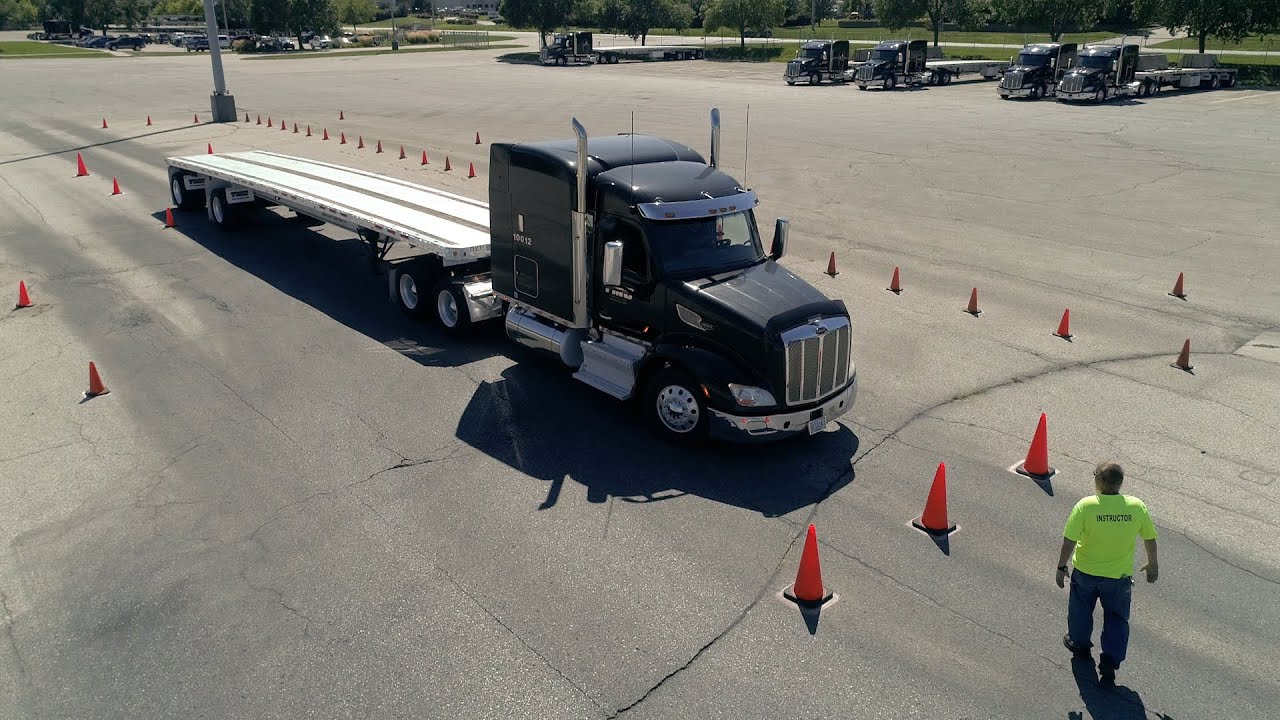
This model divides training into progressive phases so competencies build from rules and inspections to supervised operation. Classroom modules cover legal and planning foundations; range sessions develop vehicle handling and coupling skills; on-road mentoring applies those skills under instructor oversight. Assessment checkpoints and mock skills tests target additional practice needs and document required competencies.
Relatedsearches
Core Learning Objectives
- Safe vehicle operation: Proficiency in backing, turning, coupling, braking, and lane management.
- Regulatory compliance: Accurate use of logs/ELDs and understanding of hours-of-service requirements.
- Inspection routines: Reliable pre- and post-trip inspection procedures to identify common defects.
- Cargo handling: Practical knowledge of securement methods and weight distribution basics.
- Test readiness: Preparedness for state CDL knowledge exam and skills (road) test.
Typical Eligibility & Entry Requirements
- Age & license: Often age 21+ for interstate operations; valid state driver’s license required.
- Medical clearance: DOT medical certificate (physical) typically required before road training.
- Background screening: Driving history review and employer screening processes are common.
- Documentation: Identification, licensing, and medical documentation must be ready for program start.
How to Evaluate a Program
When comparing local or carrier-aligned programs, consider these practical criteria:
- Balance of classroom, range, and on-road hours — Confirm the schedule allotment for hands-on driving versus classroom time.
- State test support — Check whether the program schedules or assists with knowledge and skills testing logistics.
- Post-licensing mentorship — Look for staged supervision or mentor runs that ease the transition to independent driving.
- Equipment and facilities — Verify access to training trucks, a dedicated range area, and maintenance/inspection instruction.
- Clear requirements and timelines — Ensure eligibility criteria, expected timelines, and documentation steps are spelled out.
Typical Daily Training Components
- Classroom blocks: Regulatory topics, trip planning, cargo securement theory.
- Range sessions: Controlled practice for vehicle handling, backing, and coupling.
- On-road mentoring: Supervised driving with incremental increases in route complexity and length.
- Evaluation checkpoints: Periodic assessments to identify focus areas for additional practice.
Example Program Providers
- Sandhills Community College — example course outline and CDL curriculum.
- Wilson Logistics — career path and CDL training overview.
- JRayl — apprenticeship and training information.
- CDL-CDA — course listings and program options.
(These are provided as illustrative examples. Program specifics, schedules, and local availability vary.)
Next Steps for Interested Candidates
- Review program pages and training calendars for nearby providers.
- Confirm eligibility requirements and prepare necessary documents (license, medical certificate).
- Contact chosen training providers to confirm scheduling, testing support, and staged driving arrangements.
References
- https://img.enjoy4fun.com/news_icon/d23jvh7cc2qs72vid2l0.jpg
- https://altline.sobanco.com/truck-driver-shortage/
- https://northamerica.visionmagazine.com/the-economic-factors-fueling-the-trucker-shortage/
- https://www.ttnews.com/articles/ata-says-truck-driver-shortage-course-double-decade
- https://www.truckingdive.com/news/truck-driver-shortage-2023-ata-conference-costello/696710/
- https://www.indeed.com/career/tractor-trailer-truck-driver/salaries%EF%BB%BF
- https://wilsonlogistics.com/drivers/driver-career-paths/cdl-training-program/
- https://cdl-cda.com/courses-and-program/?
- https://jrayl.com/Apprenticeship?
- https://www.sandhills.edu/programs/transportation/cdl.html