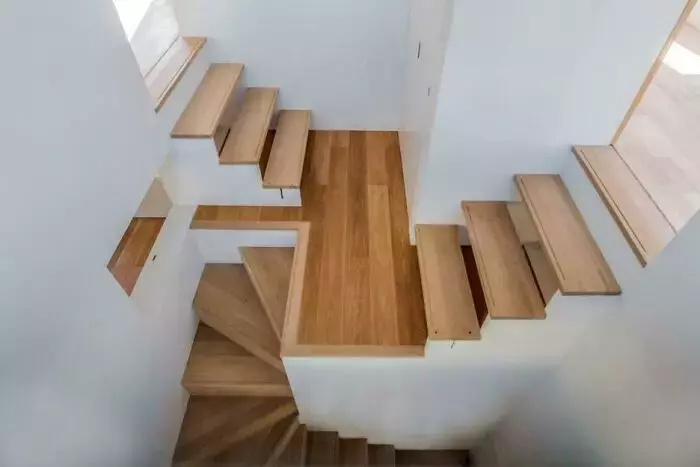
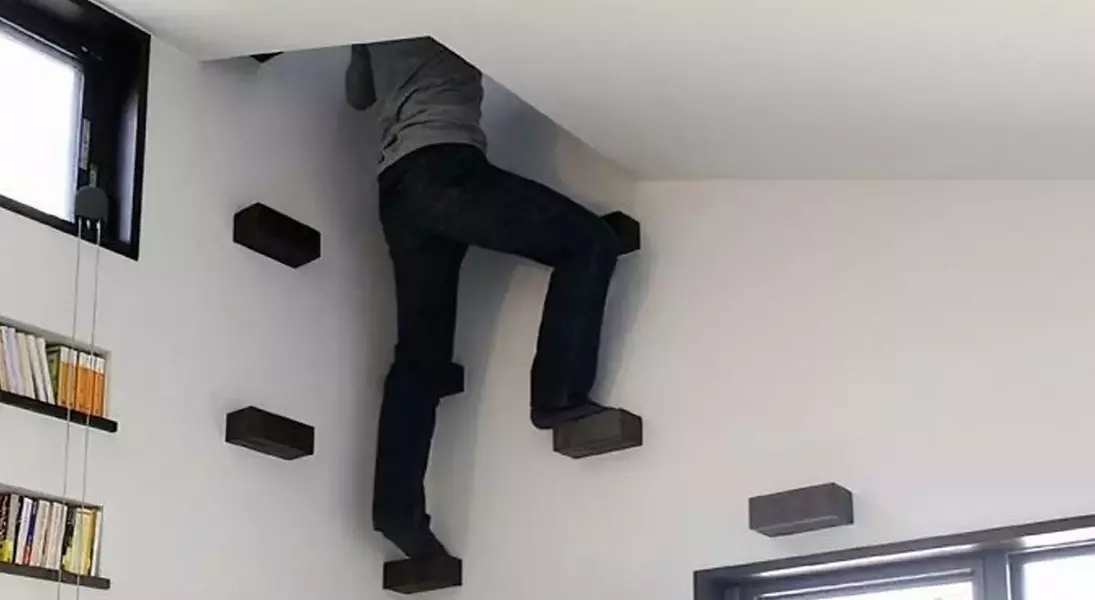
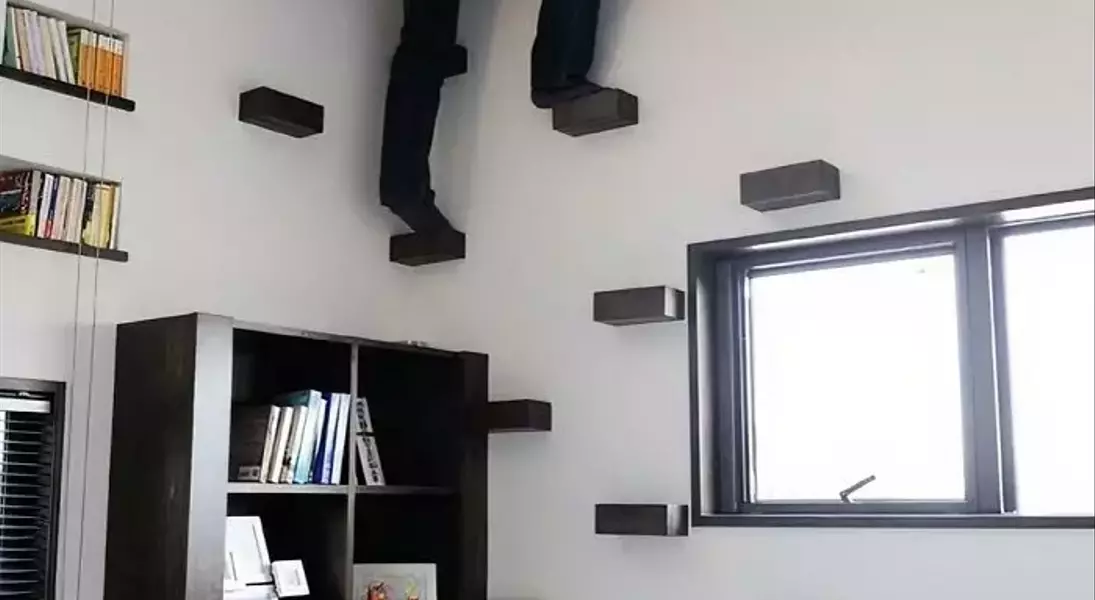


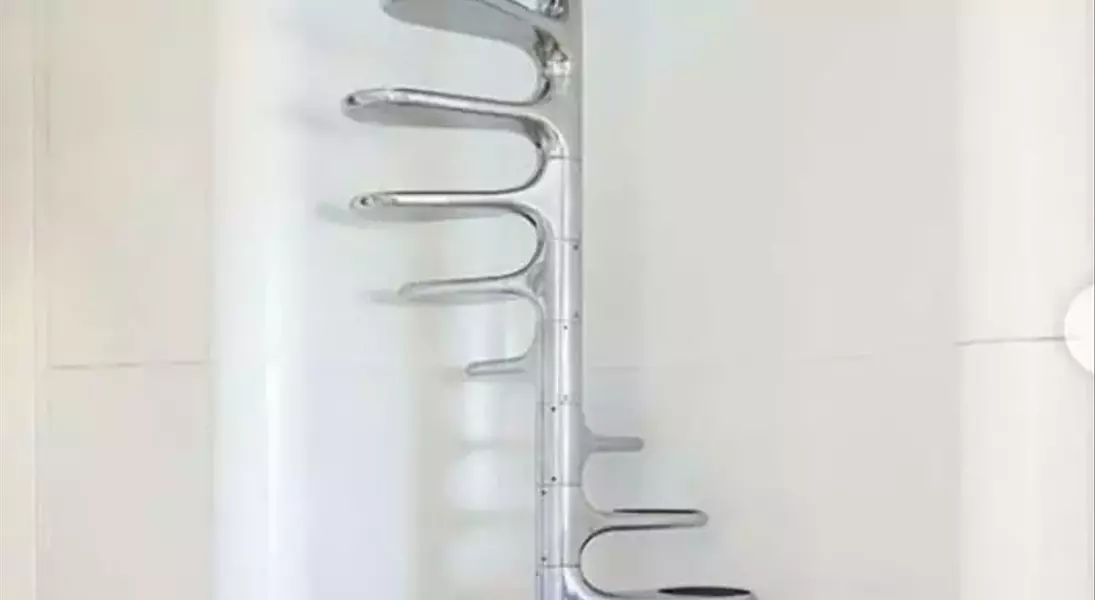
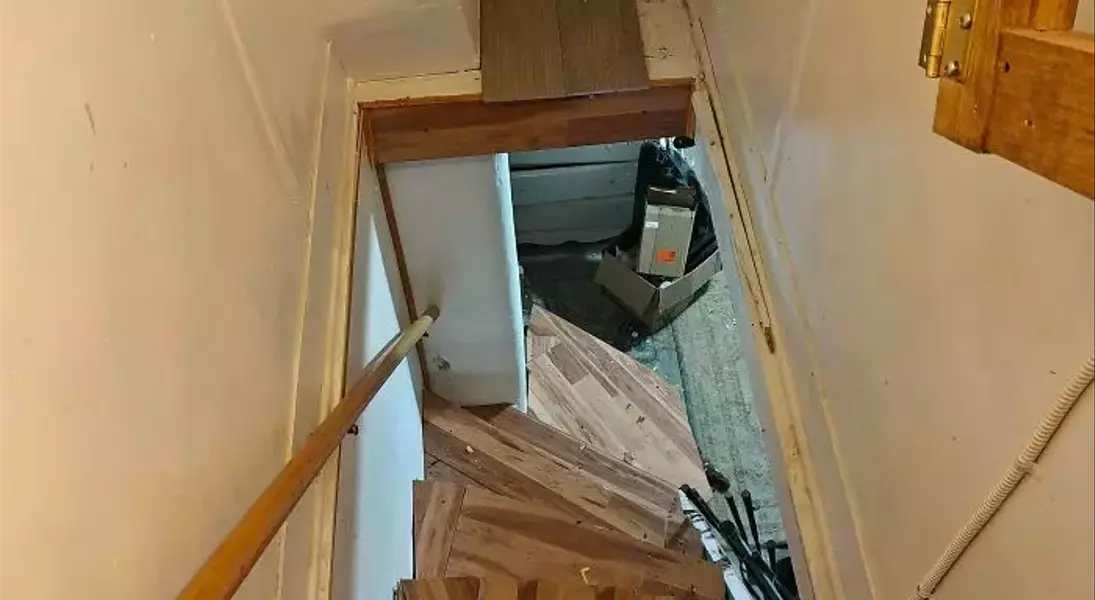

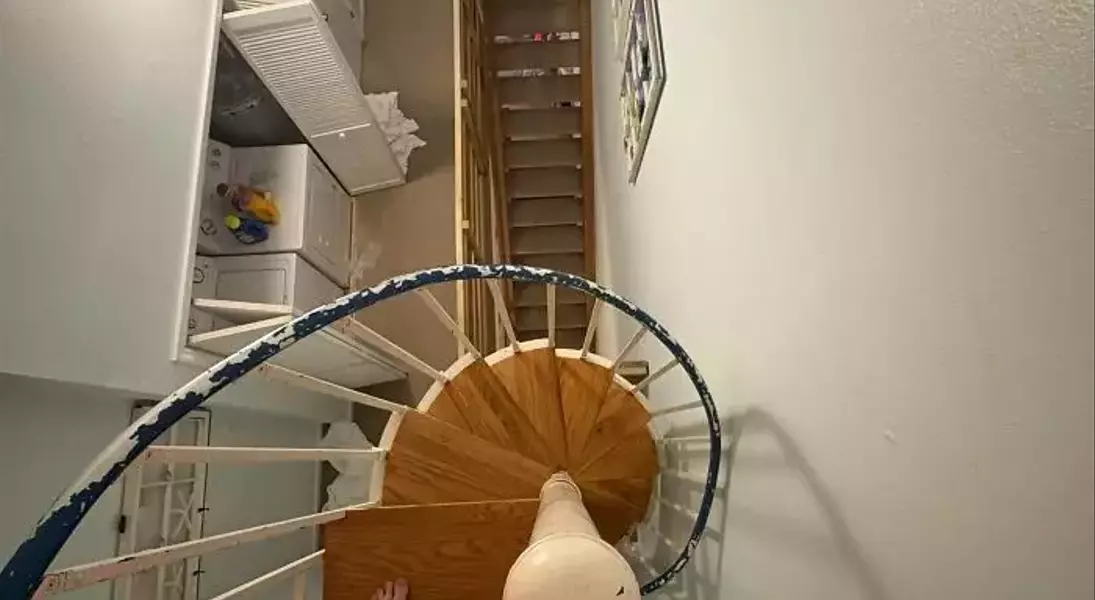
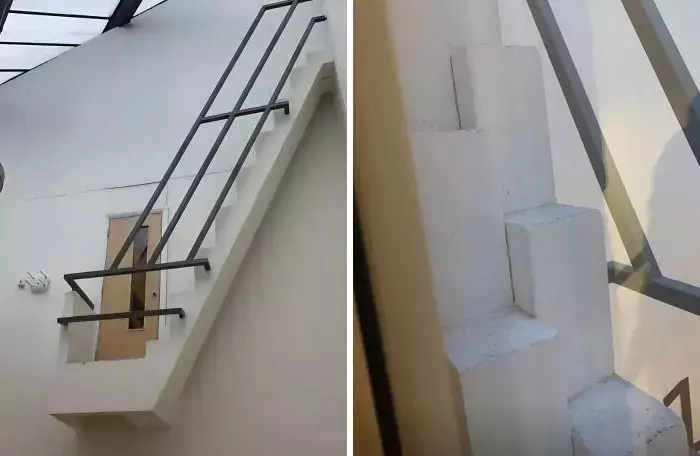
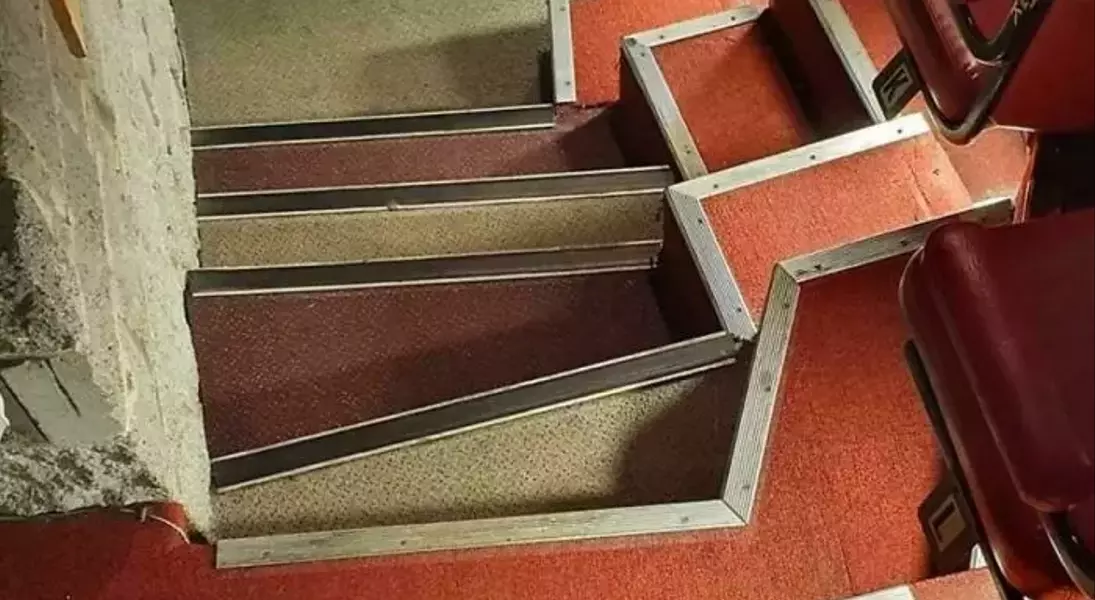


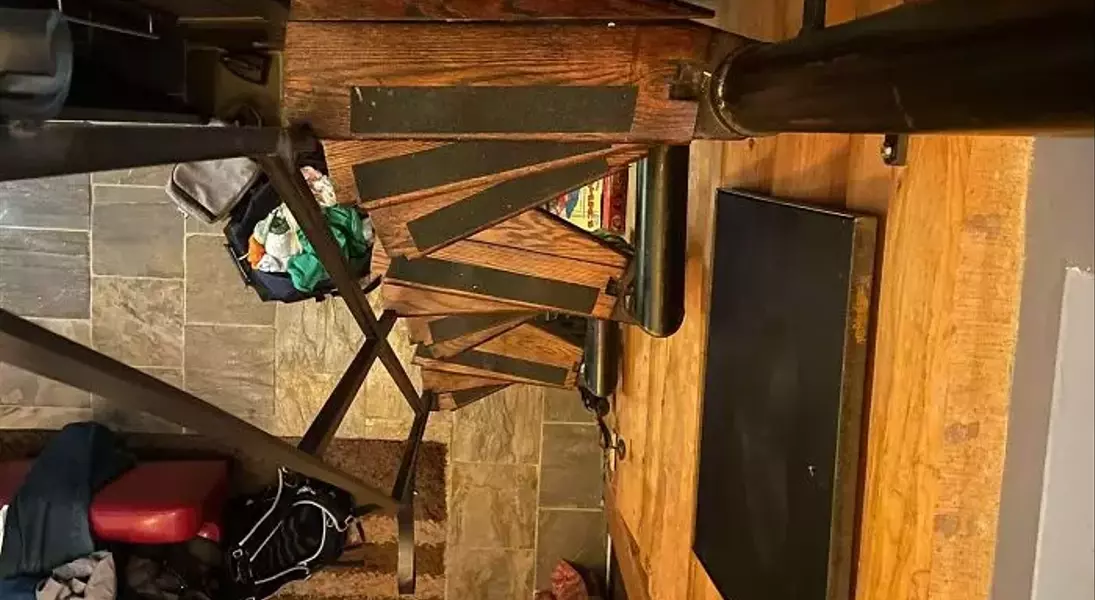
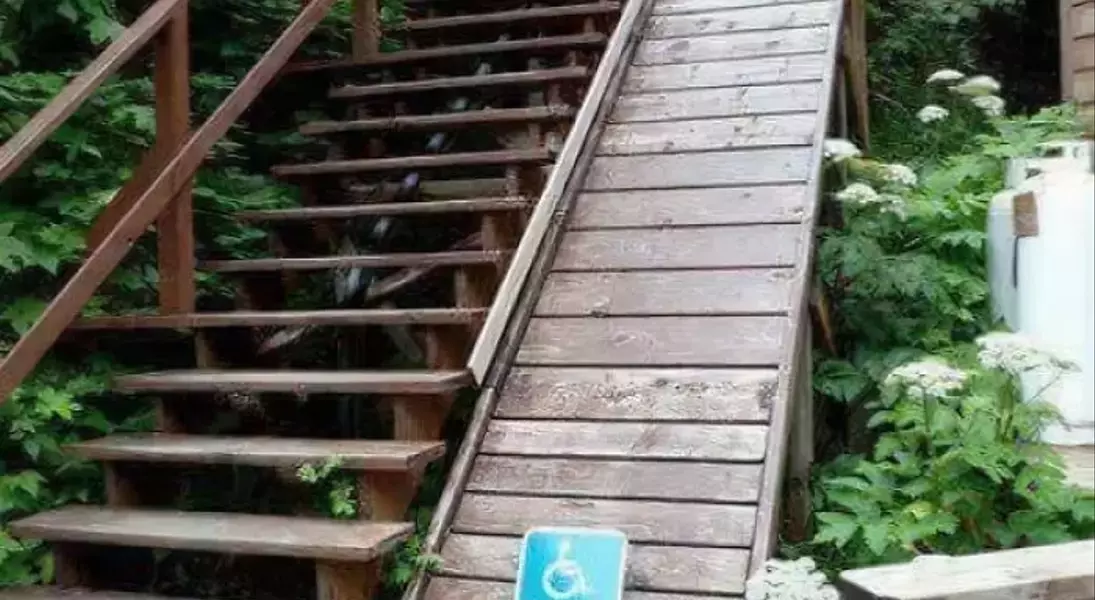
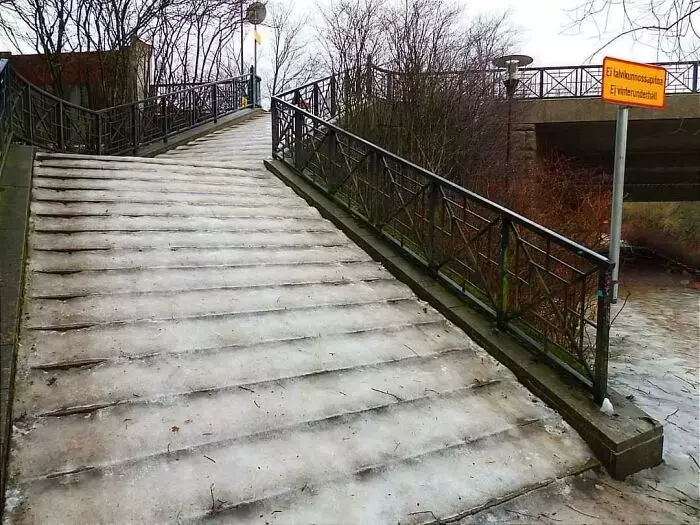
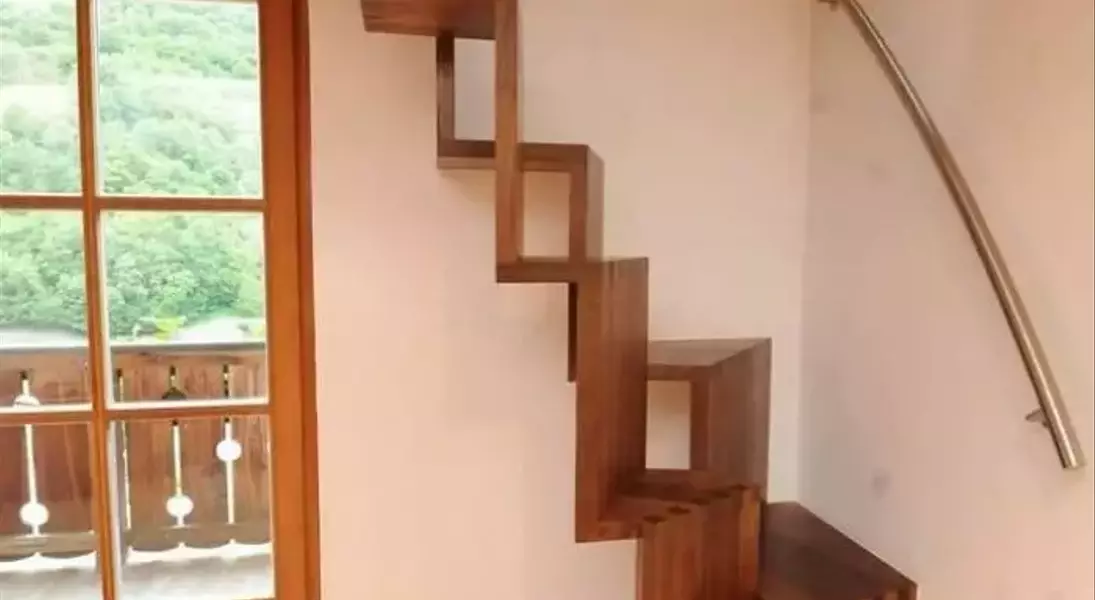
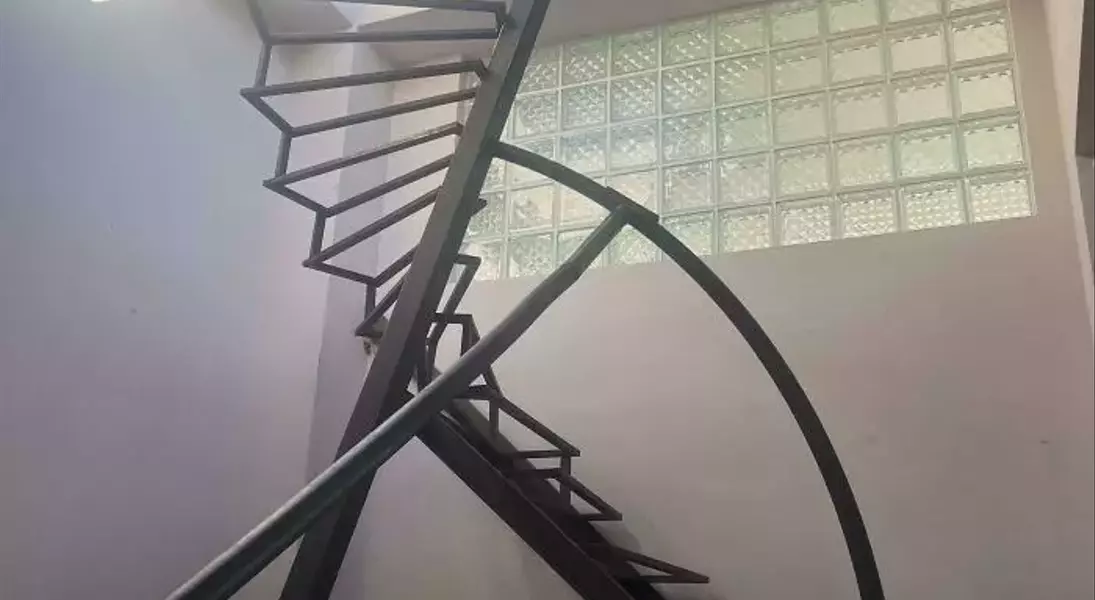

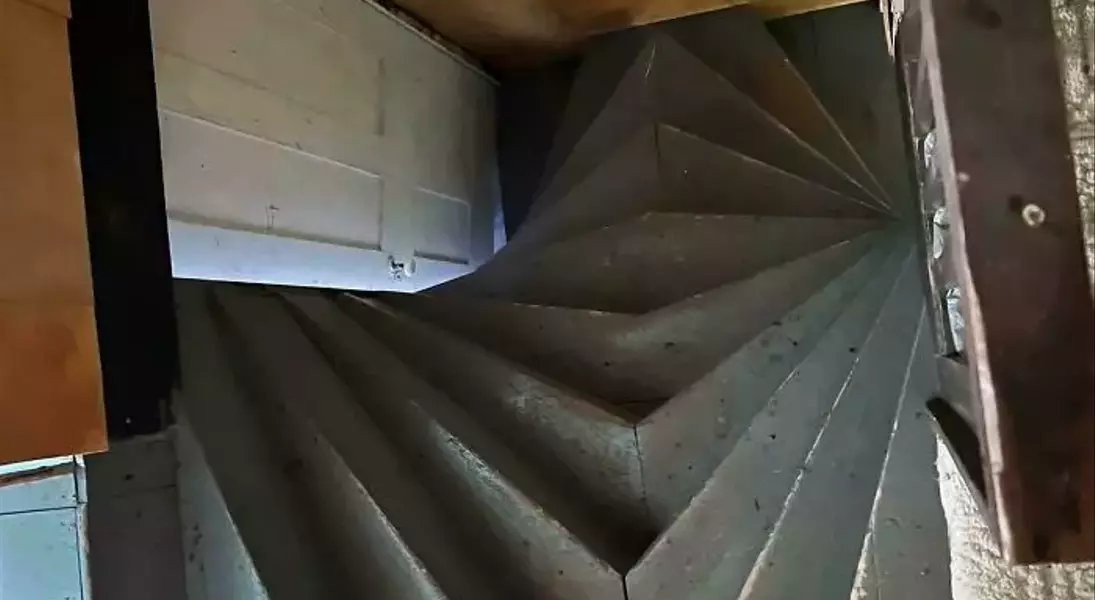



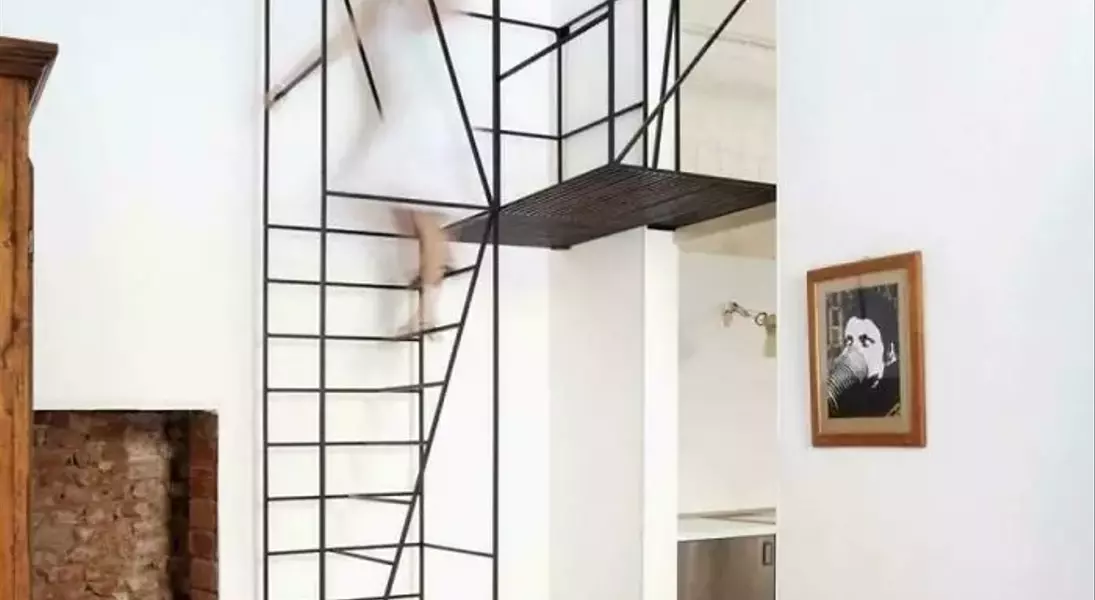

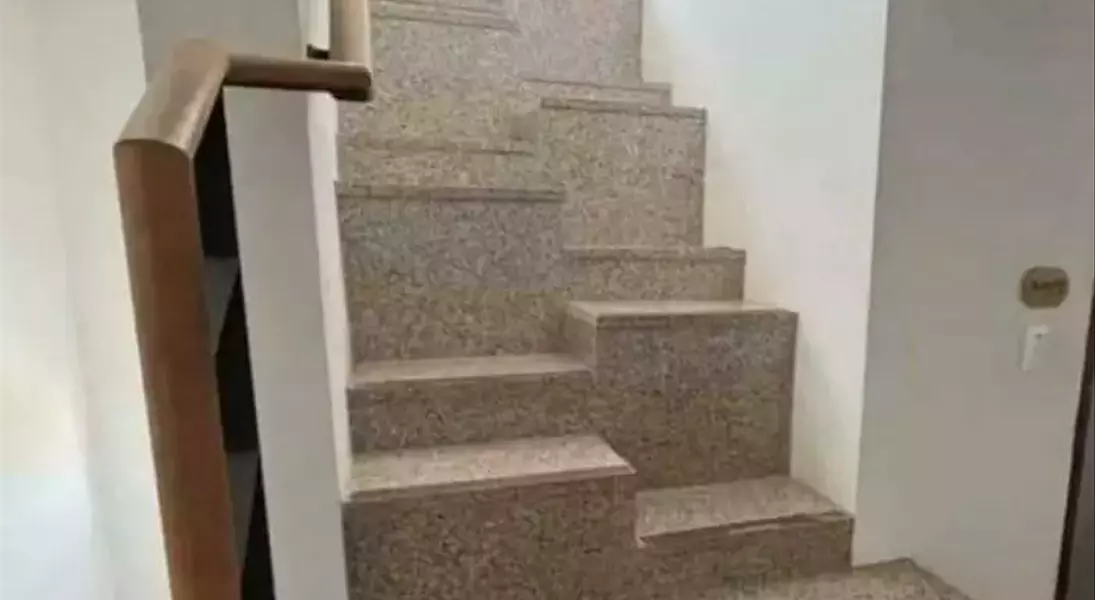
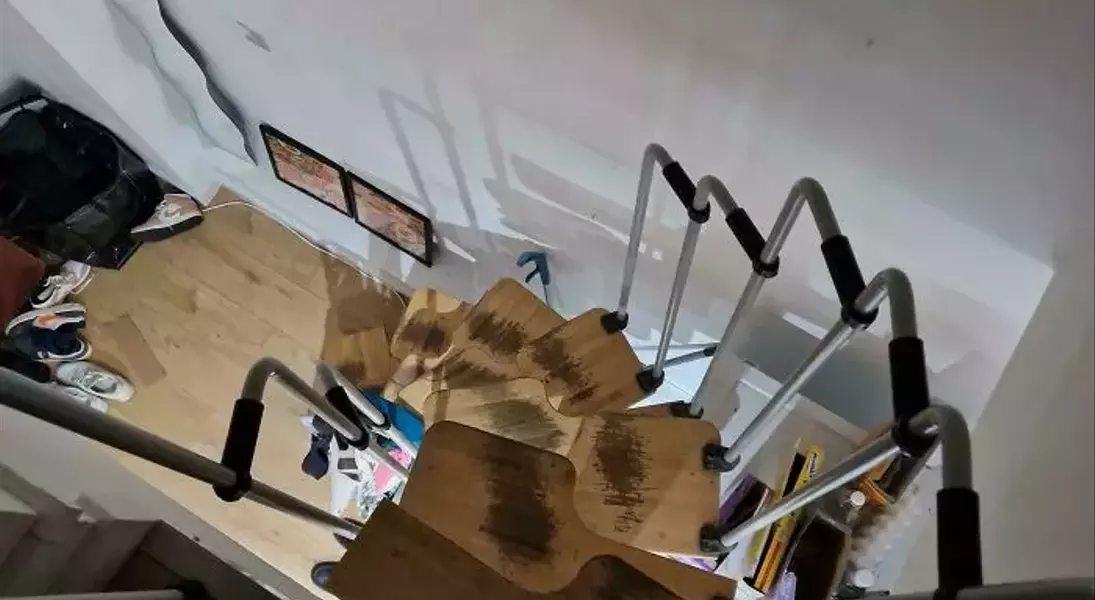


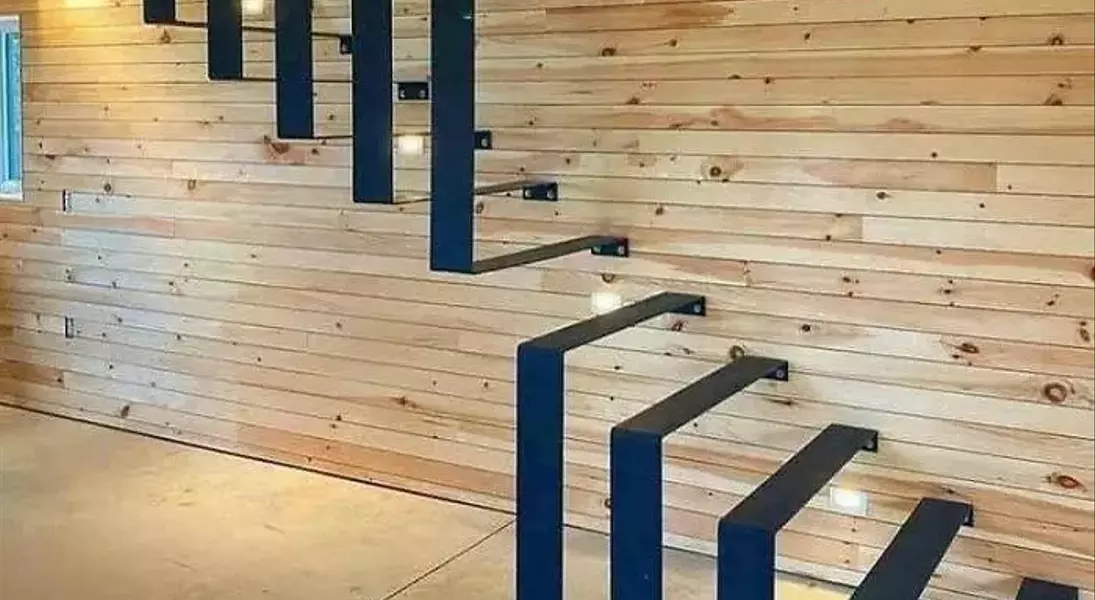
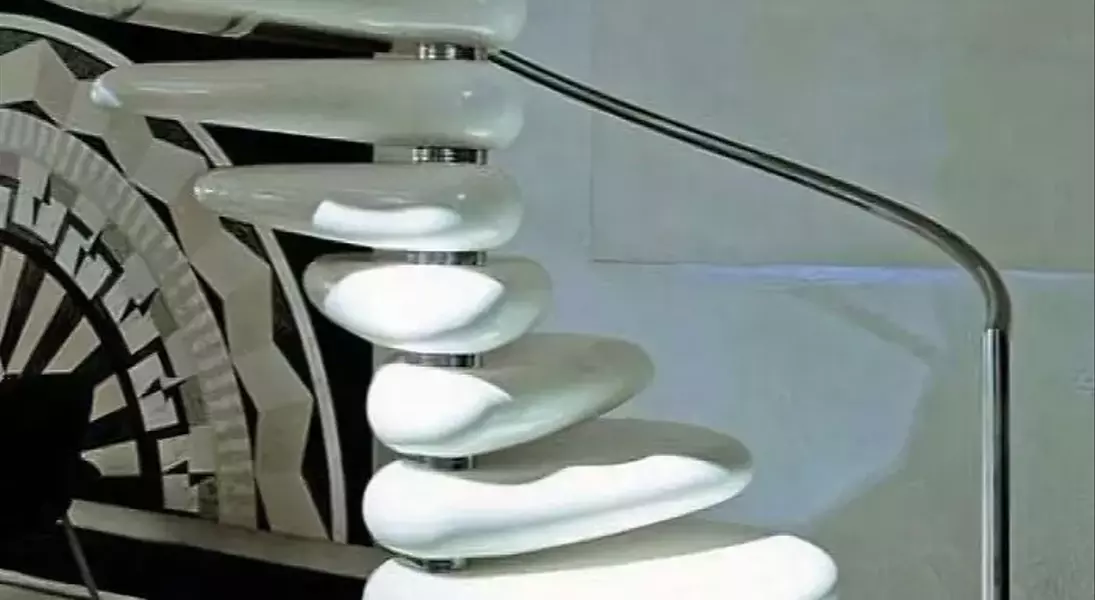

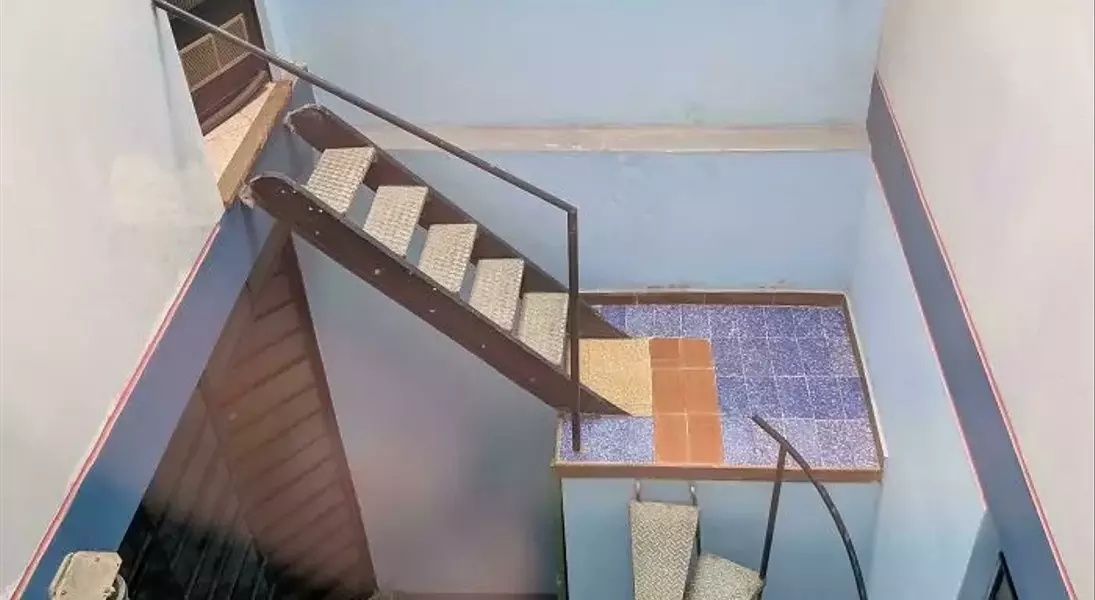


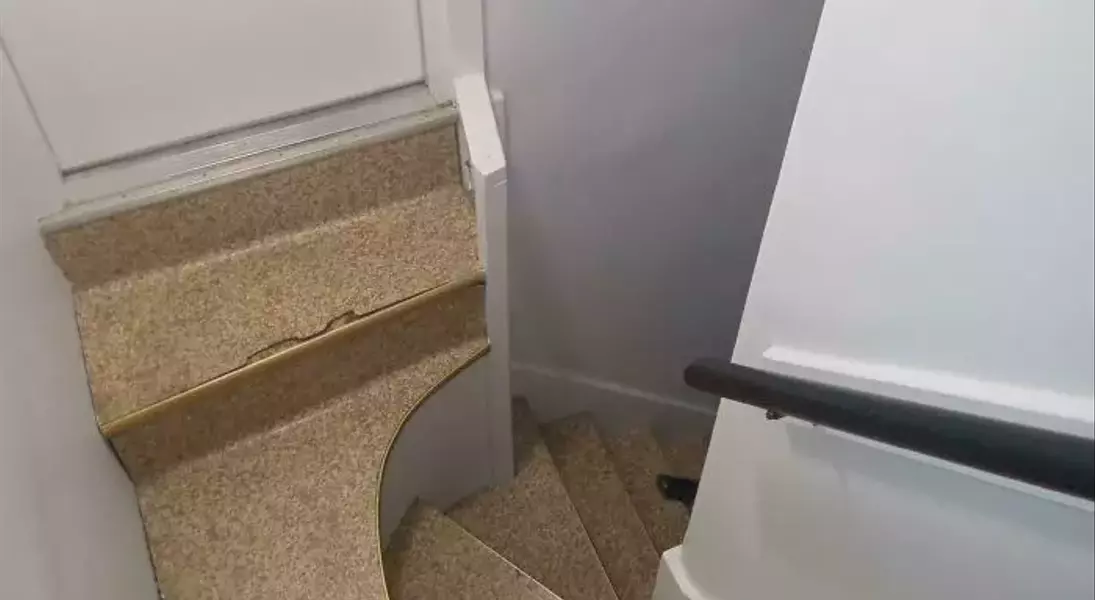
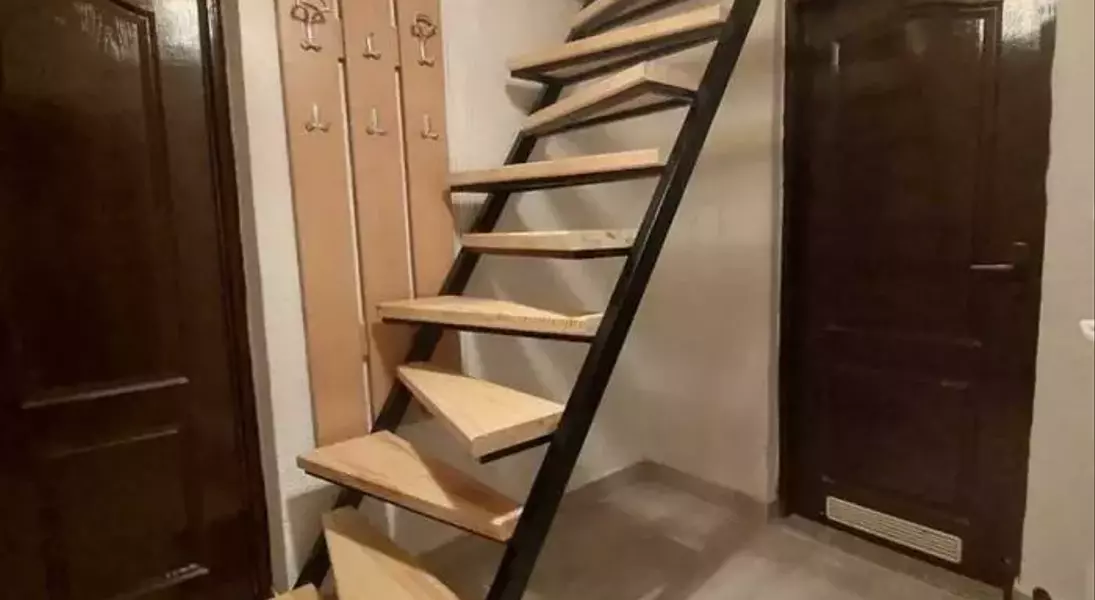
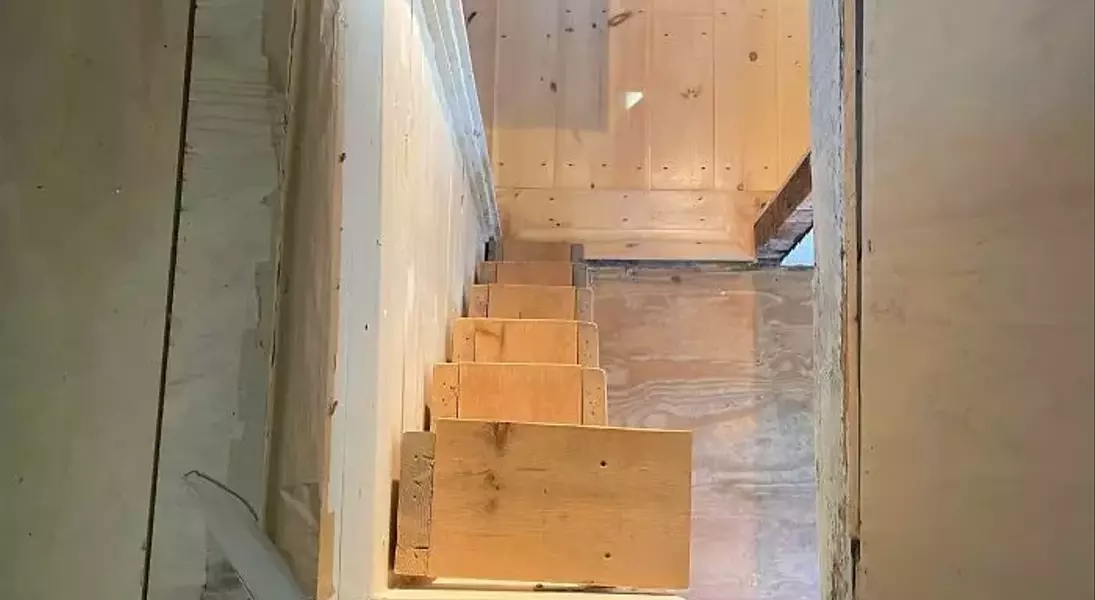
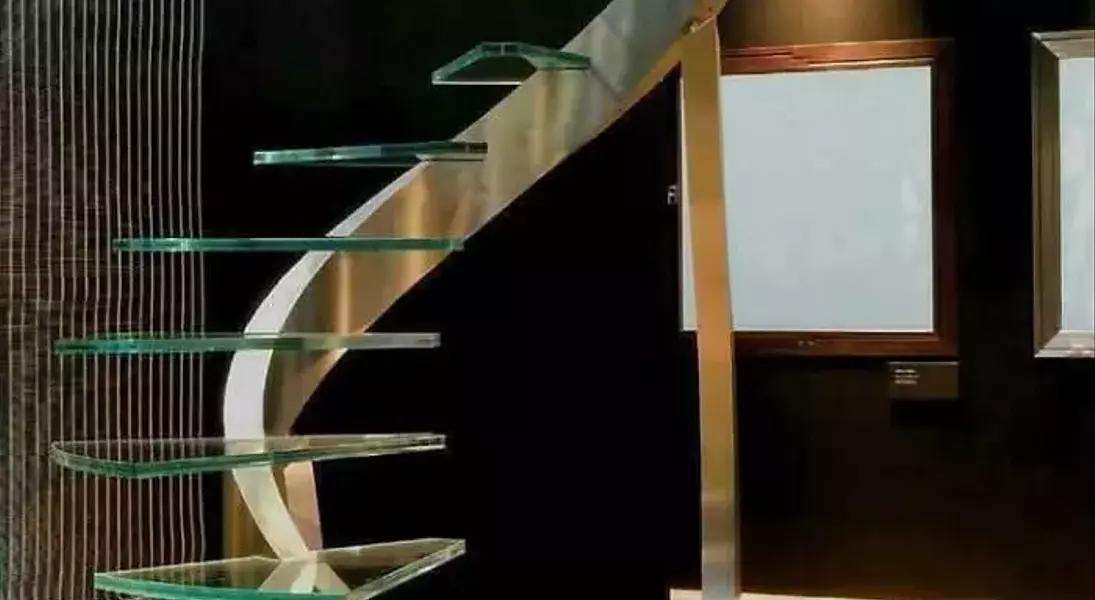




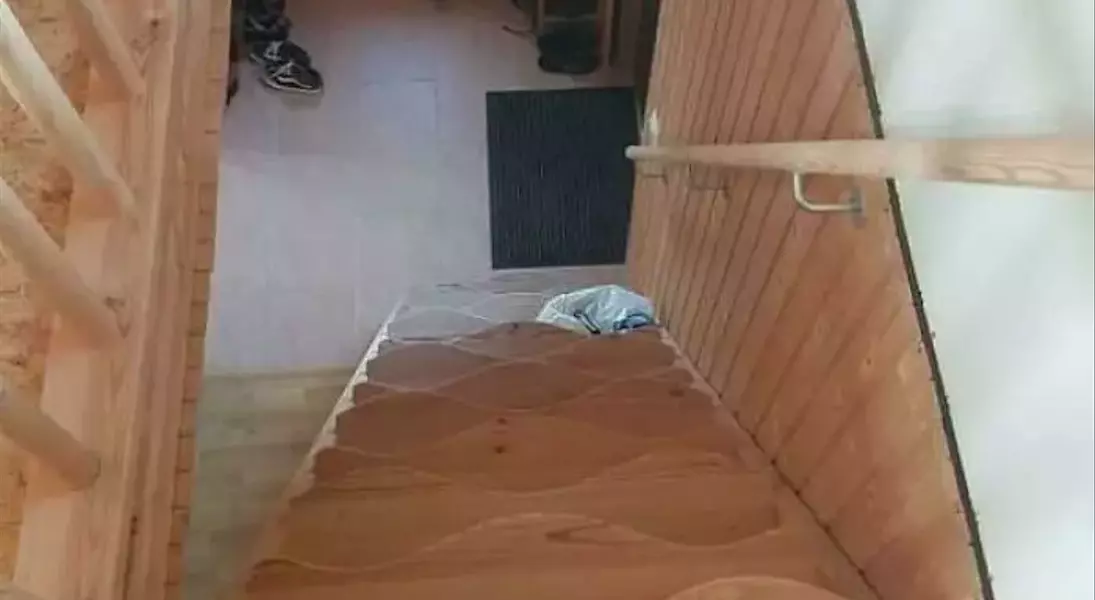
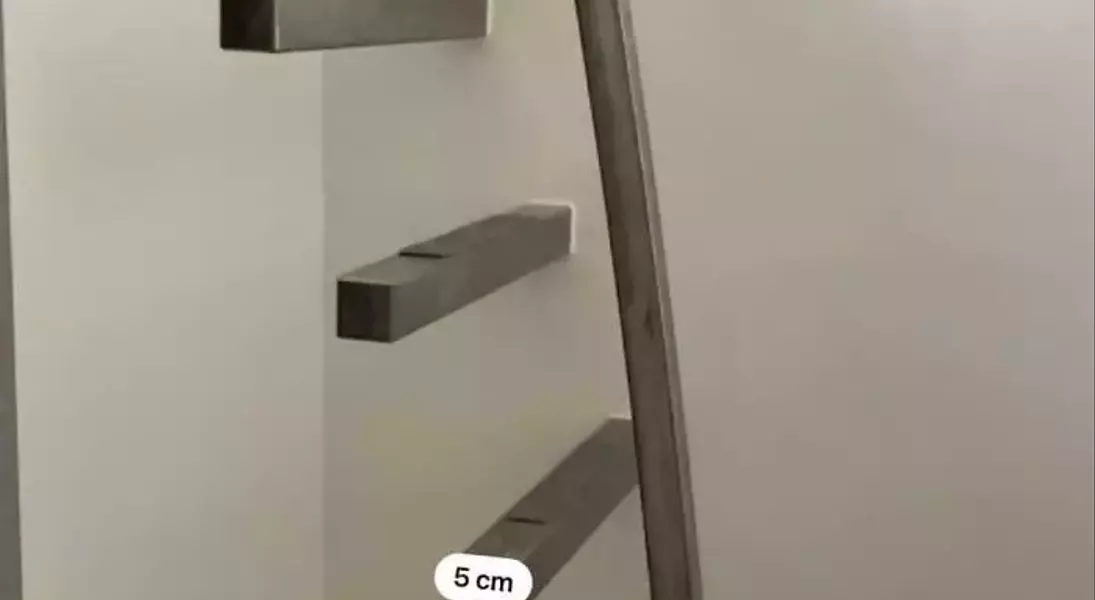
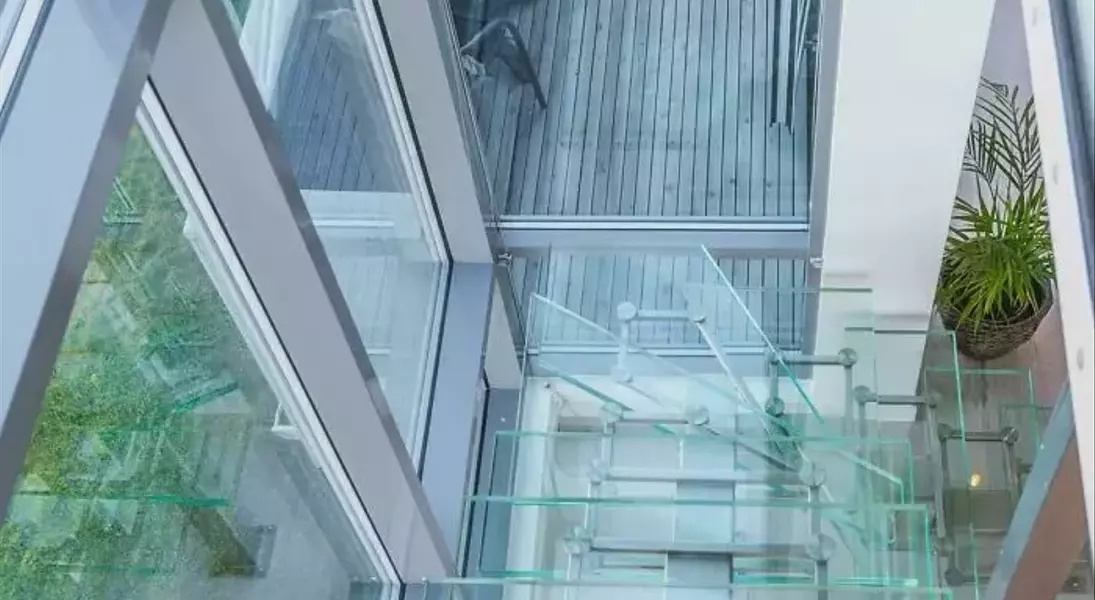
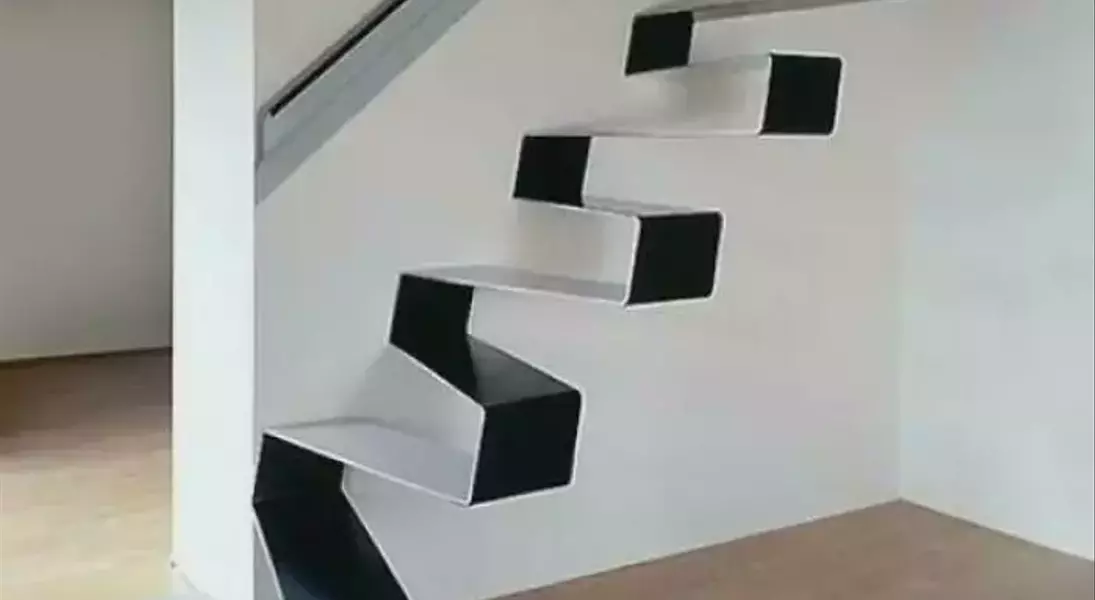

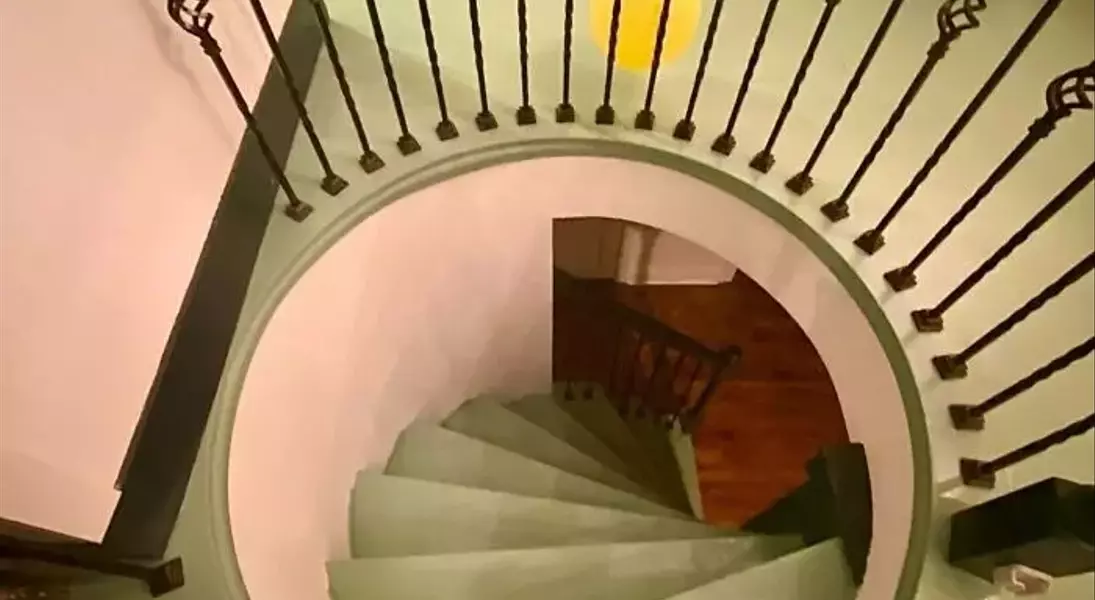

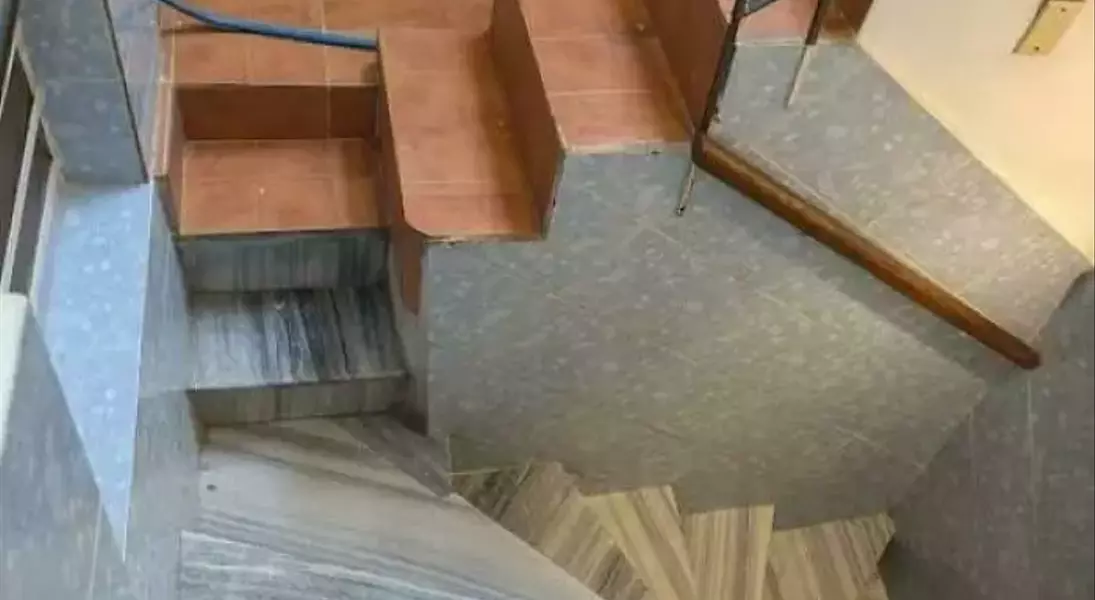
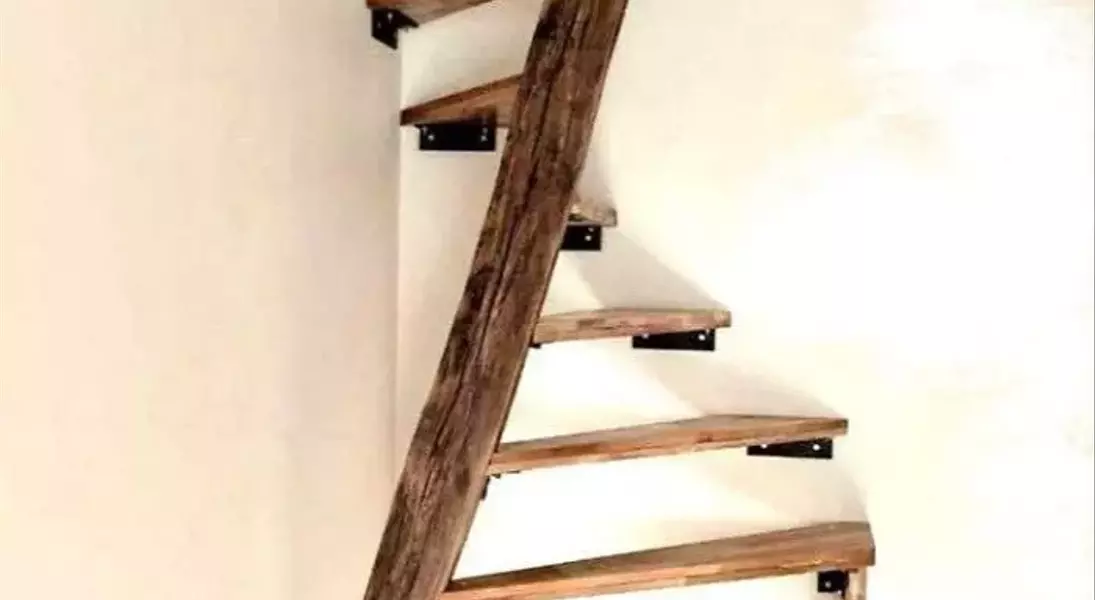
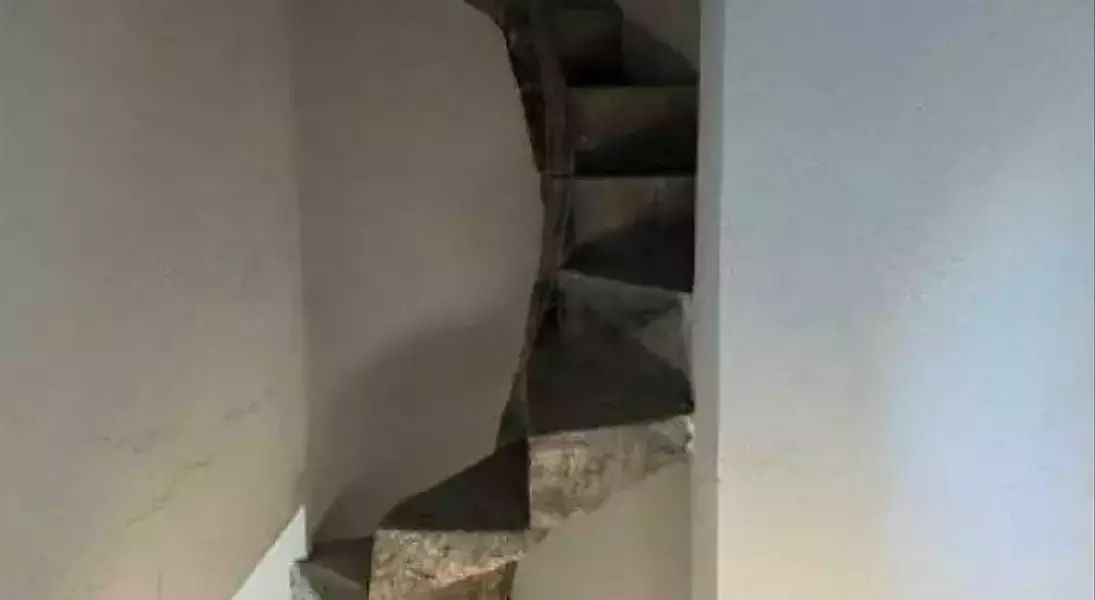

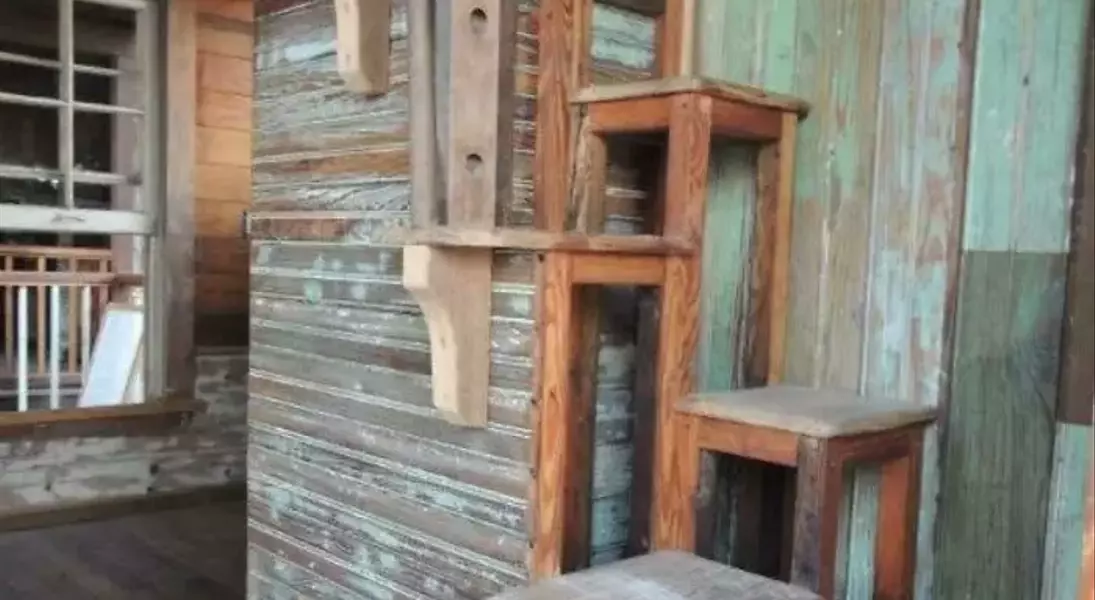

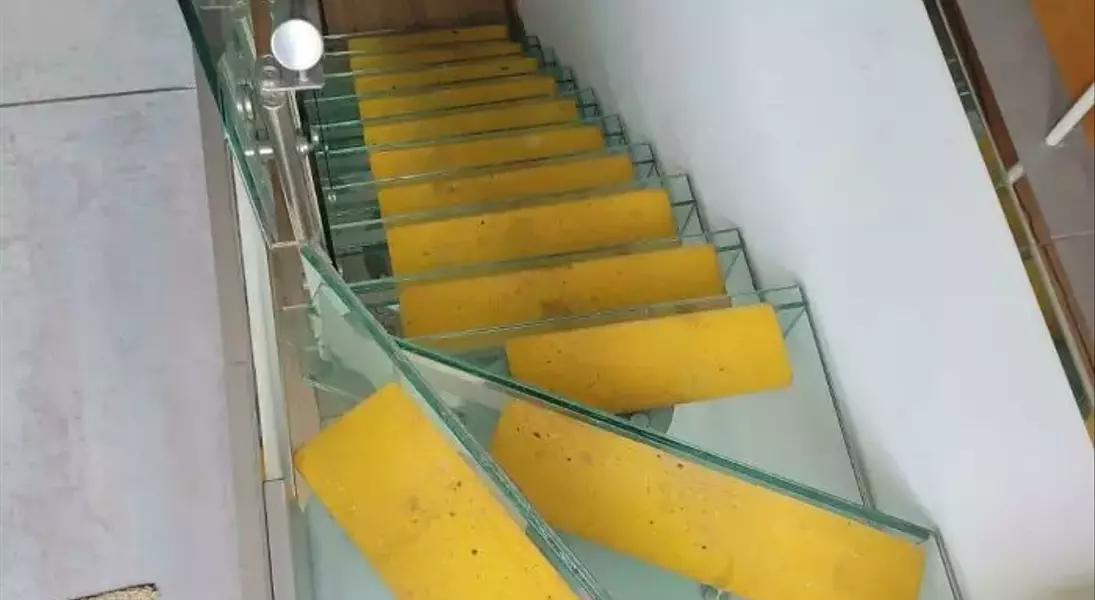

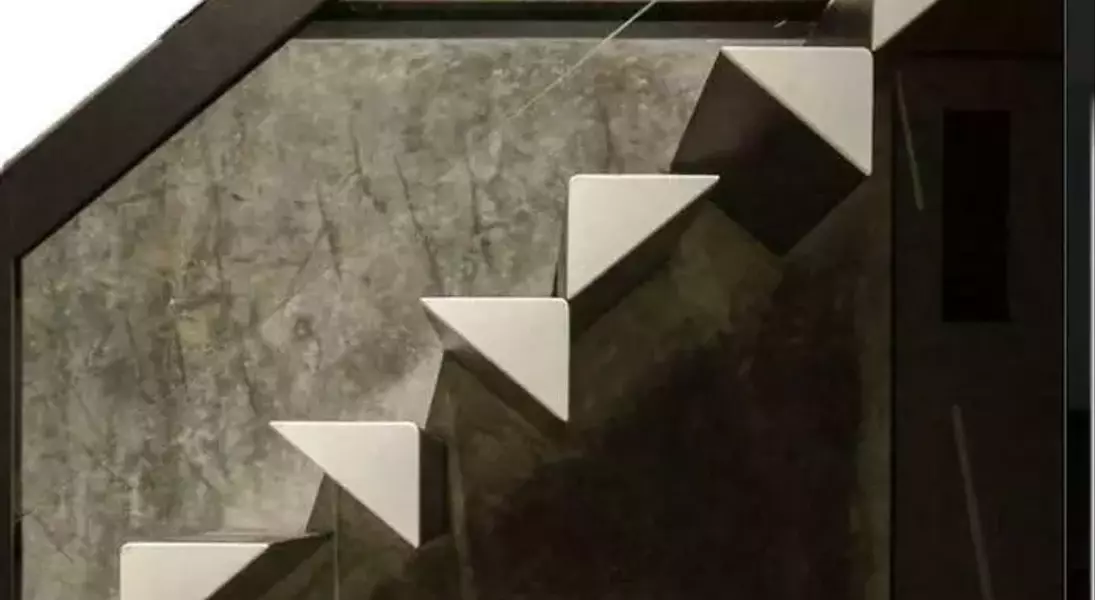

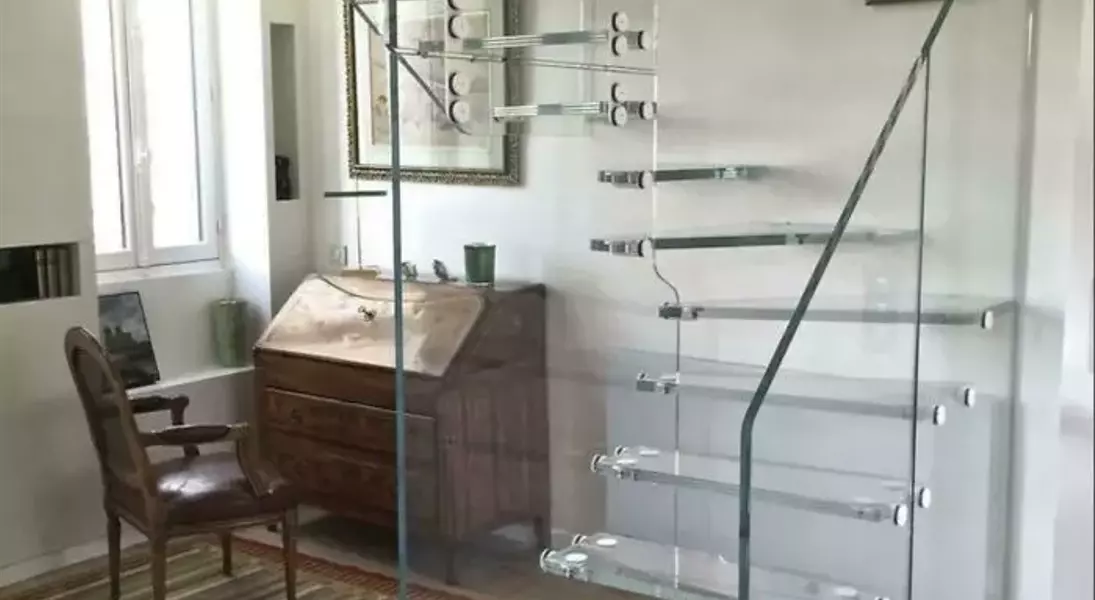
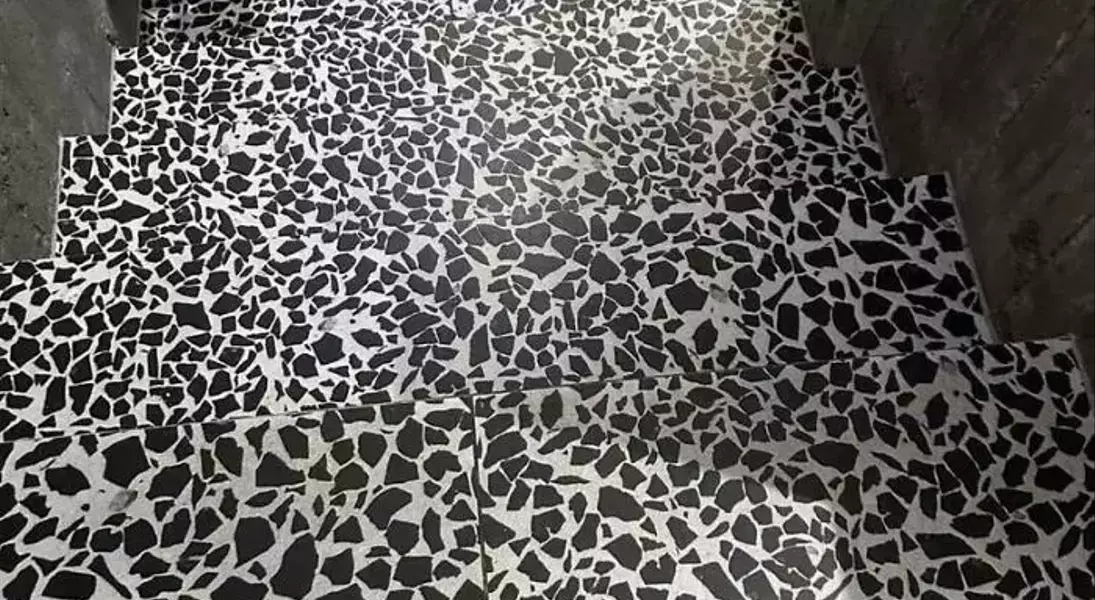
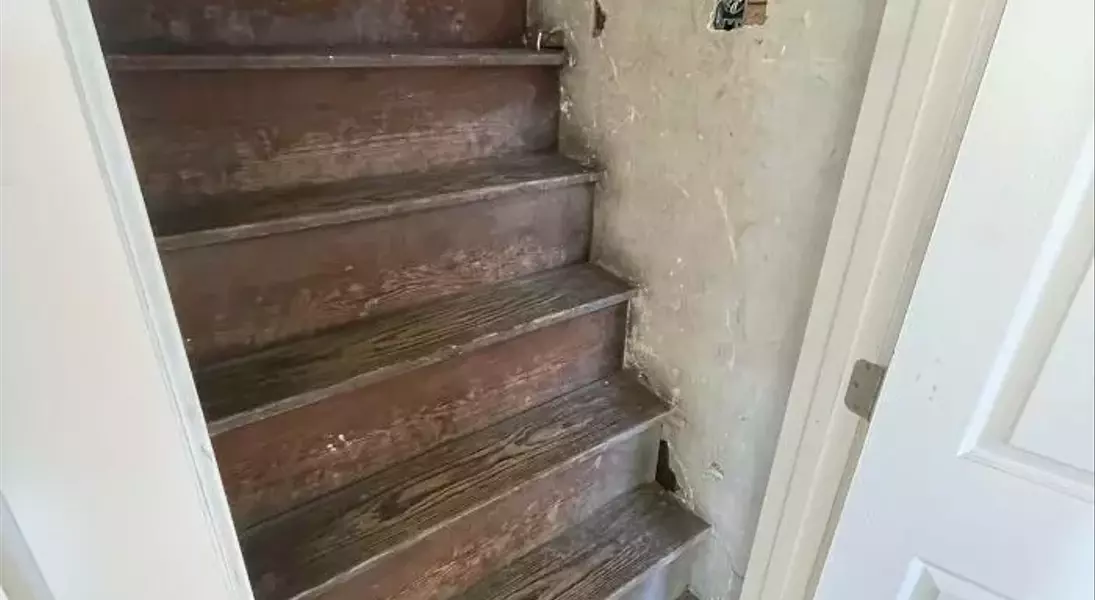
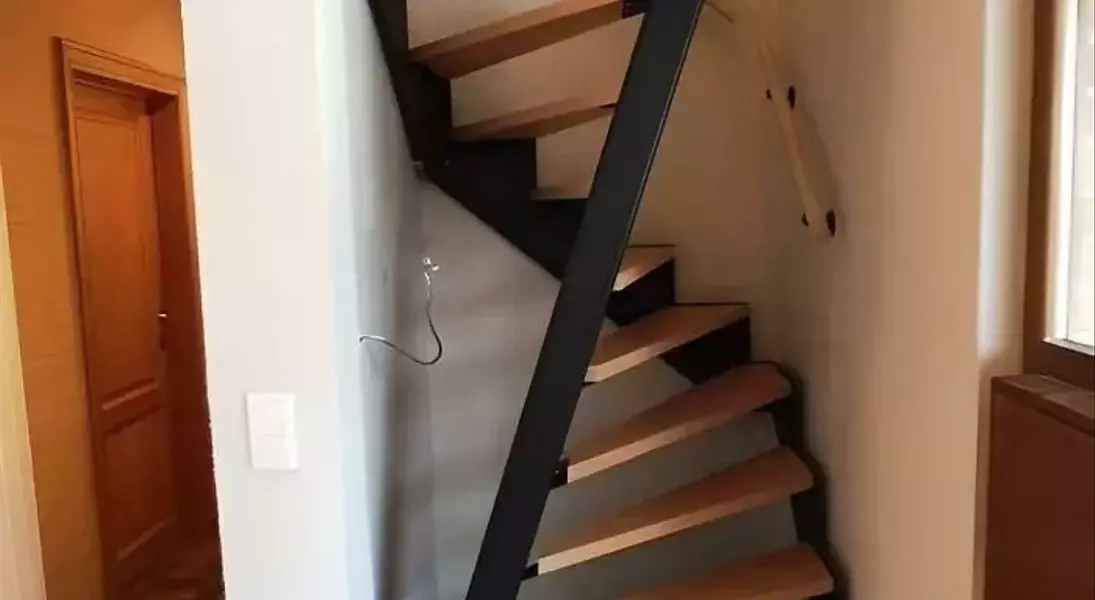
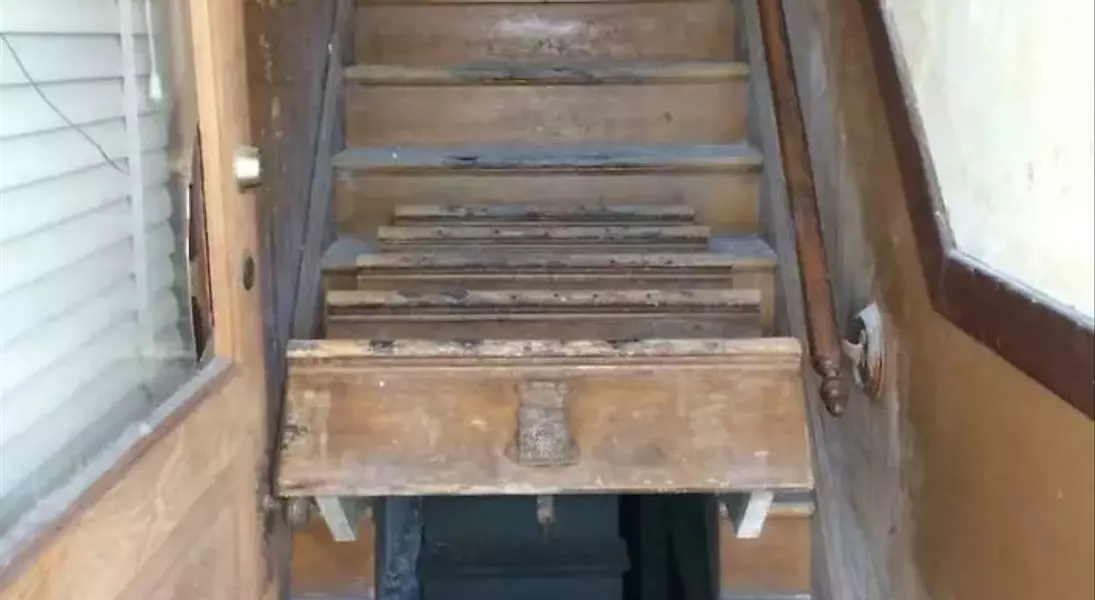
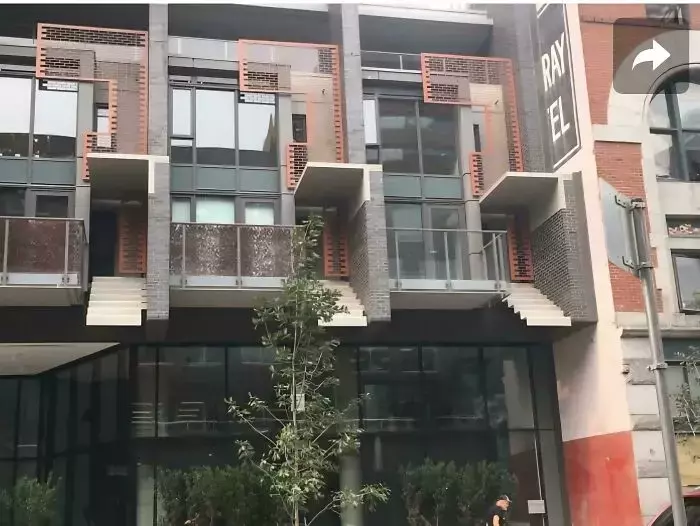
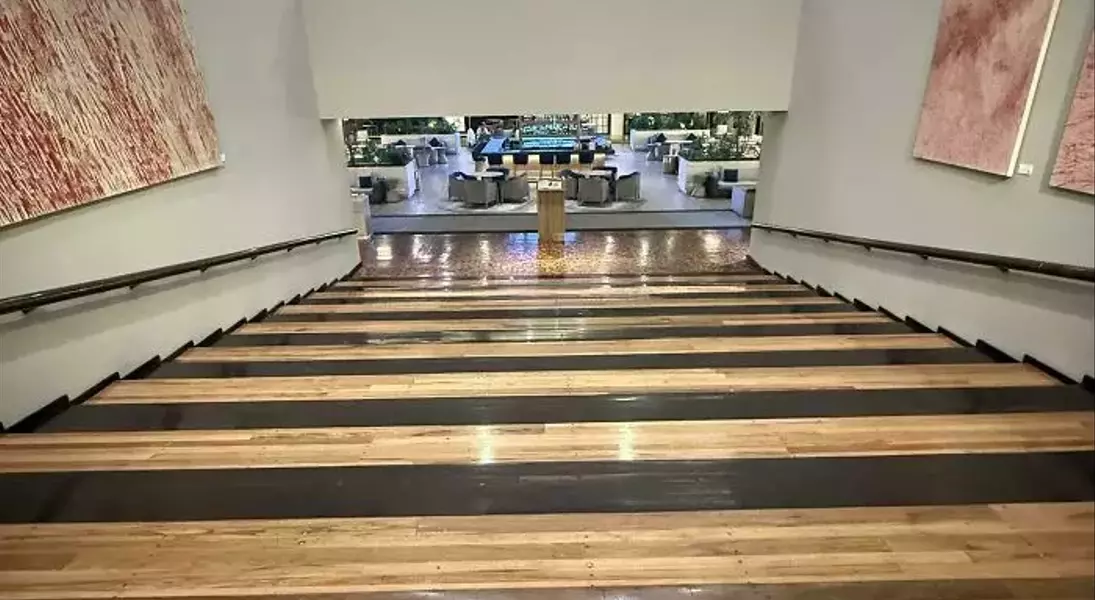
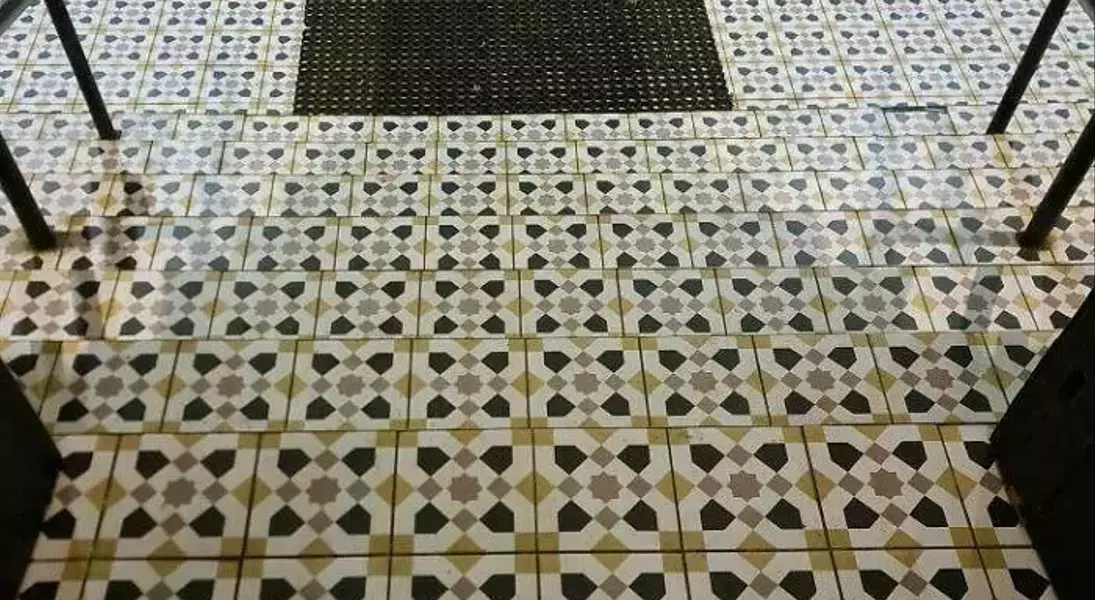


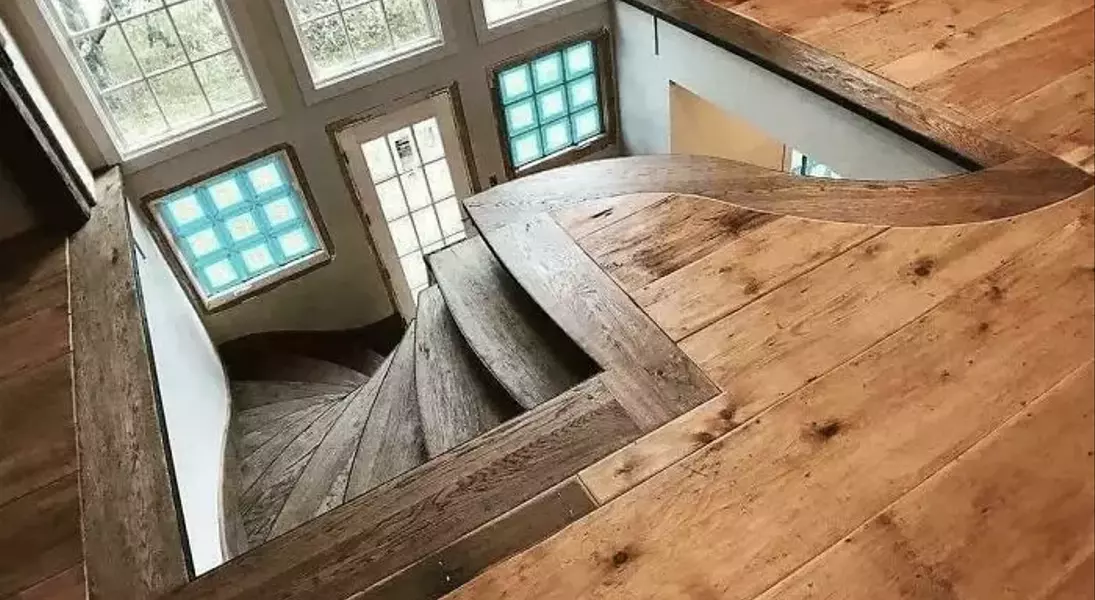
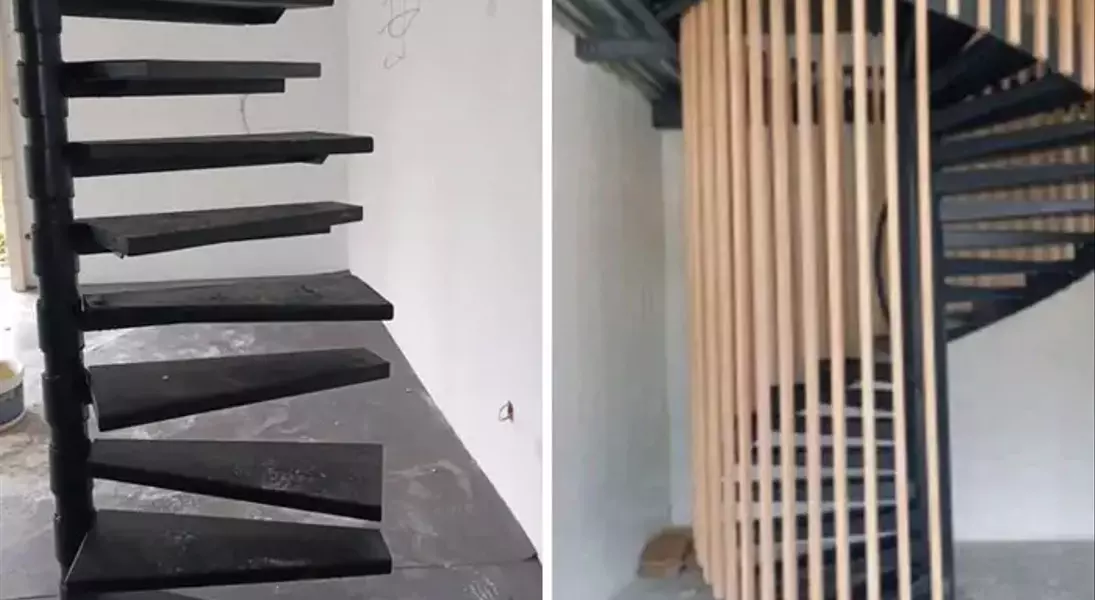
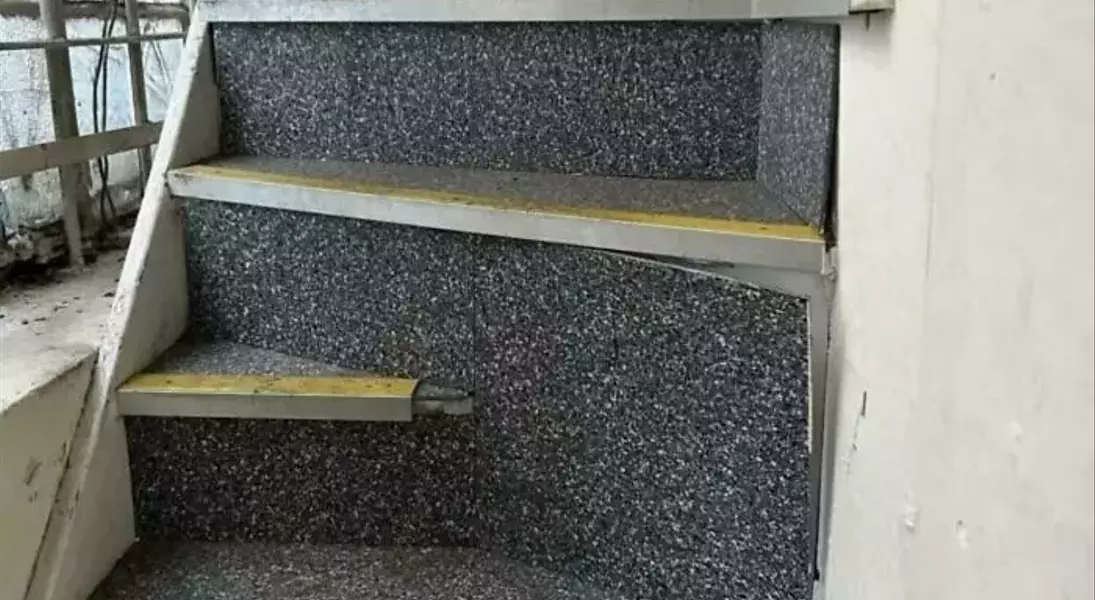
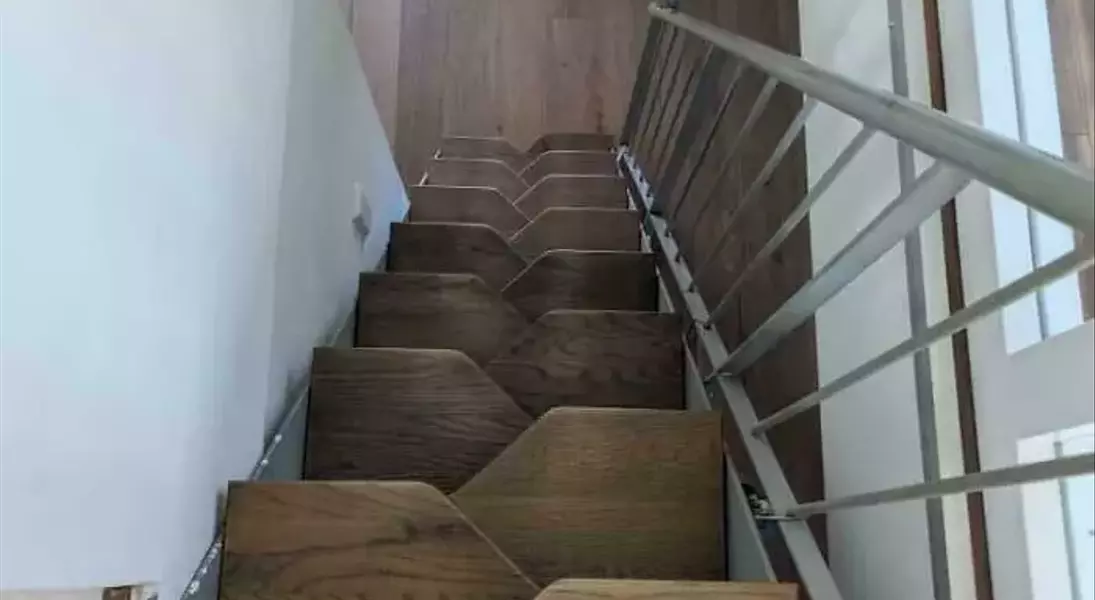


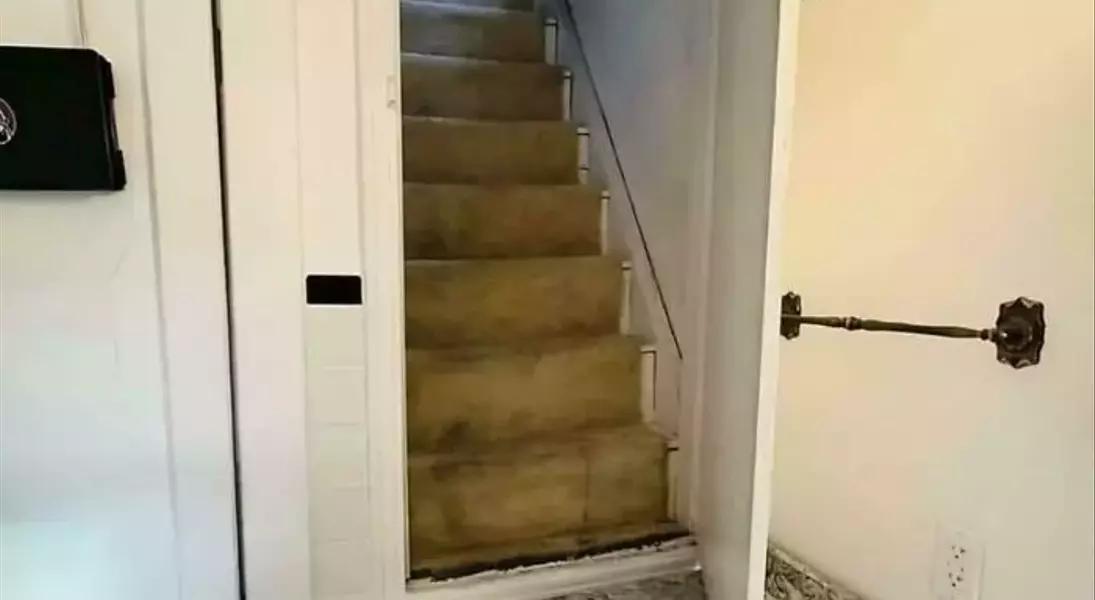
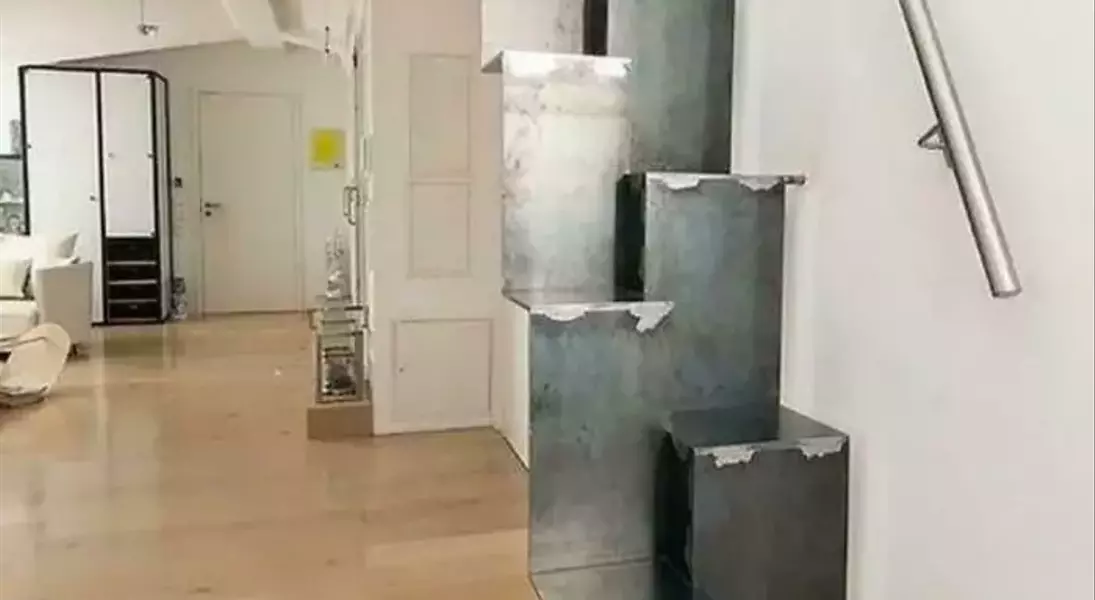

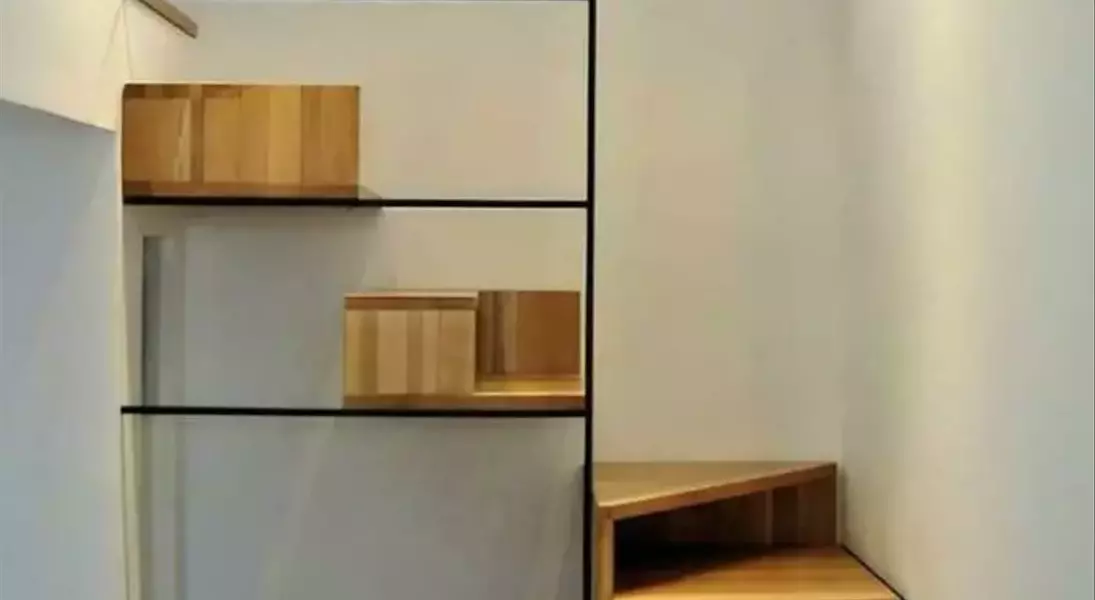
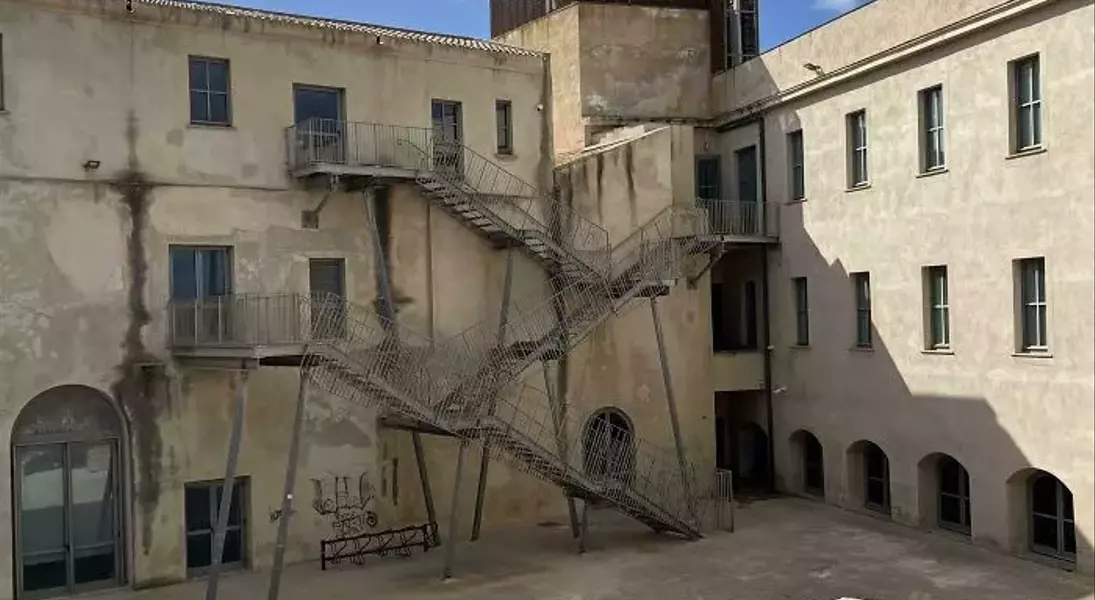

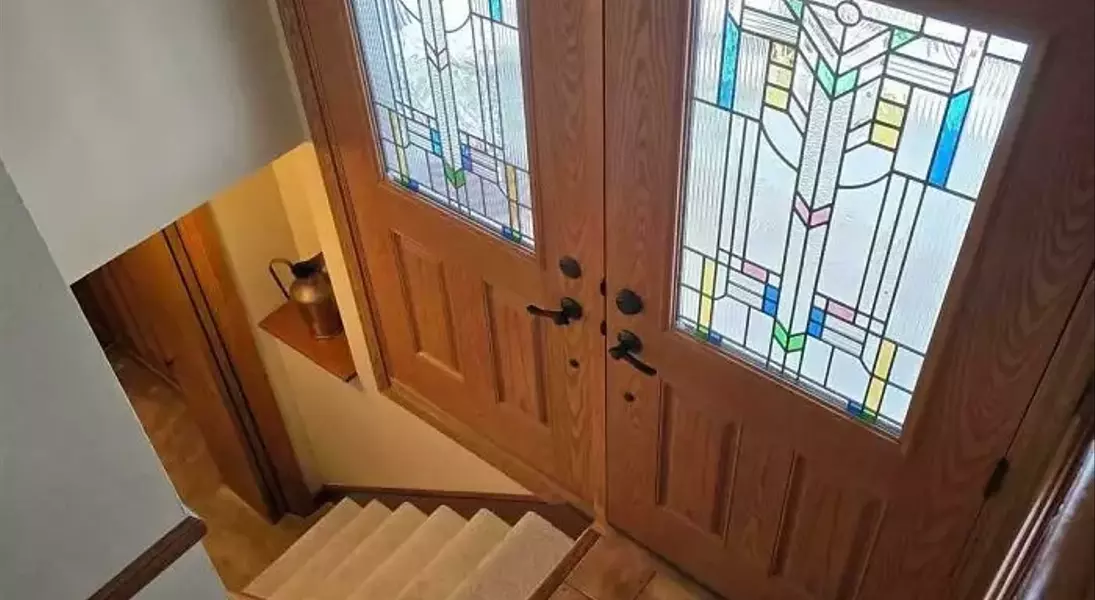
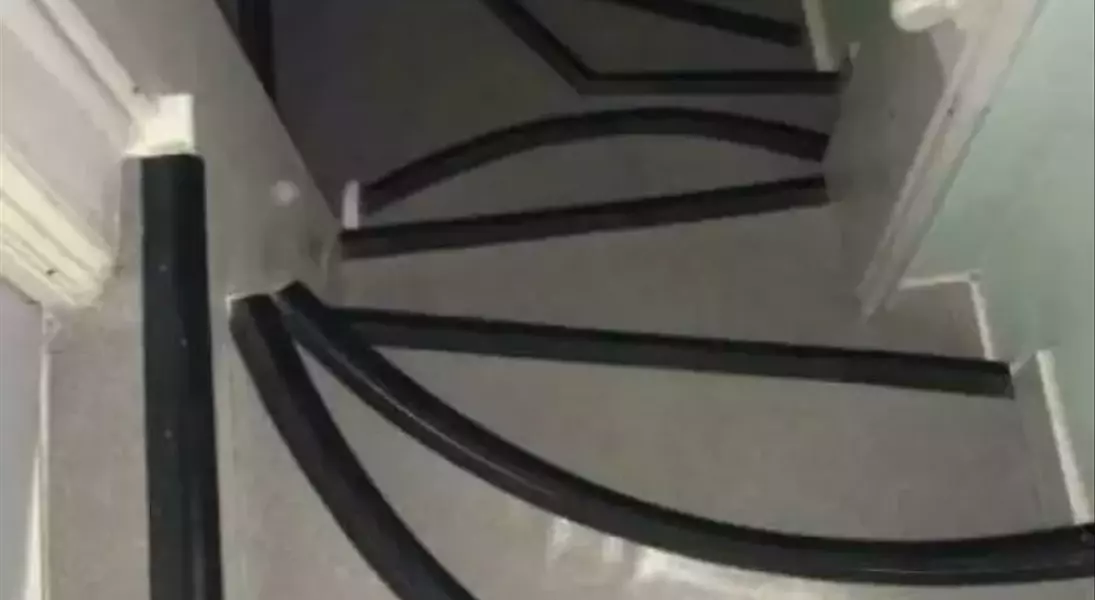
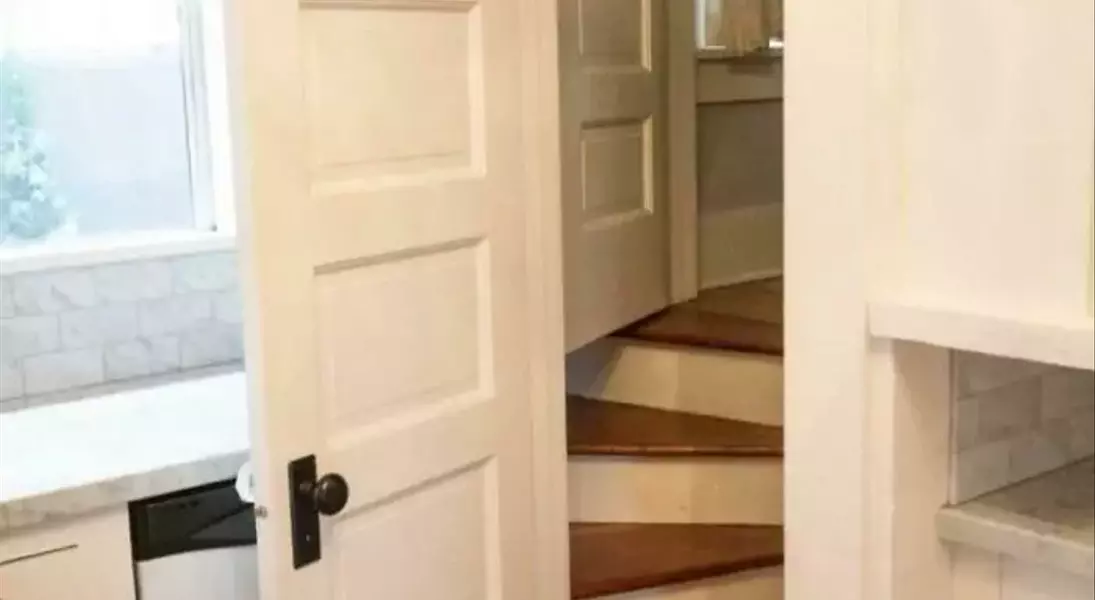
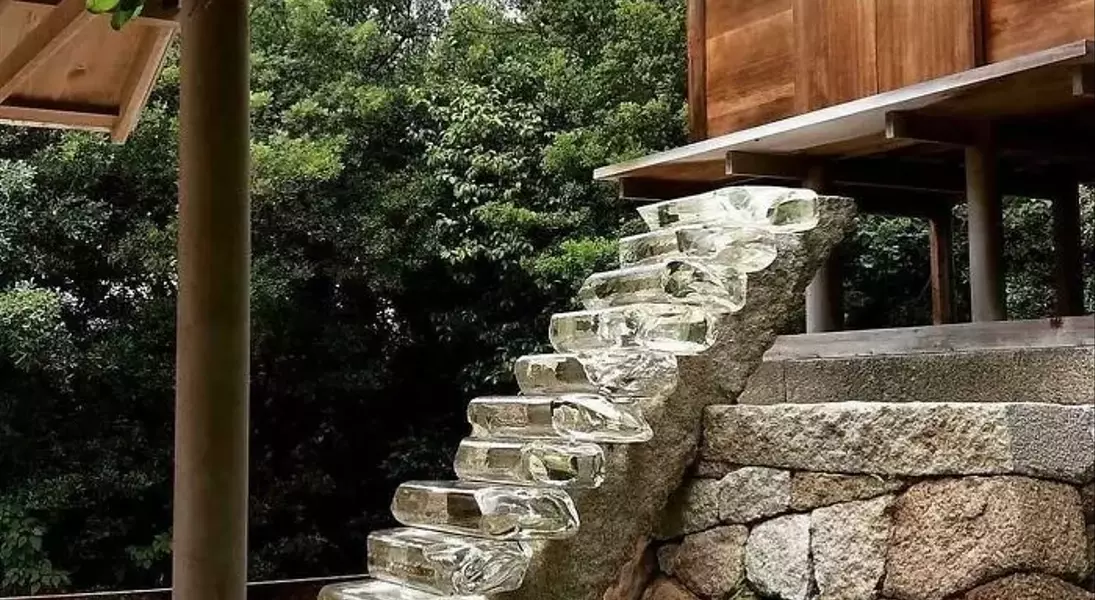
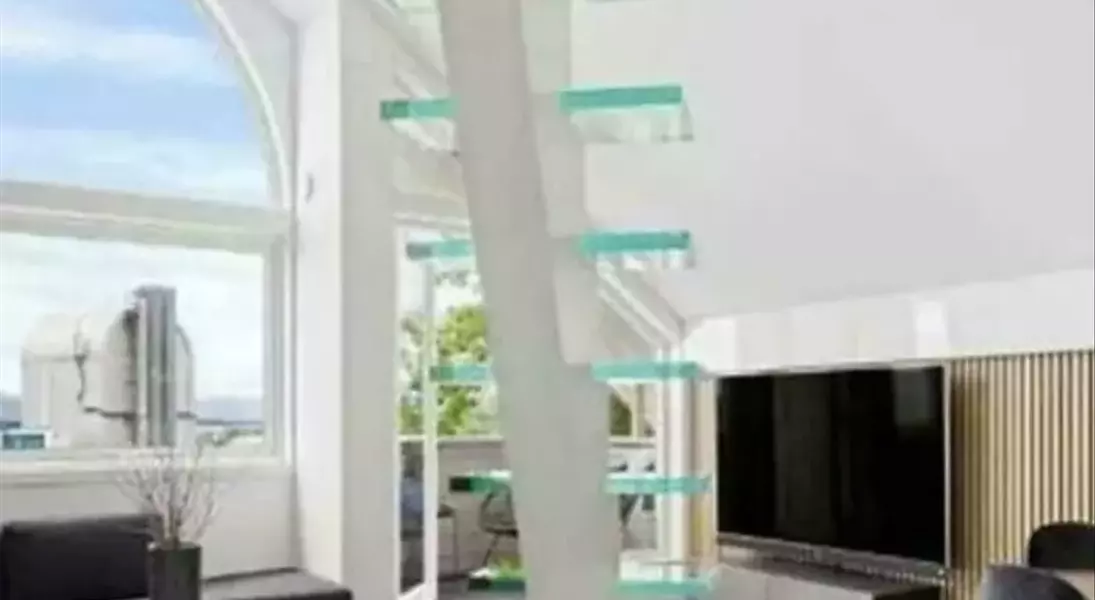

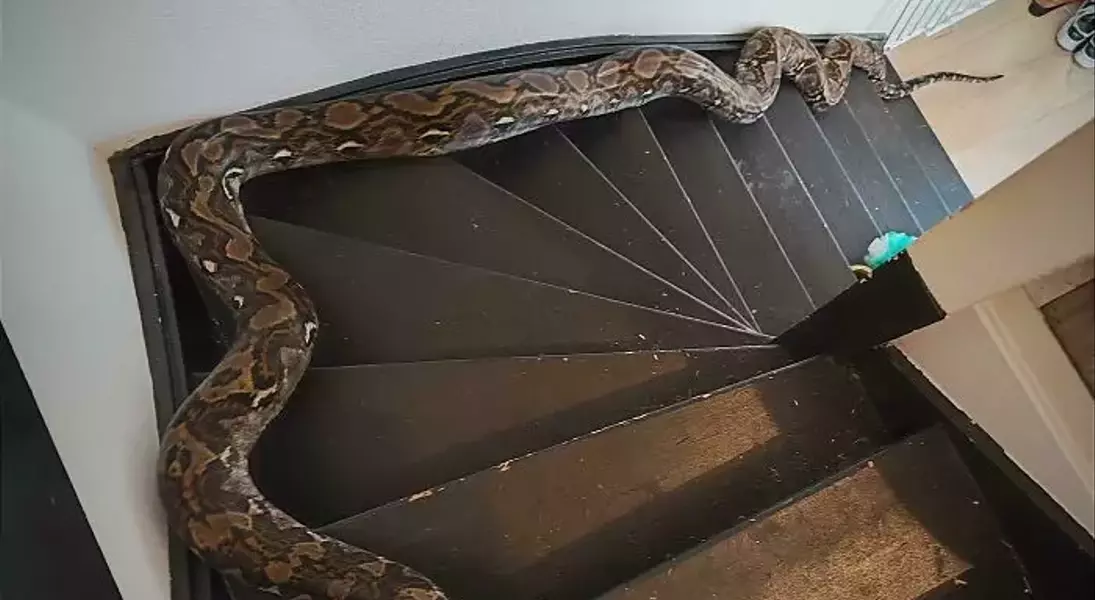

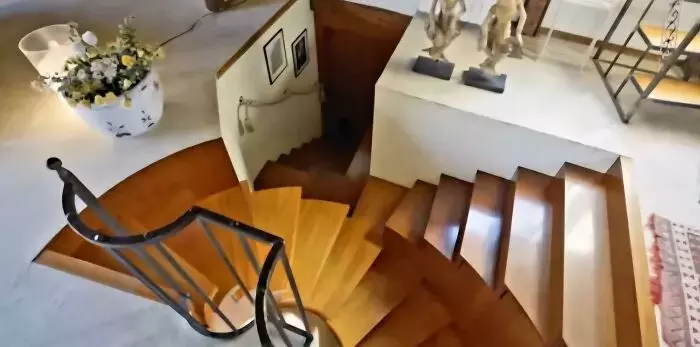







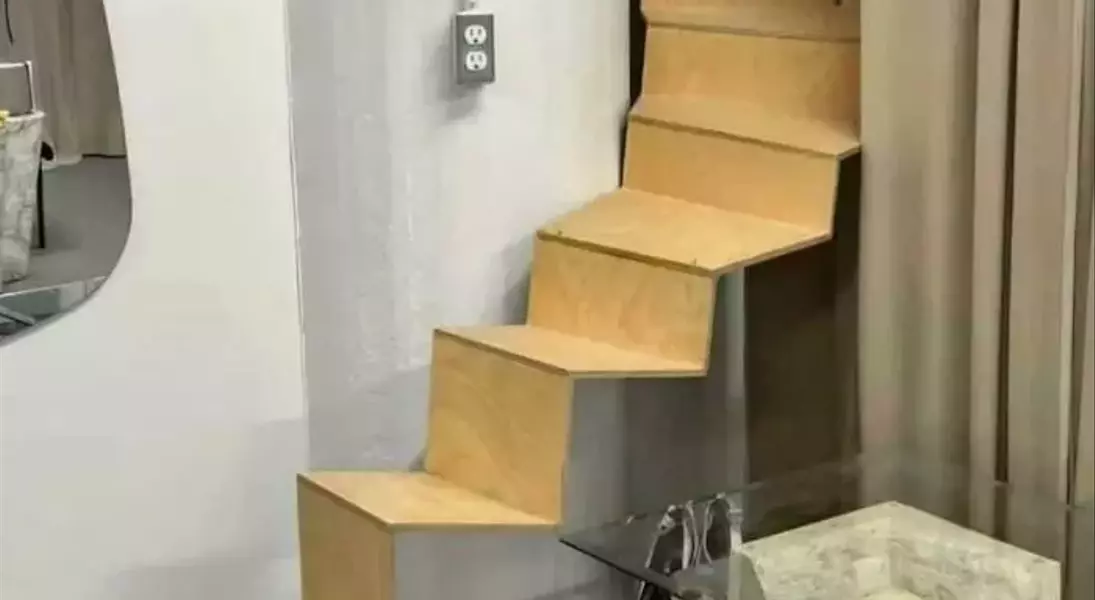
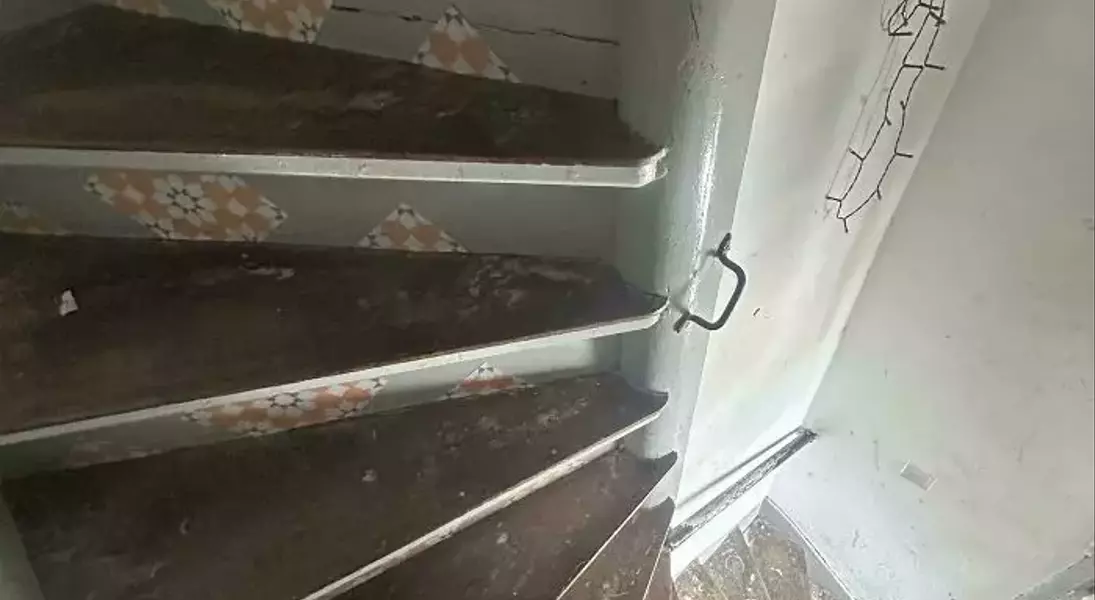


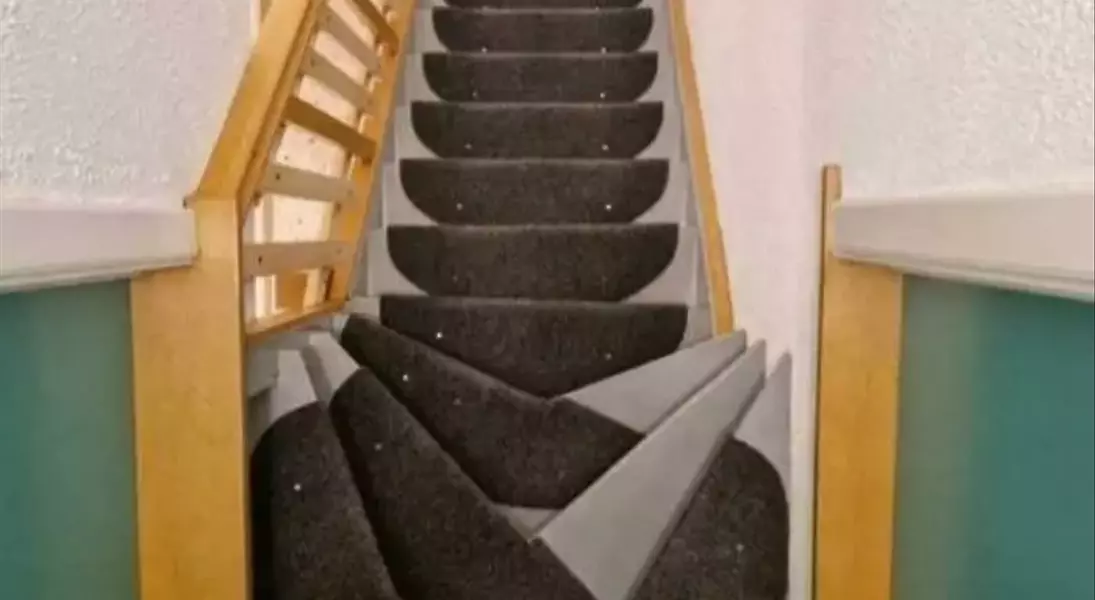
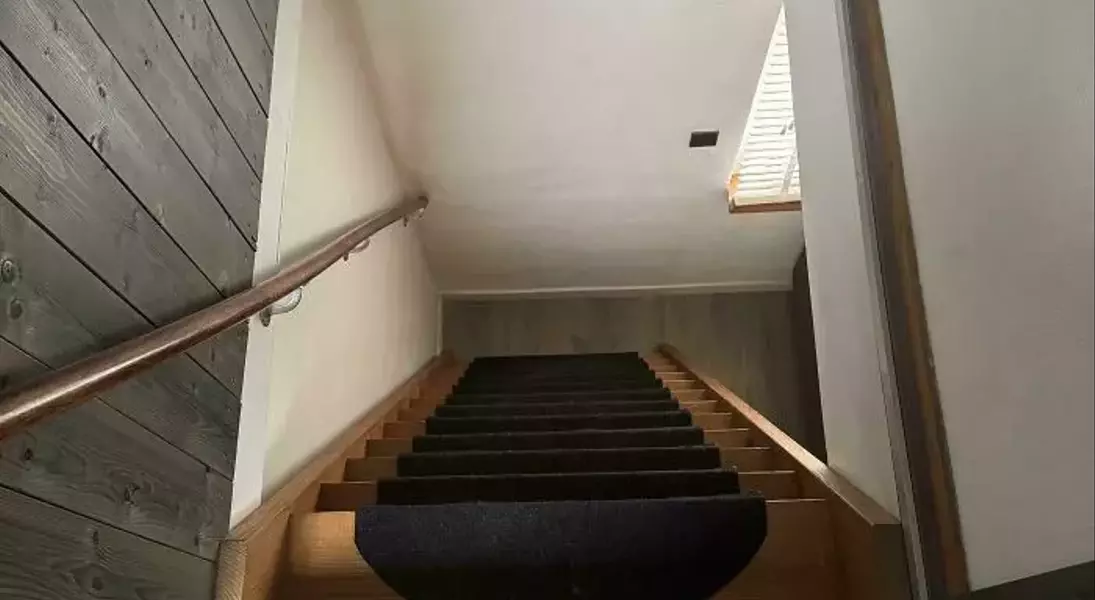

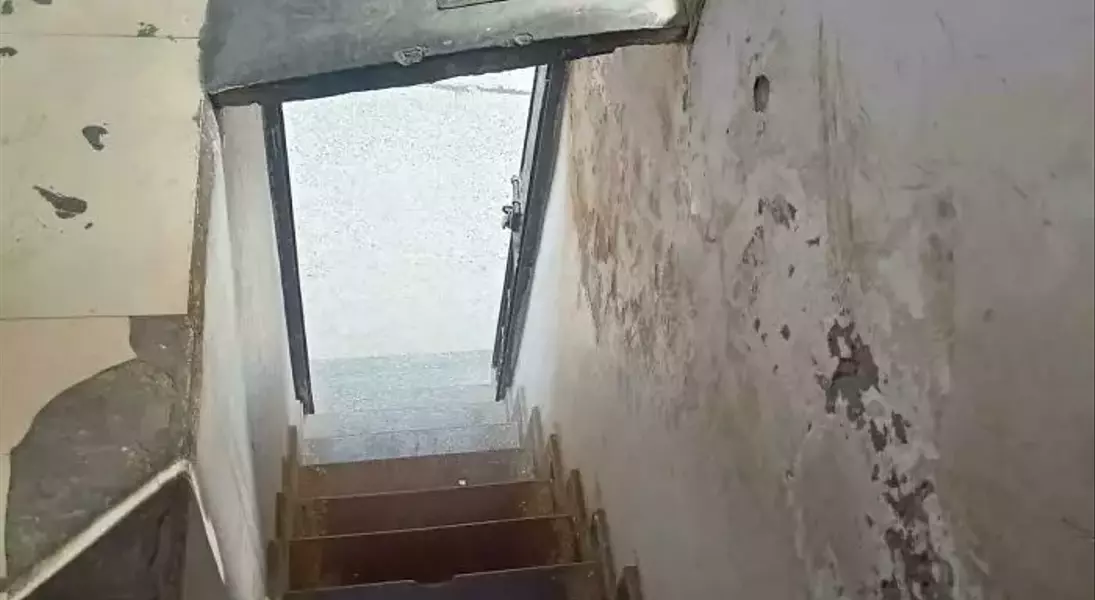
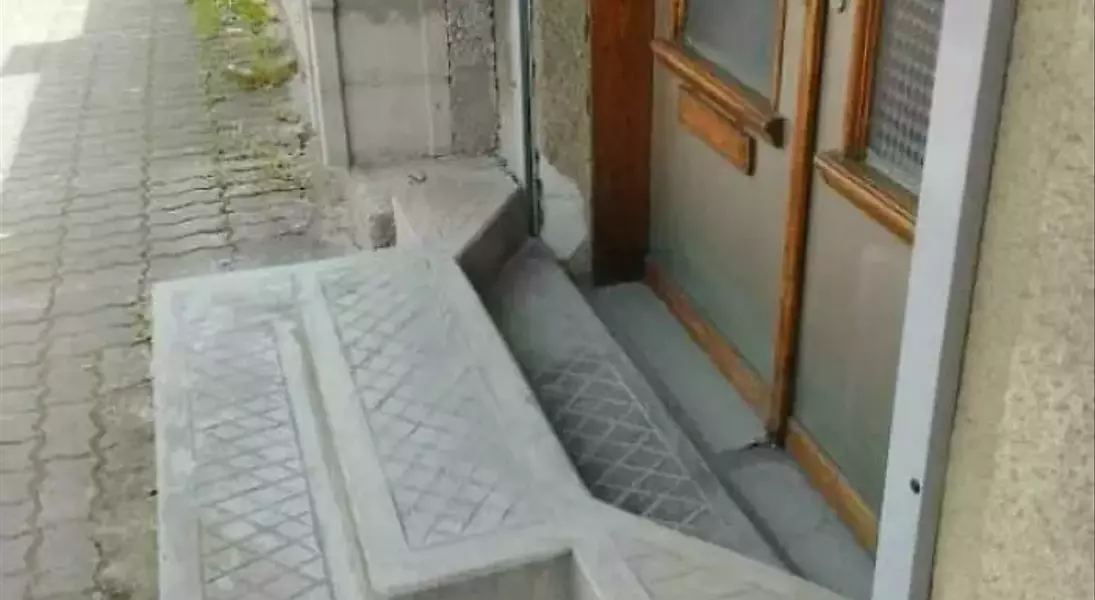

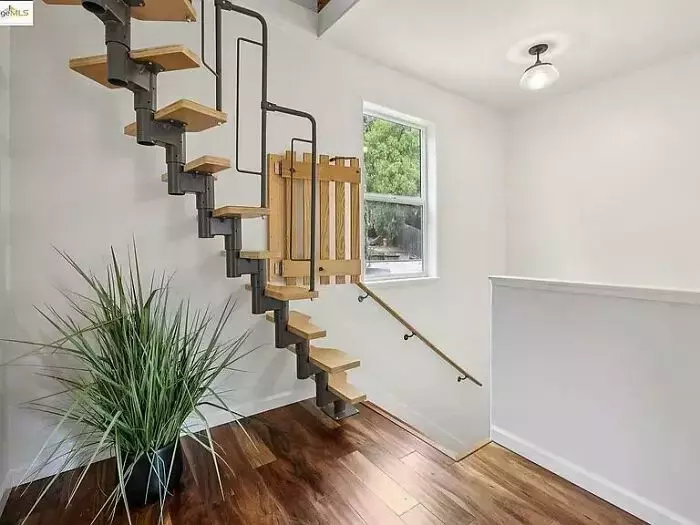

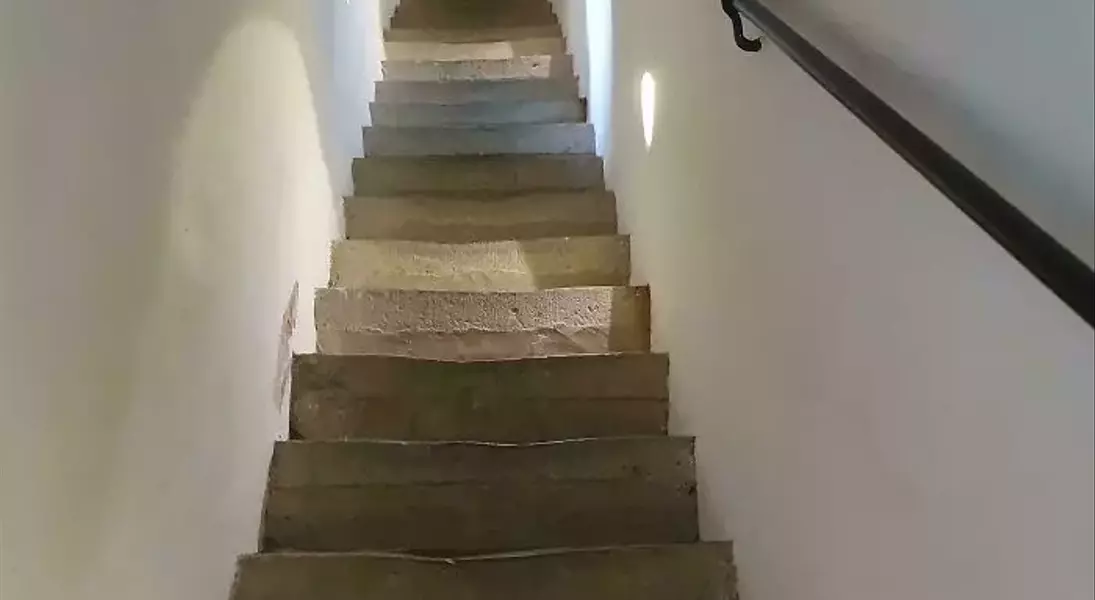
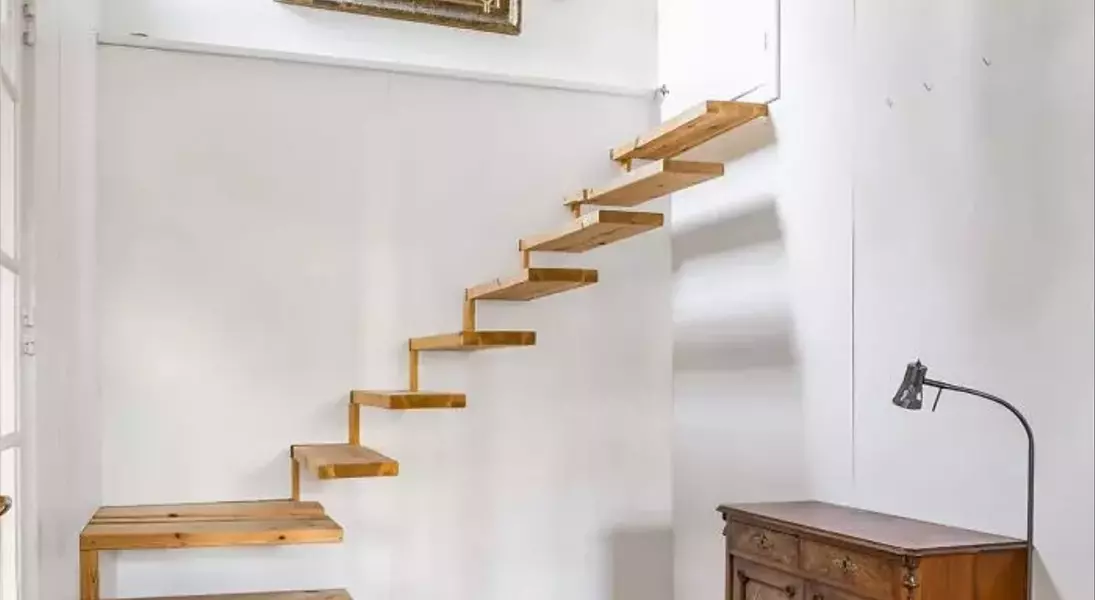
Staircases, an everyday architectural element, often go unnoticed, yet their design significantly impacts safety. While a well-designed stairway integrates seamlessly into a space, prioritizing user safety, some designs inadvertently introduce considerable risk. This collection features numerous instances where staircases defy conventional safety standards, presenting hazards ranging from inconvenient to outright dangerous, prompting a closer look at the importance of careful design in preventing accidents.
Research underscores the prevalent danger of stair-related incidents. Annually, over a million individuals in the United States sustain injuries from falls on stairs, with a substantial number of these accidents occurring within private residences. A report from the British Woodworking Federation reveals that nearly half of all adults in the UK have experienced a slip, trip, or fall on stairs within a year. These incidents are frequently attributed to compromised safety features, such as inadequate maintenance, slippery surfaces, poor lighting, or obstructions. Structural issues, including uneven steps and the absence of handrails, also contribute significantly to the risk. Beyond design flaws, human factors like distraction from mobile phones, carrying heavy objects, or rushing can heighten the likelihood of an accident, emphasizing the dual responsibility of safe design and user vigilance.
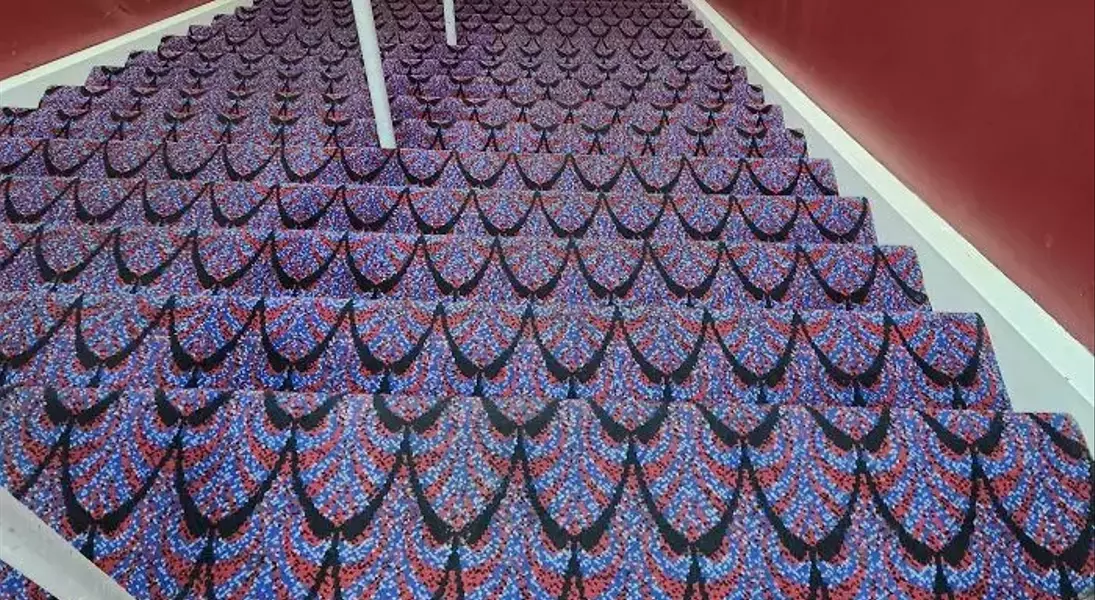
To mitigate these hazards, safety guidelines recommend specific design considerations for staircases. Ensuring handrails are easily graspable along their entire length is crucial, as is improving visibility through angular lighting and contrasting colors to enhance depth perception. Matte finishes are preferred to minimize glare, while patterned carpets are discouraged due to their potential to create visual distortions and obscure step changes. By addressing these design elements and promoting user awareness, the inherent dangers of staircases can be significantly reduced, leading to safer environments for everyone.
In conclusion, while the aesthetic and functional diversity of staircases can be impressive, safety must always be paramount. The numerous examples of hazardous stairs underscore the critical need for adherence to safety standards and thoughtful design. Promoting safer stair environments not only protects individuals from physical harm but also enhances overall well-being and peace of mind in both public and private spaces. Prioritizing safety through design and education allows us to move confidently through our environments, free from unnecessary risks.
