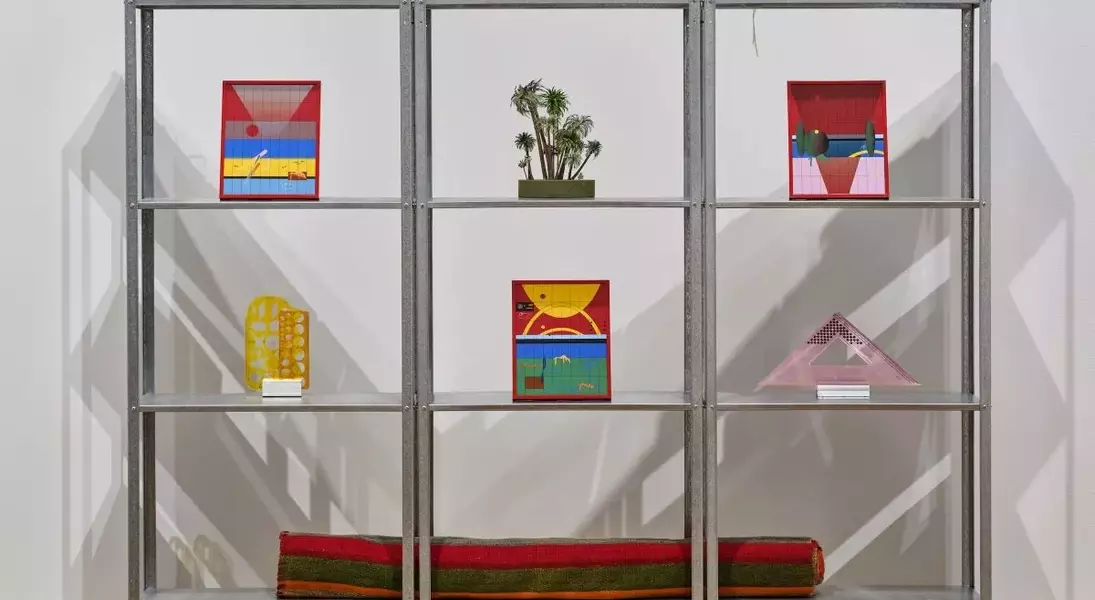
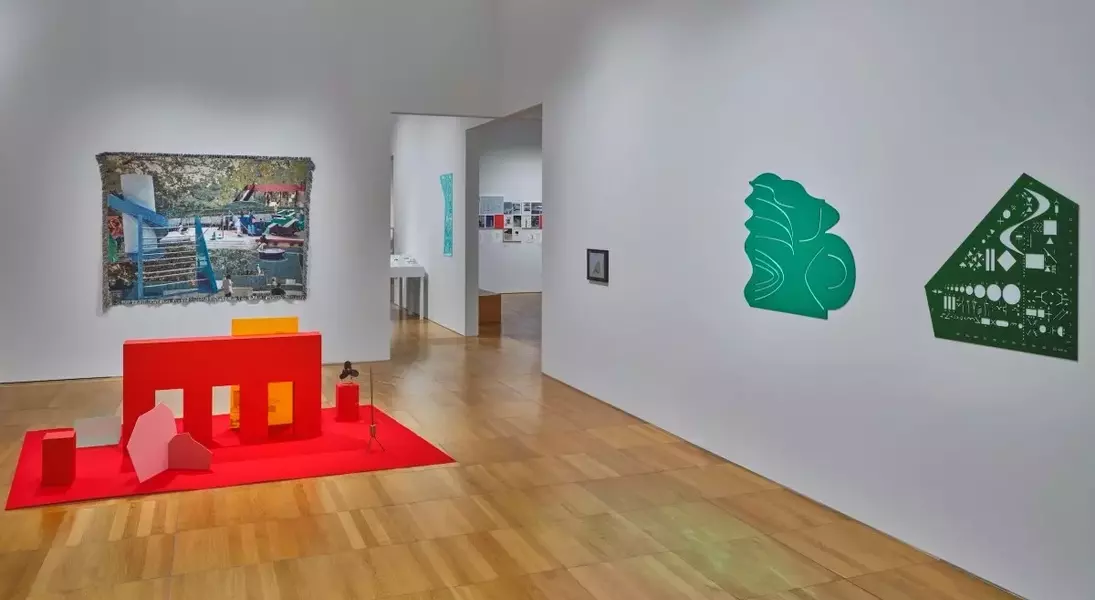
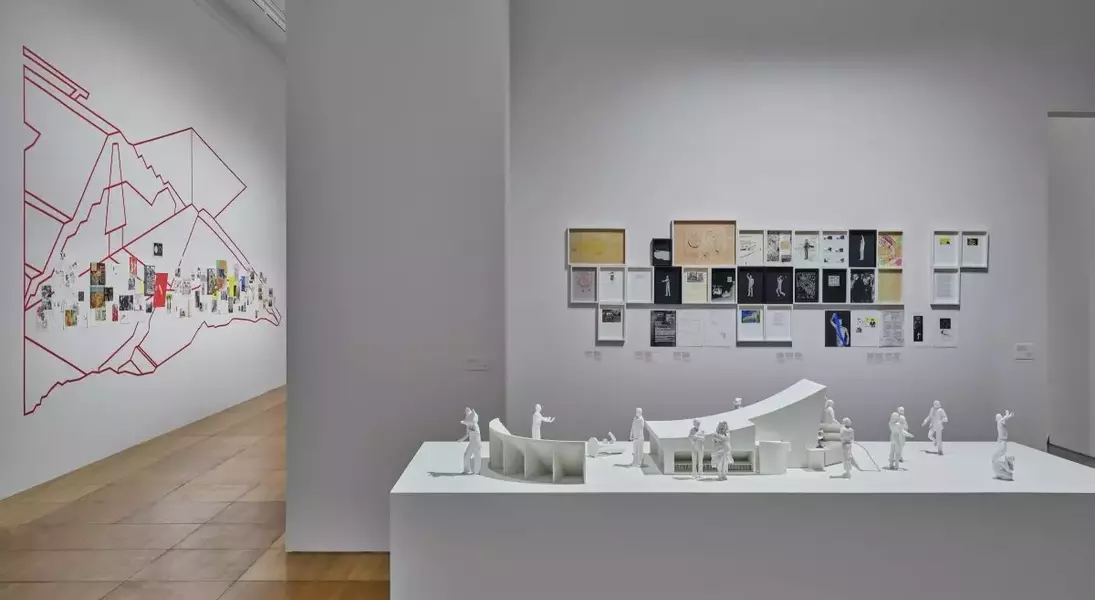
Artist Ala Younis, celebrated for her diverse artistic endeavors including curatorial projects, in-depth research, and publications, is showcasing her first major institutional exhibition in West Asia. This exhibition, titled 'Past of a Temporal Universe,' invites visitors to engage with her extensive body of work, prompting them to derive fresh insights from historical nuances that lie beneath the surface of global events.
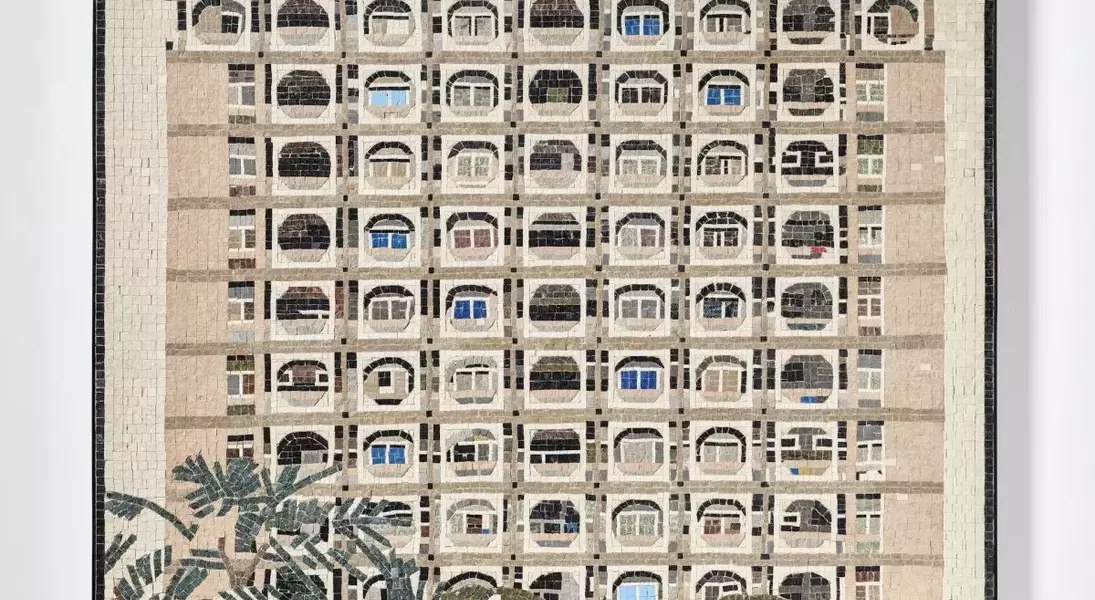
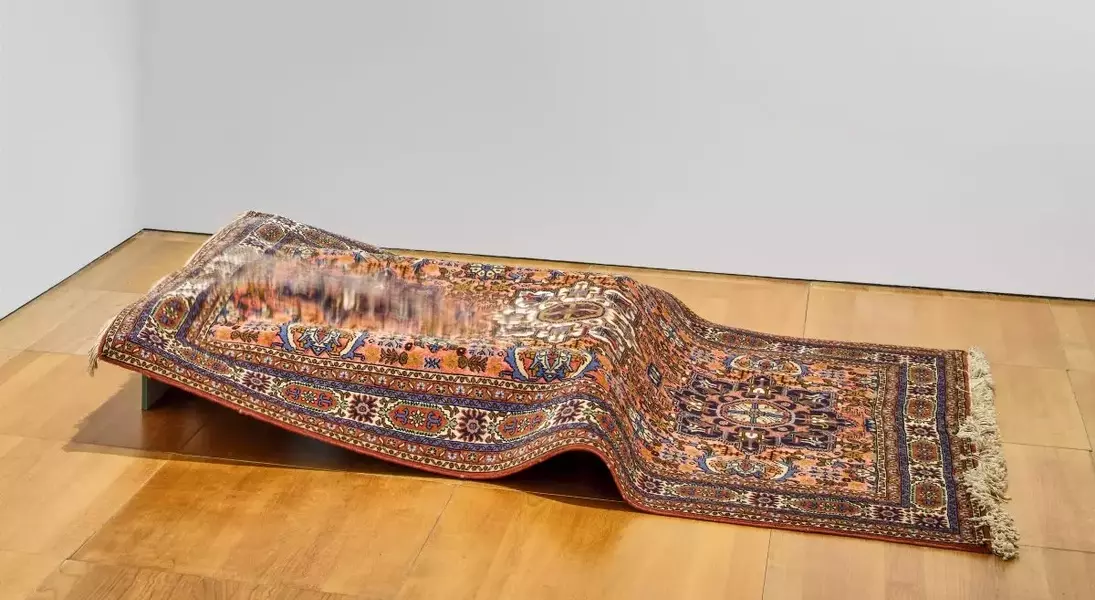
Younis's artistic approach is profoundly shaped by her background in architecture and visual studies. Her creations frequently revolve around the architectural evolution and intersecting narratives of the Arab regions where she spent her formative years, often drawing inspiration from a rich array of both formal and informal archival materials. Her installations, textile art, murals, intricate mosaics, and detailed drawings forge unexpected and striking connections between political, social, urban, and popular collective imaginations.
The exhibition introduces four significant new commissions alongside updated versions of her acclaimed signature projects. These include 'Plan for Greater Baghdad' (2015), 'Nefertiti' (2008), and 'Tin Soldiers' (2010-11). Collectively, these pieces highlight the consistent conceptual and aesthetic threads throughout her artistic career, illustrating her journey from developing fundamental techniques within the Amman art scene in Jordan, to her innovative exploration of knowledge that has defined her unique methods and perspective today. At NYU Abu Dhabi, Younis's work benefited from numerous academic collaborations, exemplified by a new segment of her 'High Dam' series, developed in partnership with Masha Kirasirova, NYUAD Associate Professor of History and a scholar of Soviet-Arab relations. Additional works in the exhibition received backing from NYUAD's al Mawrid Arab Center for the Study of Art and the Arts and Humanities Research Forums. Maya Allison, NYUAD's Galleries Executive Director and University Chief Curator, reflected on the challenge of mounting a retrospective for such a multidisciplinary artist, noting Younis's hybrid practice as an artist, researcher, and curator, and how it inspires new perspectives on art exhibitions in an era of global museums, offering a multifaceted approach to understanding both our past and future.
This exhibition stands as a testament to the power of art to reinterpret history and foster new dialogues, offering a profound exploration of cultural memory and identity through a diverse range of artistic expressions. It underscores the importance of interdisciplinary collaboration in advancing artistic and scholarly understanding, encouraging viewers to look beyond conventional narratives and discover the interwoven complexities of our shared human experience.