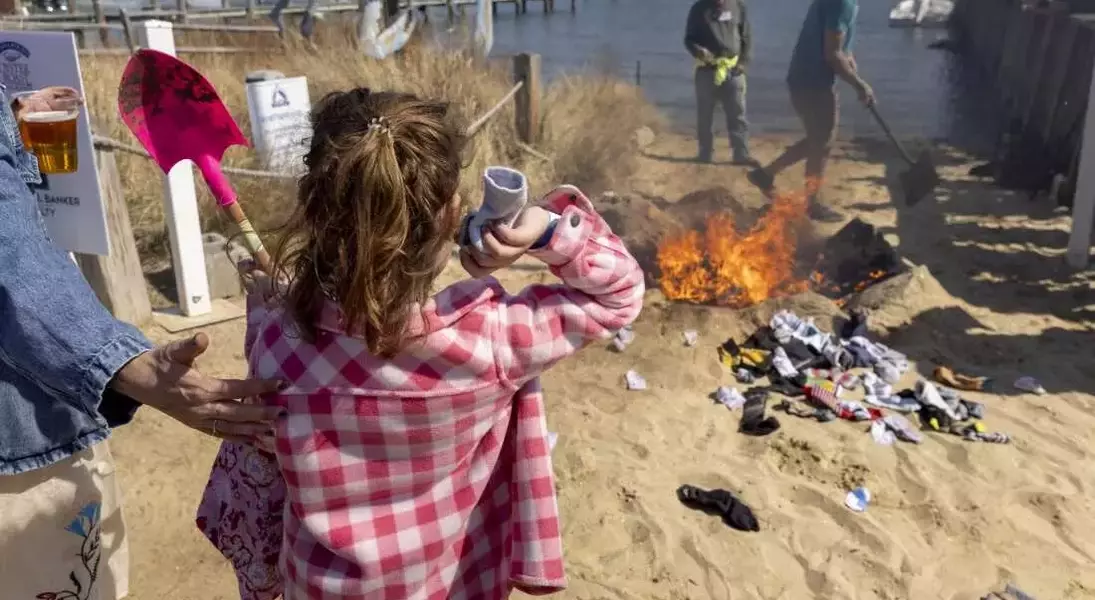
In Annapolis, Maryland, a curious and cherished annual tradition known as the "Oyster Roast & Sock Burning" brings the community together to usher in the spring season. This distinctive festival, attracting hundreds, is a lively amalgamation of music, copious amounts of oysters, and the symbolic incineration of winter socks. It's a vivid celebration marking the much-anticipated transition from the biting cold of winter to the warmth of spring, signaling the eagerly awaited recommencement of the sailing season.
Annapolis Embraces Spring with Fiery Sock Tradition
Annapolis, Maryland – As the spring equinox unfurls its gentle embrace, the historic city of Annapolis orchestrates an annual spectacle: the Oyster Roast & Sock Burning. This unique tradition, deeply embedded in the local culture, draws a vibrant crowd to the Eastport neighborhood each year.
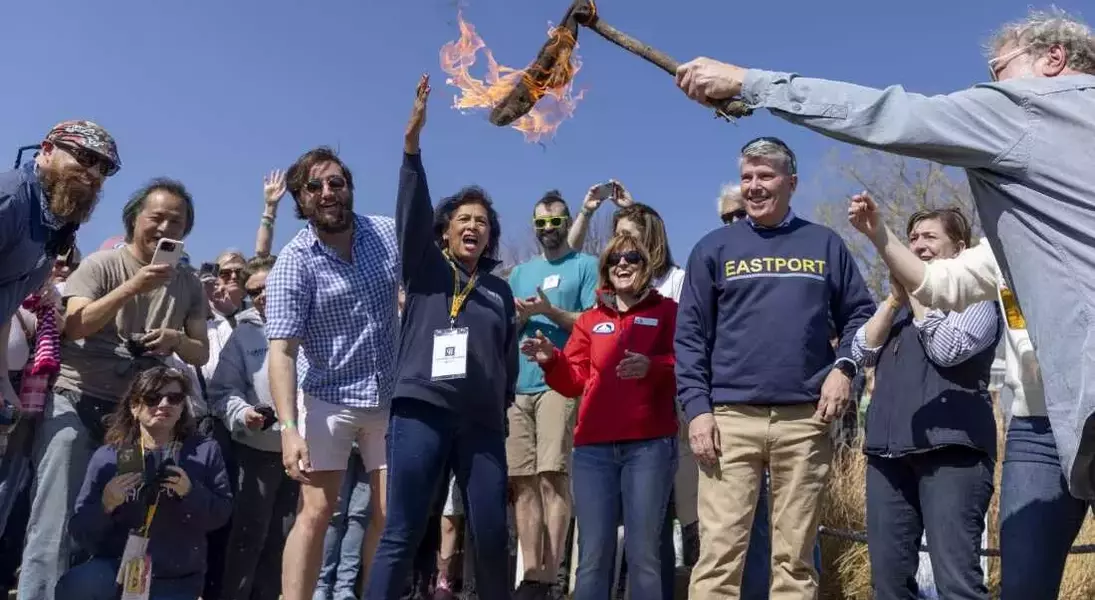
The genesis of this heartwarming custom dates back to 1977, a period when the region endured one of its most severe winters, causing the Chesapeake Bay to freeze over. Local boatyard worker, Bob Turner, found himself utterly weary of the relentless cold and, in a spontaneous act of defiance and hope, shed his winter socks and cast them into a bonfire. He famously declared that he would not wear socks again until the following winter. This singular act of a frustrated sailor quickly blossomed into a cherished community tradition, a fiery declaration of victory over winter's chill and a communal yearning for sunnier days.
The current festival, held at the Annapolis Maritime Museum & Park, is a boisterous affair. Attendees, like resident Mary Keller, express a particular delight in watching the socks burn, an act that resonates deeply with the collective relief from winter's grip. This year, the sentiment is particularly strong, following what many describe as a "brutal" winter. The severity of the past season was so profound that it even led to the unprecedented delay of the Annapolis Yacht Club's annual "Frostbite" sailboat race series due to excessive ice in Spa Creek and the Severn River, a phenomenon not witnessed in two decades.
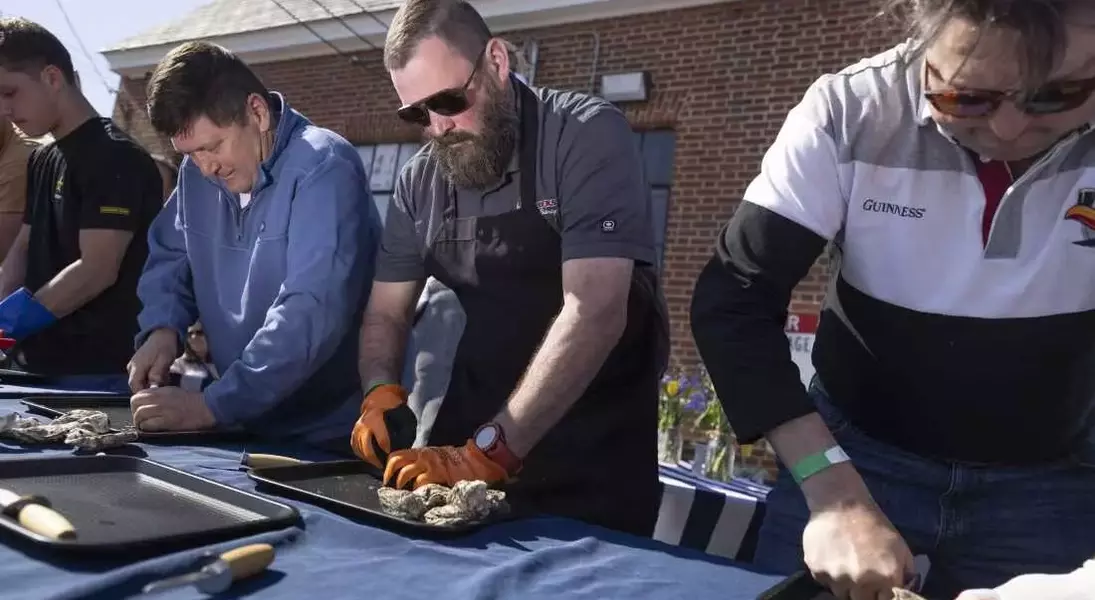
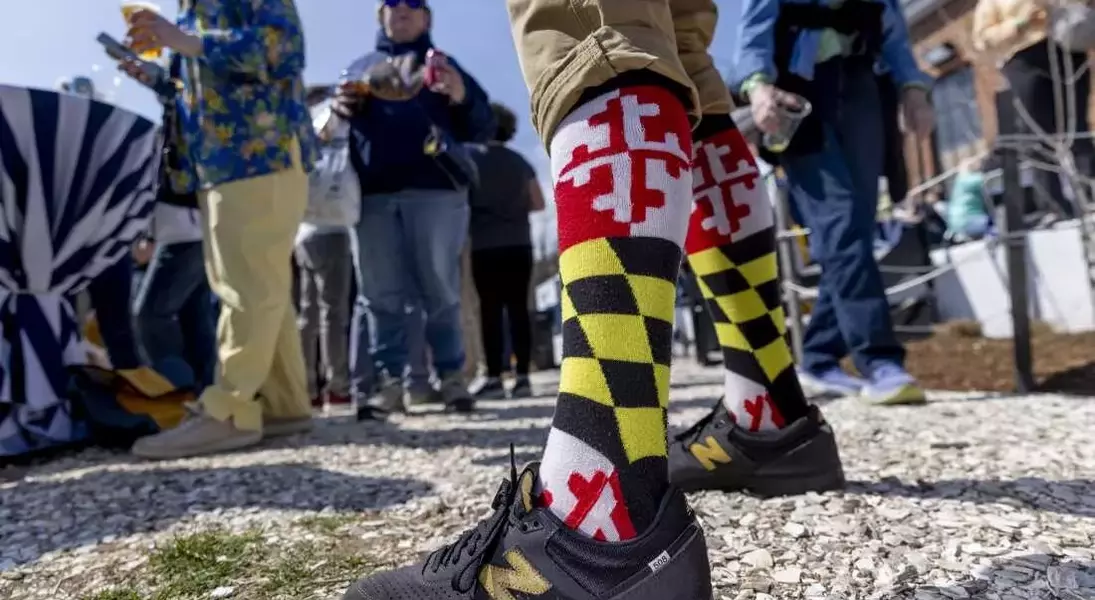
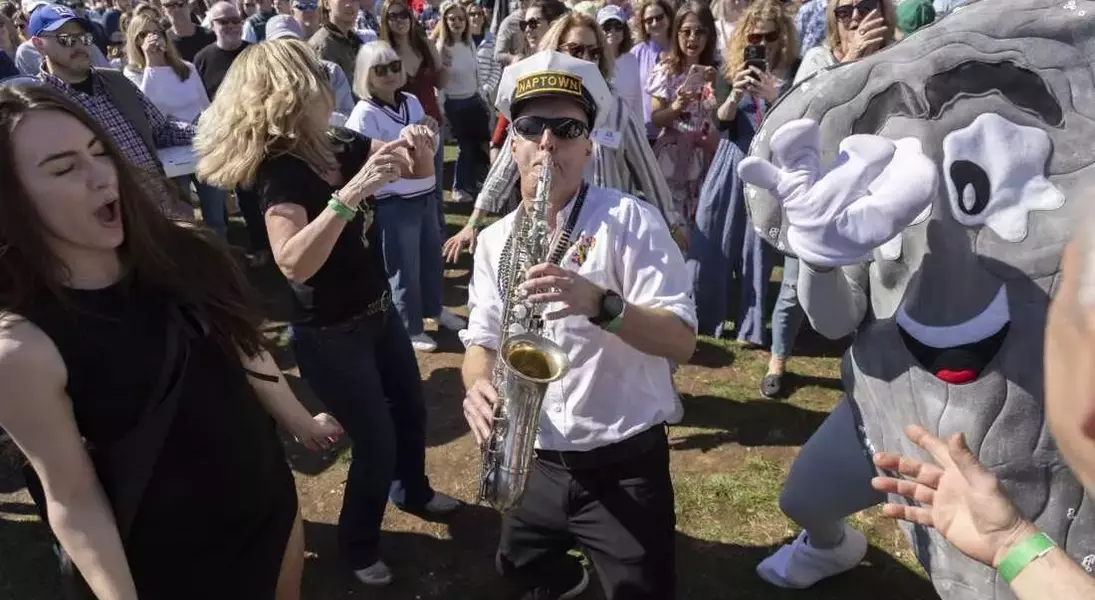
However, the mood at the festival is one of unbridled joy and optimism. Under the bright spring sun, the air is filled with the lively strains of music from bands like the Eastport Oyster Boys and the Naptown Brass Band. Participants, such as Scot Labin, meticulously select the socks destined for the flames – often old, holed, or simply those deemed unnecessary in the era of remote work – symbolizing a shedding of winter's burdens. The event also boasts an abundant supply of fresh Chesapeake Bay oysters, with expert shuckers like Mike Dicus, a veteran of 35 years, tirelessly preparing thousands for enthusiastic festival-goers.
The climax of the celebration arrives with Annapolis poet laureate Jefferson Holland's recitation of his "Ode to the Equinox." His verses humorously articulate the rationale behind the tradition: to free oneself from the constraints of socks for the warmer months, reveling in the simple pleasure of bare feet in deck shoes. Following the poem, the crowd eagerly hurls their socks into the roaring bonfire, a vibrant, chaotic, and cathartic release. While some participants humorously admit the festival is a good "excuse to drink," the deeper essence lies in its communal spirit – a celebration of resilience, renewal, and the vibrant return of spring.
This annual sock burning ceremony is more than just a quirky local custom; it's a profound cultural expression of resilience and hope. It highlights how communities can transform everyday annoyances, like the lingering cold of winter, into shared moments of joy and tradition. For many, it's a powerful reminder that even after the harshest seasons, warmth, community, and new beginnings are always on the horizon. The festival also underscores the importance of local traditions in fostering a strong sense of identity and belonging, turning a simple act into a meaningful collective experience that marks the cyclical passage of time and the renewal of nature.
