Archer Aviation is spearheading a transformative vision in the aviation industry, focusing on the development of electric vertical takeoff and landing (eVTOL) aircraft, more colloquially known as flying air taxis. This audacious endeavor seeks to address critical challenges in urban mobility, enhance airport efficiency, and even offer innovative solutions for military operations. While the company is currently in a pre-revenue phase, the market anticipates substantial expansion in its commercial activities over the coming years. Investors are keenly observing its progress, weighing the high potential against the inherent risks associated with pioneering a new, capital-intensive sector. The journey from conceptualization to widespread adoption is fraught with technical, regulatory, and financial hurdles, making Archer Aviation a compelling, yet speculative, investment.
The company's strategy involves penetrating multiple sectors, from alleviating city congestion to providing rapid transit options for airports and supporting defense initiatives. Collaborations with major airlines, such as United Airlines, underscore the potential for integrating eVTOL technology into existing transportation networks. However, the path to profitability requires substantial investment in research, development, and manufacturing, placing significant demands on its financial resources. Despite these challenges, the projected market for low-altitude mobility is vast, attracting considerable attention from Wall Street and positioning Archer as a key player in shaping the future of air travel.
Pioneering the Urban Air Mobility Revolution
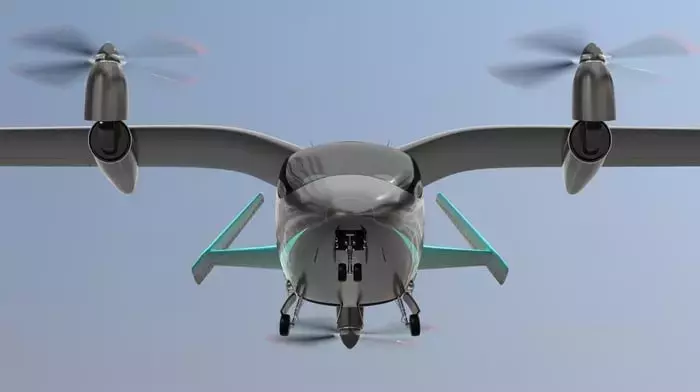
Archer Aviation is aggressively pursuing a vision to transform urban transportation and beyond through its innovative electric vertical takeoff and landing (eVTOL) aircraft. These flying air taxis represent a bold leap towards alleviating the persistent issues of urban congestion and offering more efficient travel alternatives. The company's focus extends to diverse applications, including seamless connectivity between cities and airports, thereby streamlining travel experiences and reducing commute times. Furthermore, Archer's technology is being explored for its potential in defense applications, particularly its 'Midnight' aircraft, which boasts a low noise profile ideal for stealth operations and efficient logistics for personnel and supplies.
This ambitious venture aims to tap into the burgeoning low-altitude mobility market, an sector that financial experts, including Morgan Stanley, project could reach a staggering valuation of up to $9 trillion. The core problem Archer seeks to solve is the inefficiency and high cost of traditional urban transport, where demand often outstrips supply, leading to elevated fares and prolonged travel times. By introducing a new mode of transit, Archer could offer a viable solution to these challenges, providing a faster and potentially more cost-effective way to navigate crowded environments. The company's strategic alliances, notably with United Airlines, highlight its intent to integrate its eVTOLs into broader transportation ecosystems, not just as a novel concept but as a practical, scalable solution for future mobility needs.
Navigating Financial Frontiers in a Nascent Industry
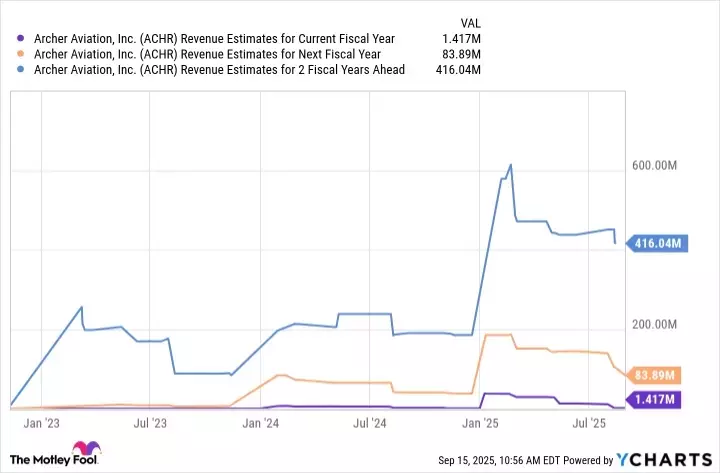
Archer Aviation operates within the demanding intersection of battery technology and aerospace, two sectors characterized by intensive capital requirements. This necessitates substantial investment in research, development, and manufacturing to bring its innovative eVTOL aircraft to fruition. Despite a current pre-revenue status, the company has successfully secured billions in purchase orders, signaling strong market confidence in its future commercial prospects. This backlog is a crucial indicator of anticipated revenue generation once production scales and aircraft deliveries commence. Analysts are optimistic about Archer's sales trajectory, forecasting significant growth as the company transitions from a development-focused entity to one with measurable financial performance.
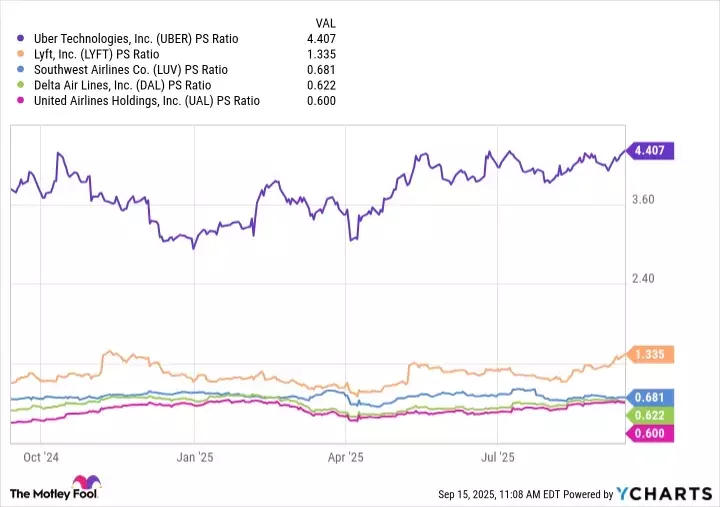
Assessing Archer's valuation presents unique challenges due to the early stage of the eVTOL market, which lacks established commercial benchmarks. To gain perspective, a comparison with mature industries like commercial airlines and ridesharing platforms reveals that Archer is currently valued at a premium. For instance, using projected 2027 revenues, the company's implied price-to-sales ratio is notably higher than that of its indirect peers. This elevated valuation reflects the market's expectation of disruptive growth, yet it also underscores the considerable risks involved. High development costs, prolonged time-to-market, complex regulatory landscapes, and the inherent challenges of customer adoption all pose significant hurdles. Consequently, while Archer offers considerable long-term upside for investors willing to embrace volatility, many may prefer to observe its progress from the sidelines until the business model matures and its commercial viability is unequivocally demonstrated.
