The prospect of airborne taxis eliminating traffic congestion and streamlining airport transfers, once confined to the realms of imagination, is now being actively developed by pioneers in electric vertical takeoff and landing (eVTOL) aircraft. Archer Aviation is a leading innovator in this sector, spearheading a shift in transportation paradigms. Their Midnight aircraft, in particular, represents a significant leap forward, merging the agility typically associated with helicopters with the environmental benefits of electric propulsion. As Archer Aviation's stock experiences market fluctuations, dipping below $10 per share, it presents a compelling moment for investors to assess its potential. Understanding the company's strategic direction and anticipated milestones is crucial to evaluating its investment appeal.
Archer Aviation's journey is characterized by aggressive development and strategic partnerships aimed at overcoming regulatory hurdles and scaling production. The company's financial health, marked by increasing cash reserves despite substantial quarterly losses, underscores the capital-intensive nature of this innovative industry. Its progress towards obtaining critical certifications in diverse international markets, coupled with ambitious production targets, highlights a clear path toward commercialization. However, the inherent risks associated with early-stage technological ventures, including potential delays and significant cash burn, necessitate a cautious yet optimistic outlook for those considering an investment in the future of urban air mobility.
Archer's Cutting-Edge Aircraft: Revolutionizing Transit
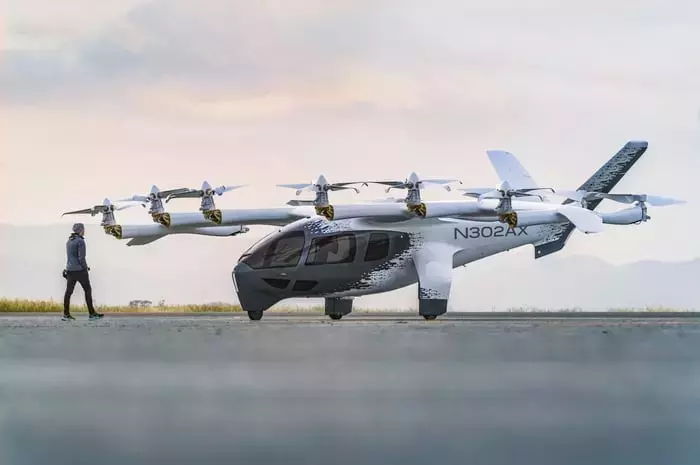
Archer Aviation is developing advanced electric vertical takeoff and landing aircraft, with the Midnight model standing as its signature innovation. This eVTOL technology aims to introduce aerial ride-sharing, envisioning a future where urban commutes are conducted in silent, electric-powered vehicles resembling drones, similar to an airborne version of ride-hailing services. The Midnight aircraft, built on a distinctive 12-tilt-6 distributed electric propulsion system, is designed for four passengers, features vertical takeoff capabilities from helipads, and utilizes a quiet, lithium-ion battery-powered motor, making it perfectly suited for city environments.
This innovative technology holds immense promise for urban transportation, facilitating rapid travel to and from airports and within metropolitan areas. Moreover, its potential extends to military applications, with the aircraft's minimal thermal and acoustic signatures making it ideal for missions such as reconnaissance, rescue operations, and other defense-related tasks. Archer is currently manufacturing six Midnight aircraft, with three already undergoing final assembly and featuring a four-blade rear propeller. The company plans to expand its fleet to eight Midnight aircraft in total and aims to produce up to ten units in the coming year to support certification testing and early deployments with key partners. The focus for the next year is on manufacturing piloted aircraft for testing and initial commercial use, with production expected to reach two aircraft per month at its Georgia facility by the end of 2025.
Upcoming Milestones and Financial Outlook for Archer
Archer Aviation is making significant strides toward commercialization, anticipating regulatory approval from the General Civil Aviation Authority (GCAA) in the United Arab Emirates this year. This approval is set to enable initial exhibition flights, which simulate passenger routes, with full commercial operations expected to commence in the region by late this year or early next year. In the United States, regulatory bodies are actively preparing for the deployment of air taxis, with Archer progressing through phase four of the Federal Aviation Authority’s (FAA) type certification process. The company completed the airworthiness criteria for its Midnight aircraft in May 2024 and awaits the resolution of an industry-wide flight test policy, which is expected to be finalized soon.
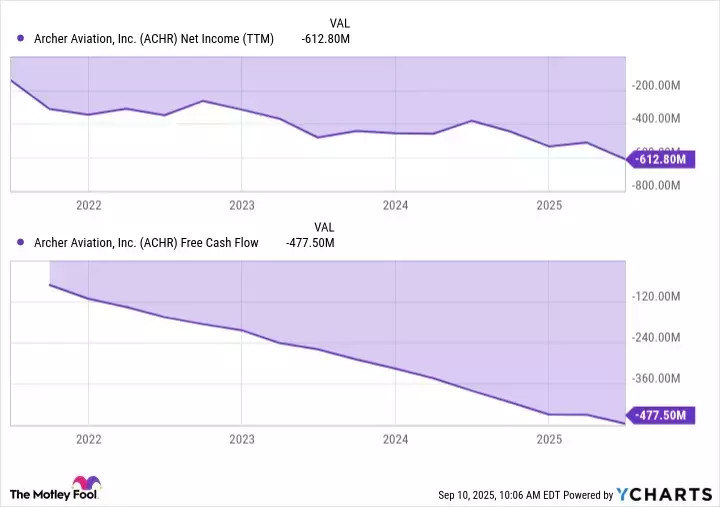
By 2026, Archer aims to dramatically increase its production and delivery rates for both domestic and international clients, striving for a positive gross margin per aircraft. The subsequent year, 2027, targets achieving a positive operating margin, with a goal of approximately 50% gross margin per aircraft. Looking further ahead to 2028, the company plans to reach full manufacturing capacity, producing 650 aircraft annually, alongside an operating margin of 20% or more. From a financial perspective, Archer ended the second quarter with $1.7 billion in cash and cash equivalents, marking a fourth consecutive quarter of increased cash reserves. This robust cash position is vital given the capital-intensive nature of its operations. Despite a $206 million loss in the second quarter and its pre-revenue status, the company continues to invest heavily in operational, research, and development costs as it works towards certification and scales its manufacturing capabilities, making its cash management a crucial aspect for investors to monitor.
