This report covers a series of peculiar events and criminal activities that have recently plagued the international art world, ranging from high-profile museum heists to acts of artistic vandalism. It delves into the details of a significant theft at the Louvre, an unfortunate incident at the Metropolitan Museum of Art, and an unusual defacement of public art in Australia. Additionally, the report examines a large-scale art theft in California and the curious case of a missing Picasso painting that reappeared under unexpected circumstances. These varied incidents reveal the ongoing challenges in protecting valuable artworks and the often-unpredictable nature of art-related mischief.
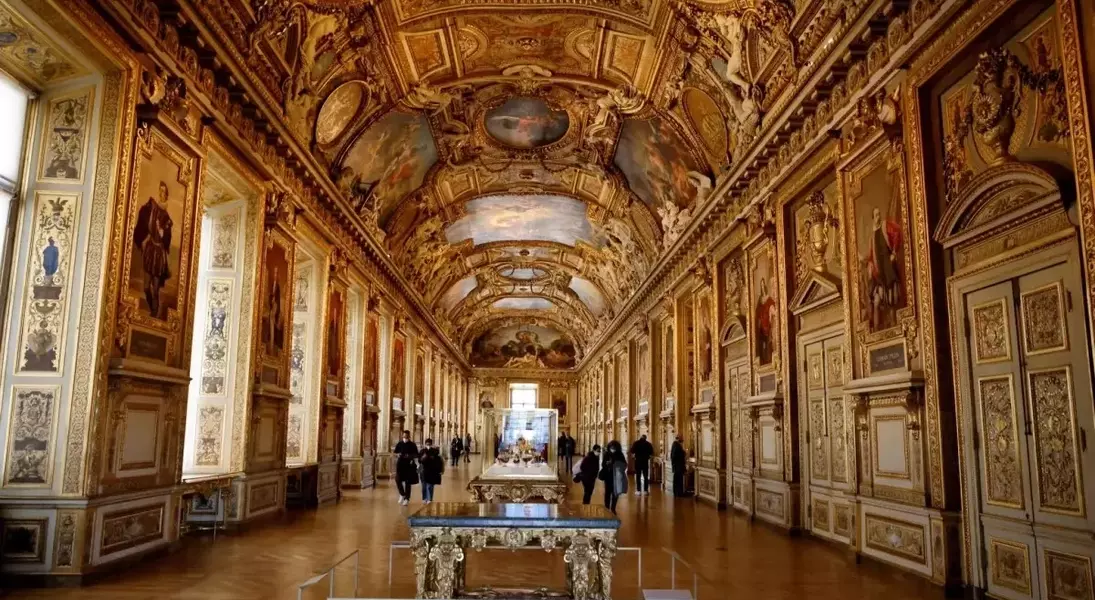
The Louvre Museum recently experienced a notable security breach, which has since captured public attention, even inspiring Halloween costumes. One of the individuals apprehended in connection with this heist is Abdouldaye N, an online personality known as 'Doudou Cross Bitume.' Reports indicate that Abdouldaye, a former security guard at the Centre Pompidou, gained notoriety through his social media presence, despite having a relatively small following. A peculiar detail emerging from the investigation is that the museum's security system password was reportedly a simple 'Louvre,' raising questions about the institution's cybersecurity protocols. Surveillance footage also linked the suspects to a distinctive Yamaha TMax scooter, the same model frequently showcased by Abdouldaye in his online content, further complicating the narrative of the art crime.
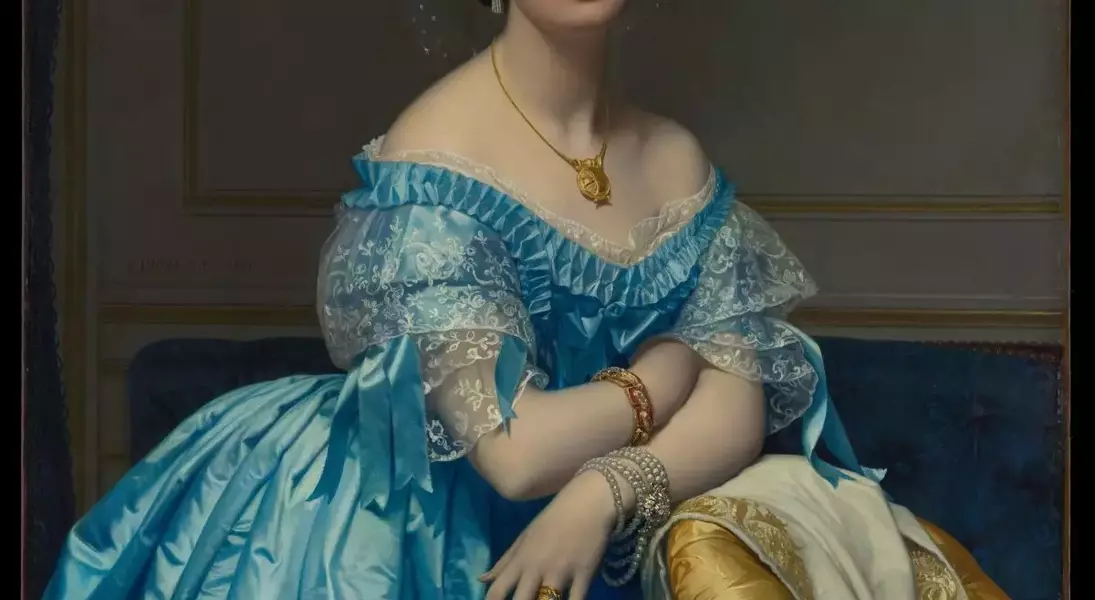
Meanwhile, in New York, the Metropolitan Museum of Art was targeted by a 19-year-old visitor who allegedly damaged several exhibits just before closing time on November 3. Although specific details regarding the damaged artworks are still emerging, media outlets have reported that water was thrown on Jean-Auguste-Dominique Ingres's 'The Princesse de Broglie' and Girolamo dai Libri's 'Madonna and Child with Saints.' Authorities have charged the individual with criminal mischief, underscoring the ongoing vulnerability of cultural institutions to acts of vandalism.
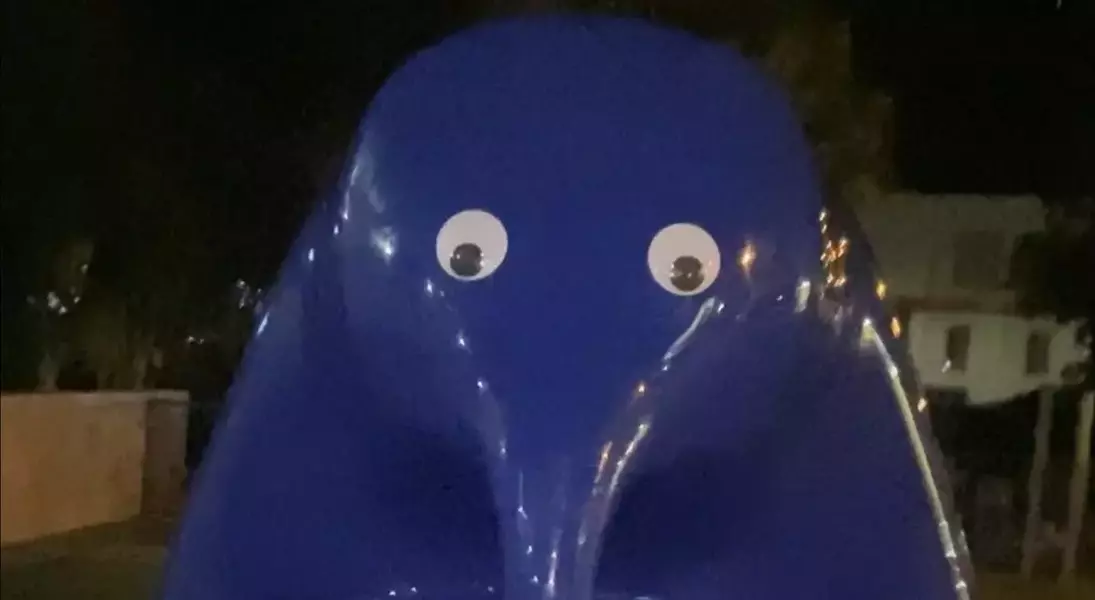
Across the globe in Australia, a 19-year-old woman faced legal action for attaching 'googly eyes' to 'Cast in Blue,' a public sculpture valued at $89,000, designed by architects Tom Proctor and Mitch Walker. While the act itself might seem trivial, the subsequent removal of the googly eyes resulted in damage to the sculpture's blue paint, highlighting the unintended consequences of such playful interventions. This incident brings to light discussions around the protection of public art and the fine line between artistic expression and defacement.
In a separate incident, the Oakland Museum of California reported a large-scale theft involving approximately 1,000 collection items from an off-site storage facility last month. Authorities have since released surveillance footage showing two individuals surveying the storage location, though the video does not capture the actual removal of the vast number of artifacts. This incident has raised concerns about the security of off-site storage facilities used by museums and the challenges of safeguarding extensive collections.
On a lighter note, a miniature painting by Pablo Picasso, previously reported missing in Spain, was found by an unassuming neighbor named Dolores. The artwork, which was en route to a Granada museum, had accidentally been picked up by Dolores, who mistook it for one of her own packages. This mix-up, which prevented the painting from ever reaching the delivery van, led to a humorous resolution and provided Dolores with a memorable, albeit anxiety-inducing, story to share with the press.
These incidents collectively highlight a dynamic and sometimes chaotic week in the art world, featuring both serious crimes and peculiar events that test the boundaries of security, preservation, and public interaction with art. From high-tech heists to accidental discoveries, the narrative underscores the constant vigilance required to protect cultural heritage while also reflecting the human element of error, mischief, and unexpected resolutions.