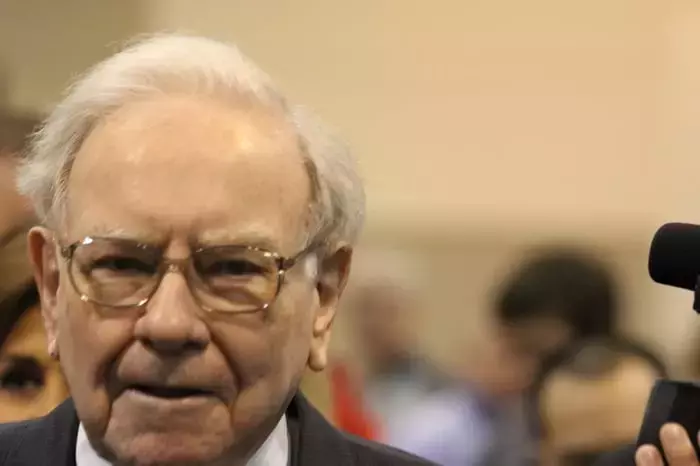
Berkshire Hathaway, under the leadership of Warren Buffett, has long been celebrated for its exceptional long-term investment track record, boasting returns exceeding 5,500,000% since the 1960s. However, Buffett himself, in his 2014 letter to shareholders commemorating his 50th year at the helm, tempered expectations by suggesting that future returns might not mirror the spectacular growth of the initial half-century. This foresight acknowledged the company's colossal scale, implying that the days of 100-fold or even 10-fold returns within a short timeframe were likely behind it.
Despite these conservative projections and its recent entry into the trillion-dollar market capitalization club, Berkshire Hathaway's performance in the last five years has been notably robust. An investment of $10,000 made five years ago would now be valued at approximately $22,300, translating to a total return of 123%, or an impressive annualized return of over 17%. What makes this achievement even more remarkable is that Berkshire not only surpassed the S&P 500's total return of 110% (approximately 16% annualized) during the same period but did so with significantly reduced volatility, as indicated by its beta of 0.77. This outcome perfectly aligns with Buffett's vision for the conglomerate: a performance that consistently edges out the broader market without the dramatic fluctuations often associated with high-growth investments.
Berkshire Hathaway's ability to deliver substantial, yet stable, returns in recent years underscores the enduring strength of its diversified portfolio and the wisdom of its investment strategy. This steady growth, coupled with lower volatility, serves as a testament to the company's resilience and its capacity to create significant value for shareholders, even as its sheer size might suggest otherwise. It exemplifies a measured approach to wealth creation, focusing on long-term value and consistent outperformance rather than speculative gains.
