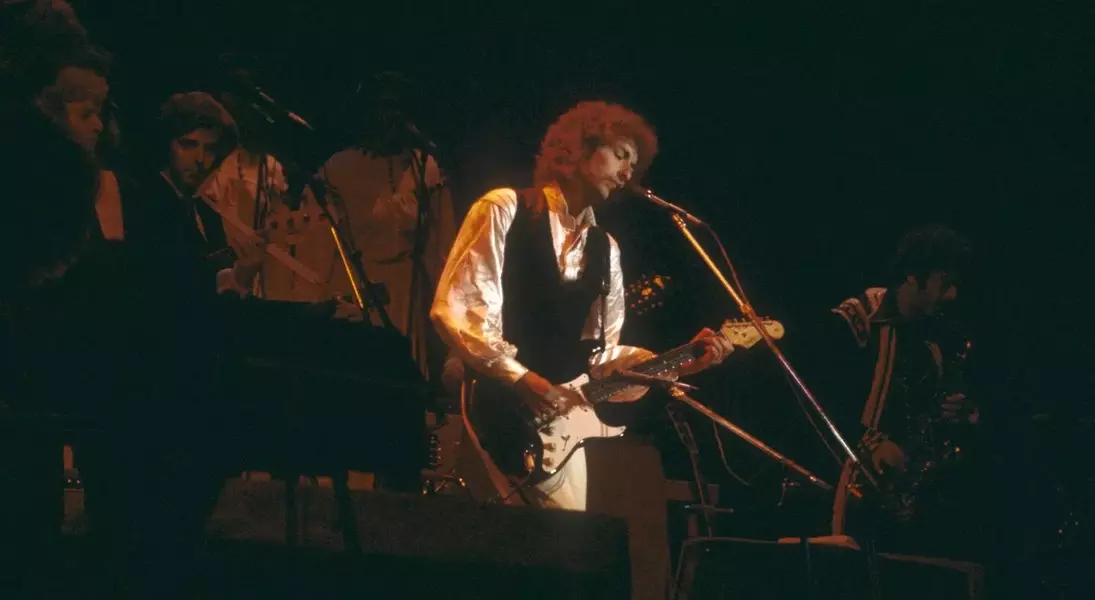
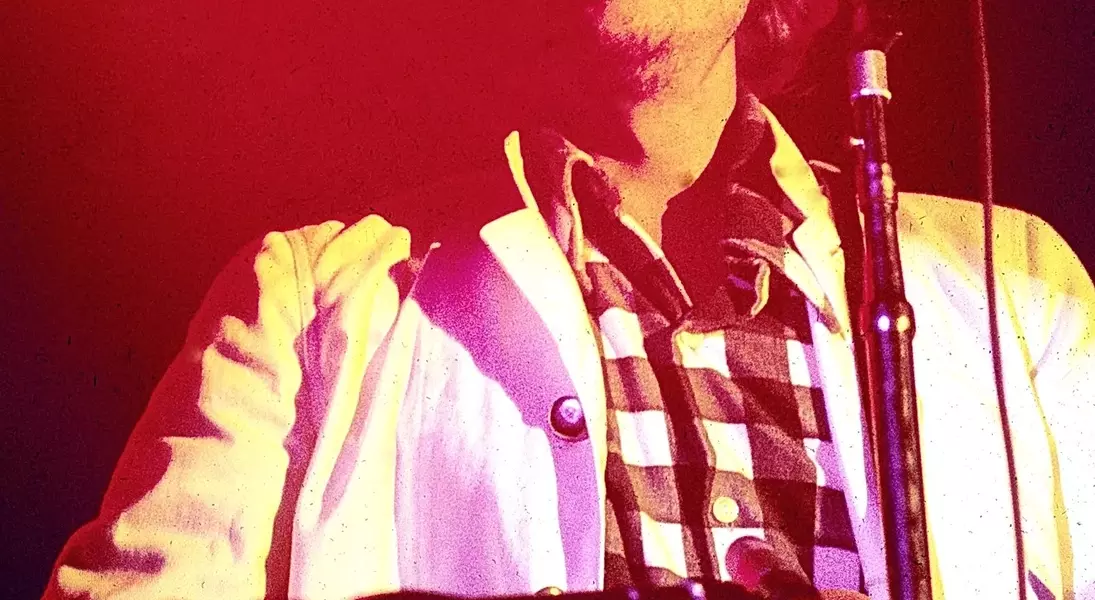
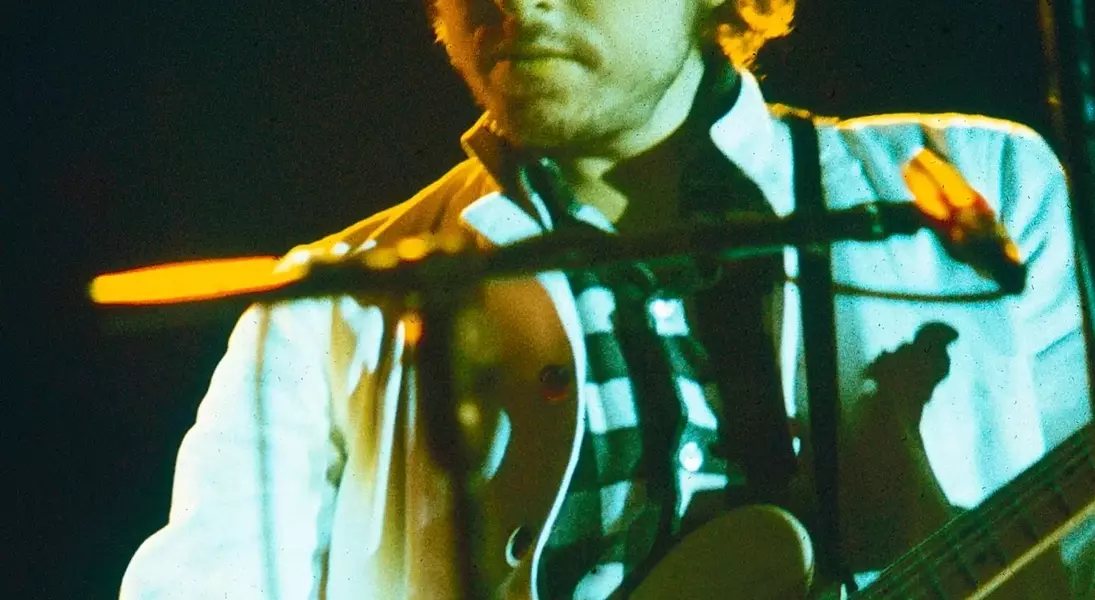
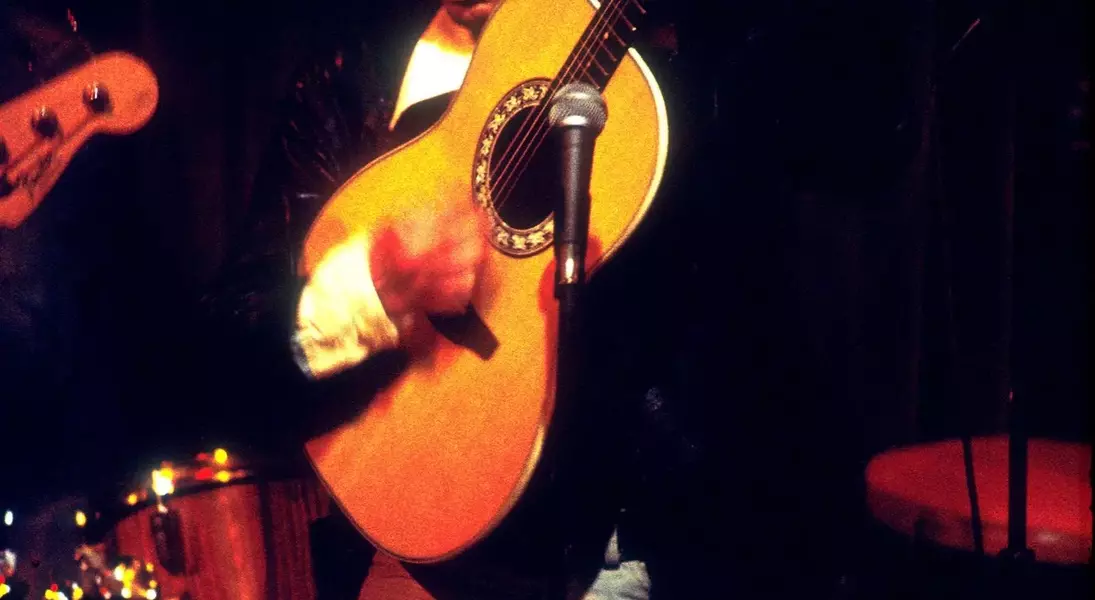
This extensive review examines the recently released box set, 'The 1976 Live Recordings,' offering an unparalleled auditory journey into Bob Dylan's iconic Rolling Thunder Revue. The collection presents an exhaustive chronicle of almost every moment from nearly every performance of this legendary tour, providing fans with an intimate look into a pivotal period of Dylan's artistic evolution.
Unearthing the Depths: Bob Dylan's 1976 Live Recordings – A Journey Through Raw Emotion and Musical Evolution
The Unveiling of a Mammoth Collection: First Impressions and Initial Challenges of Accessing Dylan's 1976 Live Recordings
The arrival of 'Rolling Thunder Revue — The 1976 Live Recordings' was a rather understated affair, marked by a simple email containing a link to an online stream. This digital gateway led to a minimalist Sony Music webpage, where a small window displayed an extensive list of 381 tracks, each identified by a long, complex filename. This method of presentation, featuring generic file names like 'Bob Dylan_The Rolling Thunder Revue The 1976 Live Recordings_G0100060414779_01_01_Visions of Johanna_USSM12603067_CT122,' hardly offered an inviting initial experience for what turned out to be over 31 hours of previously unreleased music. It quickly became clear that this was not the most intuitive way to engage with such a significant body of work from the Bob Dylan archives, hinting at the sheer scale and raw nature of the compilation.
Navigating the Expansive Soundscape: Engaging with 31 Hours of Dylan's Historic Performances
This immense collection, akin to its predecessors in the 'Live Recordings' series, meticulously documents almost every second of every performance from Bob Dylan's legendary 1976 tour. It presents a comprehensive, unedited account of the concerts, offering listeners every available recorded moment, regardless of its artistic merit or appeal. For devoted Dylan enthusiasts, often referred to as 'Dylan mujahideen' due to their unwavering commitment, this release represents a thrilling, interactive journey. It functions as a 'choose-your-own-adventure' experience, allowing fans to explore various tour stops at their leisure. Listeners can pinpoint specific moments, such as the debut recording of 'Idiot Wind' from St. Petersburg on April 23, 1976, or the sole performance of 'Dink's Song' in Gainesville on April 25, 1976. Alternatively, one can immerse themselves in entire standout shows, like the powerful Oklahoma City concert on May 18, 1976, or embark on a marathon listening session starting with Lakeland on April 18, 1976, fully prepared for the extensive musical expedition.
The Transformative Shift: Contrasting the Raw Energy of the 1975 Rolling Thunder Revue with the Evolved 1976 Incarnation
While the sheer volume of new Bob Dylan material is undeniably exciting, these extensive tour retrospectives can be daunting. This is particularly true for 'The 1976 Live Recordings,' which captures a markedly different iteration of the Rolling Thunder Revue compared to its vibrant 1975 debut. The initial tour was characterized by an electric camaraderie, spontaneous artistry, and an almost carnival-like atmosphere, often associated with its distinctive whiteface makeup and symbolic roses. In contrast, the 1976 version, described with evocative imagery of 'halitosis and head scarves,' presented a more subdued, and arguably less polished, experience. Dylan had previously achieved a remarkable creative peak with the first Rolling Thunder, seamlessly blending the filming of an autofictional art film with an attempt to mend his strained marriage, all while delivering electrifying performances that captivated audiences and critics alike. The 1975 tour was a phenomenon, a testament to Dylan's artistic vitality, solidifying his reputation as a transformative force in rock music following a prolific period that included 'Planet Waves,' 'Blood On The Tracks,' and 'Desire,' alongside the 'Before The Flood' tour.
From Spontaneity to Scale: The Evolution of Rolling Thunder Revue from Intimate Gigs to Grand Arena Productions
Driven by the immense success and positive reception of the initial tour, Bob Dylan naturally reconvened his band for a second installment the following year. The first Rolling Thunder Revue was an experimental endeavor, fueled by an infectious spirit of spontaneity and collective enthusiasm. Its 'let's put on a show!' ethos was evident in the last-minute tour announcements and the choice of unconventional venues like college gymnasiums and local halls across New England. This improvisational approach was integral to its unique charm, yet it also limited the tour's reach. The 1976 sequel, however, was conceived as a much grander, more professional operation. It featured meticulous production, extensive rehearsals, and took place in large, cavernous coliseums primarily across the American South. This strategic shift aimed for broader accessibility, though it invariably altered the intimate energy of the earlier shows. The larger venues inevitably diffused the raw intensity that characterized the 1975 performances, resulting in a sound that was thicker and less untamed. The dynamic shifted from the agile, dodging bantamweight of '75 to the more deliberate, powerful heavyweight of '76.
The Heart of the Tour: 'Blood On The Tracks' and the Personal Resonance of Dylan's 1976 Setlists
A notable change in the 1976 setlists was the removal of several key tracks from 'Desire,' such as 'Hurricane' and 'Sara,' in favor of material from 'Blood On The Tracks.' This shift was highly significant, as the selected songs from 'Blood On The Tracks' intimately mirrored the emotional turmoil of Dylan's failing marriage. Many shows featured some or all of these deeply personal songs: 'Tangled Up In Blue,' a narrative of missed opportunities and destiny's cruel hand; 'You're A Big Girl Now,' a disillusioned successor to 'Positively 4th Street'; 'Idiot Wind,' often considered the ultimate breakup anthem, expressing both a farewell to a past lover and a past self; and 'You're Gonna Make Me Lonesome When You Go,' a poignant tune reportedly inspired by a young A&R representative Dylan was involved with. Unsurprisingly, Sara Dylan initiated divorce proceedings early the following year, underscoring the raw, autobiographical nature of these performances. These tracks became the emotional core of the 1976 tour, with Dylan pouring his soul into their delivery.
Unveiling the Musical Landscape: Hits, Misses, and the Raw Authenticity of Dylan's 1976 Performances
Upon listening to the 'The 1976 Live Recordings,' it becomes clear that the live renditions of songs from 'Blood On The Tracks' form the very essence of this collection. Dylan's profound personal connection to these compositions is palpable; his performances of 'Idiot Wind' and 'Shelter From The Storm' are consistently highlights, while 'Tangled Up In Blue' always offers something compelling, even when it occasionally leans towards melodic unconventionality. The remaining material, however, proves to be a mixed bag. A prime example is the April 22, 1976, taping for 'The Midnight Special' television program, which conspicuously omits any tracks from 'Blood On The Tracks.' Instead, Dylan and his band meander through a condensed selection of greatest hits, seemingly an attempt to appeal to a broader audience and network executives. This 'Dylan pupu platter'—a mix of protest songs, mid-sixties rockers, and a few contemporary pieces—lacked genuine emotional investment from Dylan and his collaborators, including Joan Baez, Bobby Neuwirth, and Roger McGuinn. Dylan himself was dissatisfied, refusing to let the performance air, a decision that, in hindsight, appears to have been sound.
A Comparative Analysis: The Curated Brilliance of 'Through The Open Window' Versus the Unfiltered Vastness of the 1976 Recordings
It's hard not to draw comparisons between 'The 1976 Live Recordings' and last year's release from Bob Dylan Industries, 'Through The Open Window: The Bootleg Series Vol. 18 1956-1963.' While that volume covered familiar territory—Dylan's early days in the Greenwich Village folk scene—producers Sean Wilentz and Steve Berkowitz expertly crafted a coherent and captivating collection from over a hundred tracks. The result was an intentional, engaging, and ultimately essential listening experience, despite its extensive length. Unfortunately, the same cannot be said for this latest set. Personally, I find the 1976 Bob Dylan far more compelling than his 1962 counterpart, preferring the seasoned complexity of his later work. However, the listening experience of 'The 1976 Live Recordings' feels less fulfilling than 'Through The Open Window.' Engaging with Sony Music's promotional portal often feels like pulling a slot machine lever; sometimes there's a jackpot, like a revised 'Going Going Gone' with lyrics hinting at Joan Baez, but just as often, it yields unremarkable, routine versions of tracks like 'Oh Sister.' It's worth noting that 'The 1976 Live Recordings,' unlike its predecessors from the 1966, 1974, and 1975 tours, is not marketed as part of 'The Bootleg Series,' which established a high standard for classic rock box sets with its deep, impeccably sequenced volumes.
The Unveiling of the Vault: Copyright, Curation, and the Commercial Imperatives Behind Dylan's Extensive Releases
Regardless of its specific merits, 'The 1976 Live Recordings' will not achieve the legendary status of other definitive Dylan collections. Instead of offering a carefully curated selection of highlights from the 1976 tour, Bob Dylan Industries has simply opened its vault, akin to William Mulholland's declaration at the opening of the Los Angeles Aqueduct: 'There it is, take it.' Much of this material has already been available for years among devoted fans via message boards like Expecting Rain. My hope for a tape of the Salt Lake City show (May 25, 1976), featuring the only known performance of 'Lily, Rosemary, and the Jack of Hearts,' was unfulfilled, suggesting its recording remains undiscovered. This lack of genuinely new material is a central disappointment. However, introducing new discoveries was never the primary goal, nor was crafting a narrative like 'Open Window.' While such releases undoubtedly raise the cultural profile of Rolling Thunder '76, especially among less fervent Dylan fans who primarily use platforms like YouTube, this is merely a positive side effect. The true motivation is purely legal: to maintain and extend copyright. EU law dictates that recordings published within 50 years of creation are protected for 70 years after publication. Missing this deadline means the recordings enter the public domain. This legal imperative explains the recent decade of releases from Dylan's archives: 'The 1966 Live Recordings' in 2016, 'The 1974 Live Recordings' in 2024, and now 'The 1976 Live Recordings' in 2026. Sony Music is clearly committed to maximizing the commercial potential of these valuable assets.
The Unfiltered Archive: Financial Logic Versus Artistic Curation in Bob Dylan's Extensive Catalog Releases
The overarching philosophy of Bob Dylan Industries appears to be that every piece of music Dylan has ever created is worth preserving and retaining ownership over. There's a pragmatic, almost clinical, rationale behind these comprehensive box sets, one that places financial considerations above the intrinsic musical value. The 1976 material could greatly benefit from a discerning curator, someone dedicated to sifting through the vast collection to highlight its best moments. Releasing the complete Fort Worth show on streaming services, for example, is a poor substitute for such careful editorial work. This meticulous curatorial approach is what elevated releases like the inaugural 'Bootleg Series' and 'Through The Open Window' into powerful, cohesive collections. However, in this instance, such an approach would result in an incomplete copyright arrangement, leading to the current, all-encompassing release.
Anticipating Future Treasures: The Enduring Legacy and Forthcoming Archival Releases of Bob Dylan's Extensive Career
Despite any criticisms, I find myself largely content with 'The 1976 Live Recordings,' even if it occasionally feels like an overwhelming abundance of material. In fact, this release fuels my anticipation for future archival projects as later Dylan tours approach their semicentennial. I've long been fascinated by the 1978 performances, characterized by their radically glitzy arrangements, potent tracks from 'Street-Legal,' and Dylan's distinctive ruffled shirts. While the 'At Budokan' live album documented an early phase of this tour, the most compelling performances emerged later, as Dylan refined his grand, big-band sound into something truly soulful and intense. I would eagerly await a hypothetical 50-disc 'The 1978 Live Recordings' set. Beyond that, there are the gospel tours of '79 and '80, the 'Bob Is Back' tour of '81, and the distinct 'butt rock and eyeliner' era of '84, to name just a few. The crucial takeaway is that this invaluable music exists, and it is now being made accessible to the public. Copyright holders and devoted Dylan enthusiasts can certainly agree on this shared outcome, even if our individual motivations and takeaways from releases like 'The 1976 Live Recordings' differ. As the saying goes, we always felt the same; we just saw it from different perspectives.