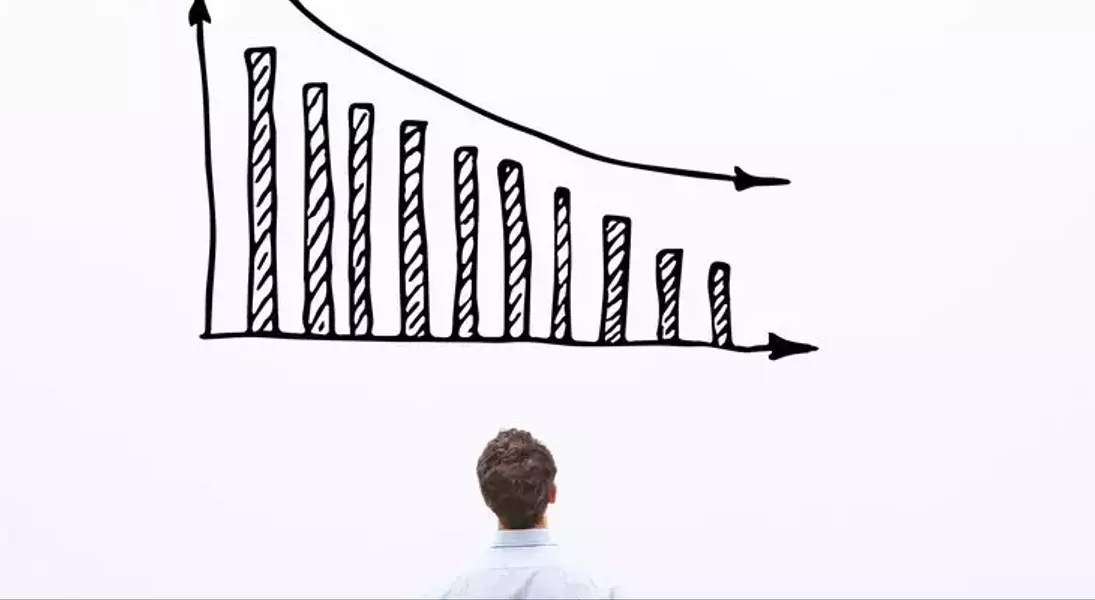
Following their peak performance in 2023-2024, Certificate of Deposit (CD) rates are currently in a state of decline. Market experts project that these rates could experience substantial further reductions if the Federal Reserve proceeds with multiple interest rate cuts this year. Historically, such periods have seen rates fall more rapidly than many savers might anticipate. For individuals aiming to secure competitive yields, understanding these shifts and considering alternative savings vehicles like high-yield savings accounts becomes paramount.
Anticipated Decline in CD Rates Amidst Federal Reserve Adjustments
As of late 2025, financial analysts are closely monitoring the landscape of Certificate of Deposit (CD) rates, projecting a notable decline from their recent highs. Jake FitzGerald, an Editorial Strategist at Motley Fool Money, highlights that after reaching peaks between 4% and 5% in 2023-2024, yields on 1-year CDs are expected to recede to the mid-3% range by 2026. A more aggressive stance from the Federal Reserve, involving multiple rate cuts, could even push these yields closer to 2%.
This anticipated downturn is primarily driven by the Federal Reserve's policy adjustments. The Fed commenced trimming its benchmark interest rate in the autumn, a move designed to counteract slowing economic growth. This action reverses the trend observed in 2022 and 2023, when rising borrowing costs compelled banks to offer higher interest rates to attract deposits, thereby boosting CD yields. With declining borrowing costs, banks face less pressure to attract deposits with high interest rates, leading to a corresponding drop in CD rates.
Historical data serves as a stark reminder of how quickly rates can fall. During the last significant cutting cycle in 2019, average 1-year CD rates hovered around 2.5%. However, by mid-2020, following emergency Federal Reserve interventions during the pandemic, these rates plummeted to approximately 0.2%. While a return to such extreme lows is not widely expected unless there is a severe economic downturn, the historical pattern underscores the speed at which rates can decline once cuts are initiated.
Currently, some financial institutions continue to offer competitive 12-month CD rates around 4.00% APY. Nevertheless, these attractive offers are likely to dissipate swiftly if the Federal Reserve implements further rate reductions later in the year. By the close of 2025, many specialists foresee average CD rates settling in the 3% vicinity. Longer-term CDs may experience even more significant drops as market participants factor in future Fed actions.
In light of these projections, savers are encouraged to evaluate alternatives. While CDs remain a viable option for securing a guaranteed yield, high-yield savings accounts (HYSAs) offer similar rates to short-term CDs but with the added benefit of liquidity. Although HYSA rates will also decrease, they provide greater flexibility for savers to access their funds if market conditions evolve. Many financial advisors advocate for a diversified approach, combining CDs to lock in current higher yields with HYSAs to maintain accessible funds.
Strategic Financial Planning in a Declining Rate Environment
The current financial climate emphasizes the critical importance of timely decision-making for savers. With interest rates in a discernible downward trend, delaying action could result in considerably lower returns on investments. Those aspiring to secure yields near 4% have a finite window of opportunity to capitalize on the diminishing higher rates. Proactive engagement with financial planning, including exploring both CD and high-yield savings options, is crucial to navigate this evolving economic landscape effectively and preserve investment value.
