Transitioning to a career as a truck driver can be accessible and structured. CDL training programs combine classroom instruction, range practice and supervised on-road experience to prepare candidates for commercial driving roles—even without prior long-haul experience.
Relatedsearches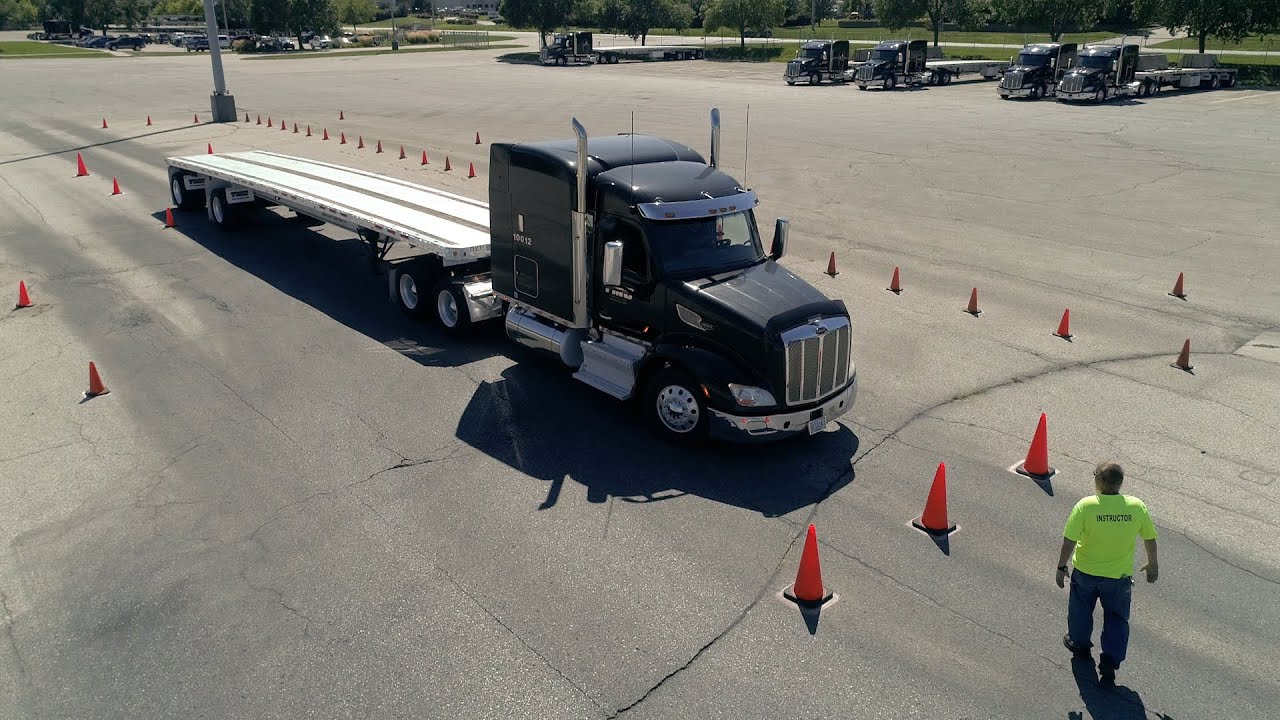
Industry Demand: driver shortage and hiring needs
Relatedsearches
- The American Trucking Associations (ATA) and industry reports identify a persistent driver shortfall: sources cite a current gap of around 60,000 drivers and projections that this shortfall could reach 82,000 by year-end, with some longer-term forecasts warning of shortages rising toward 160,000 by 2030.
- Annual hiring needs are large: industry coverage notes that replacing retirees and meeting growth may require tens of thousands of new hires each year.
CDL training categories and typical durations
Below are the common program classifications used across U.S. training providers, with typical calendar or logged-hour characteristics. Actual offerings vary by provider and state requirements.
1.Short-term intensive school phase (calendar several weeks)
- Description: Concentrated classroom instruction plus range (yard/backing) practice, designed to prepare candidates for permit and range skills. Example provider school phases often list a multi-week school block (for instance, five weeks of school followed by supervised driving weeks).
2.Medium-term comprehensive programs (calendar ~1–3 months)
- Description: Extended classroom and range modules combined with a defined supervised driving period measured in weeks and in logged on-road hours; includes preparation for CDL knowledge and skills tests and sometimes additional endorsements.
3.Longer professional development tracks (calendar 3–12 months)
- Description: Programs that integrate classroom/range learning with longer road mentoring, additional endorsements (tankers, hazmat), and staged career onboarding; suited to candidates who require part-time scheduling or extended supervised hours before solo operations. Some carrier pathways describe multi-month total timelines when road mentorship and probationary periods are included.
4.Part-time / evening or modular training (calendar several months)
- Description: Scheduling built for working trainees who attend evening/weekend classes or spread instruction across a longer calendar period; logged hours for range and road time are completed in stages. Community college or vocational school delivery often follows this model.
5.Institutional / academic programs (semester or multi-term)
- Description: College credit or associate-level programs that embed commercial driving training within wider transportation or logistics curricula; calendar time typically aligns with academic semesters (several months to a year) and may include internships.
6.Endorsement add-ons and qualification modules (variable hours)
- Description: Additional modules for endorsements (e.g., tanker, double/triple, hazardous materials) that require separate classroom, practical exercises and testing; these typically add days to weeks depending on the endorsement.
Note: sample provider pages show school-phase lengths and post-school supervised driving hours as part of total program time; trainees should confirm a provider’s stated calendar and logged road-hour requirements.
Example CDL training providers / companies
- Prime Inc. — Company-run school phase + supervised driving; advantage: direct carrier placement pathways.
- Schneider National — Corporate training centers and mentorship; advantage: broad national hub network for placements.
- Swift Transportation — Multi-center training with staged on-road mentoring; advantage: established trainer network and regional scale.
- Roehl Transport — Structured school and graded route assignments; advantage: emphasis on stepwise skill progression.
- CR England — Academy plus specified road-training hours; advantage: clearly stated road-time requirements tied to readiness.
Salary progression & job outlook
- Job-market aggregators report a median hourly figure for heavy and tractor-trailer drivers near $23.23/hr (≈ $48,310/yr) with regional and carrier variation.
Daily duties & core training components
- On the road: operate Class A vehicles on regional or long-haul routes; pre/post-trip inspections; load securement; recordkeeping and coordination with dispatch.
- Classroom & range: vehicle control (backing, maneuvering), federal/state regulations, hours-of-service rules, safety protocols, basic vehicle maintenance and defensive driving.
How to pursue CDL training
- Select a training provider or carrier program and review its stated classroom/range/on-road schedule and completion requirements.
- Meet common eligibility requirements: typically age 21+ for interstate driving, valid driver’s license, acceptable driving record and a DOT physical.
- Apply and interview per the provider’s process.
- Complete classroom, range, and supervised driving phases as specified by the program; finish required testing to obtain a CDL and any endorsements.
Data sources (all links cited above)
- https://altline.sobanco.com/truck-driver-shortage/
- https://northamerica.visionmagazine.com/the-economic-factors-fueling-the-trucker-shortage/
- https://www.ttnews.com/articles/ata-says-truck-driver-shortage-course-double-decade
- https://www.truckingdive.com/news/truck-driver-shortage-2023-ata-conference-costello/696710/
- https://www.indeed.com/career/tractor-trailer-truck-driver/salaries
- https://wilsonlogistics.com/drivers/driver-career-paths/cdl-training-program/
- https://cdl-cda.com/courses-and-program/
- https://www.jrayl.com/Apprenticeship
