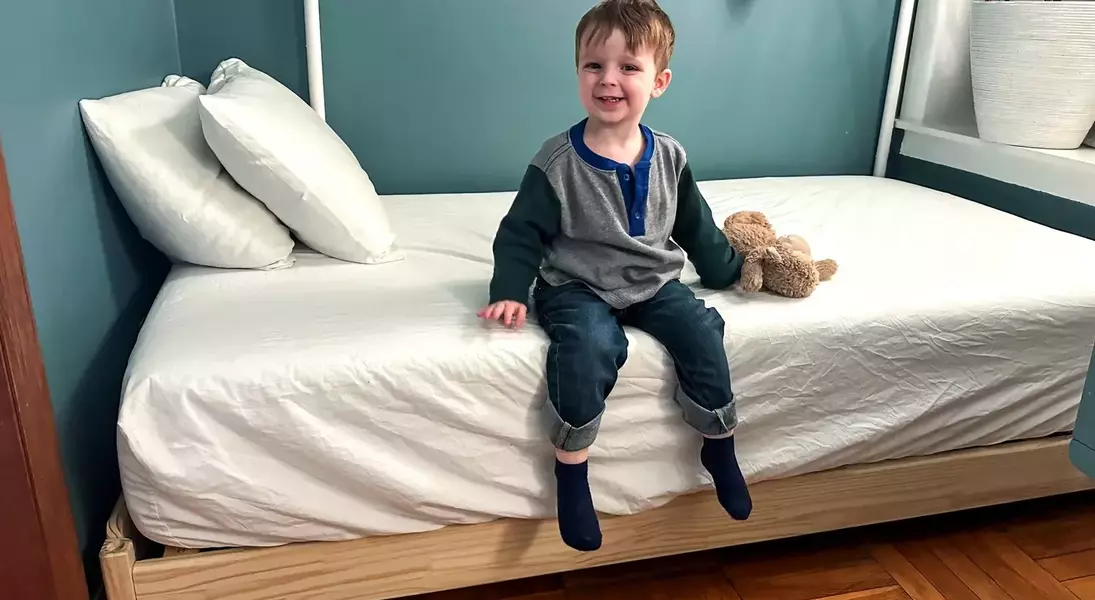
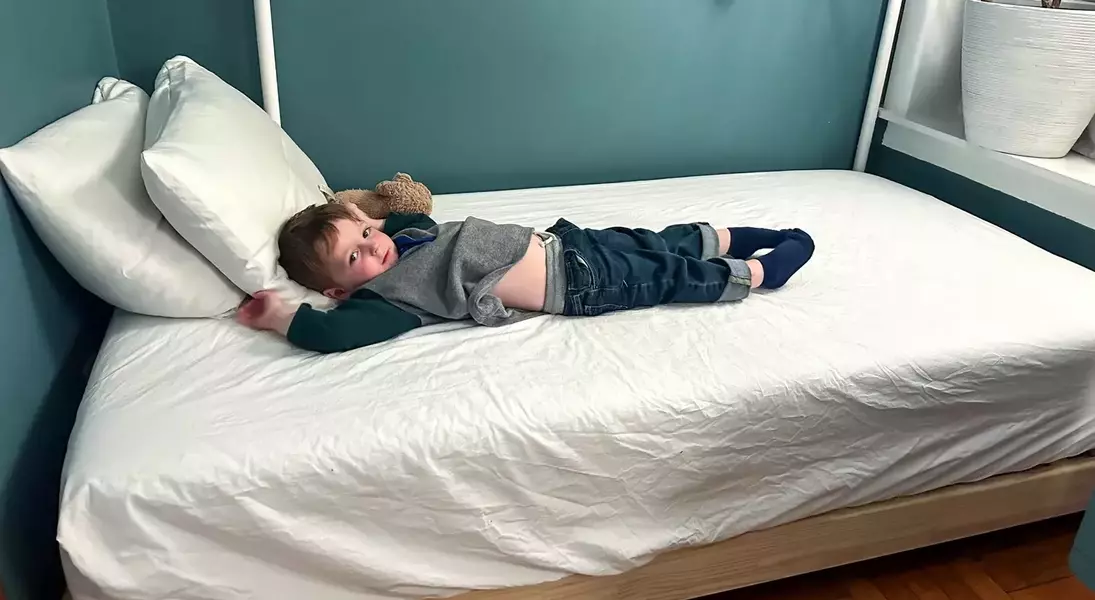
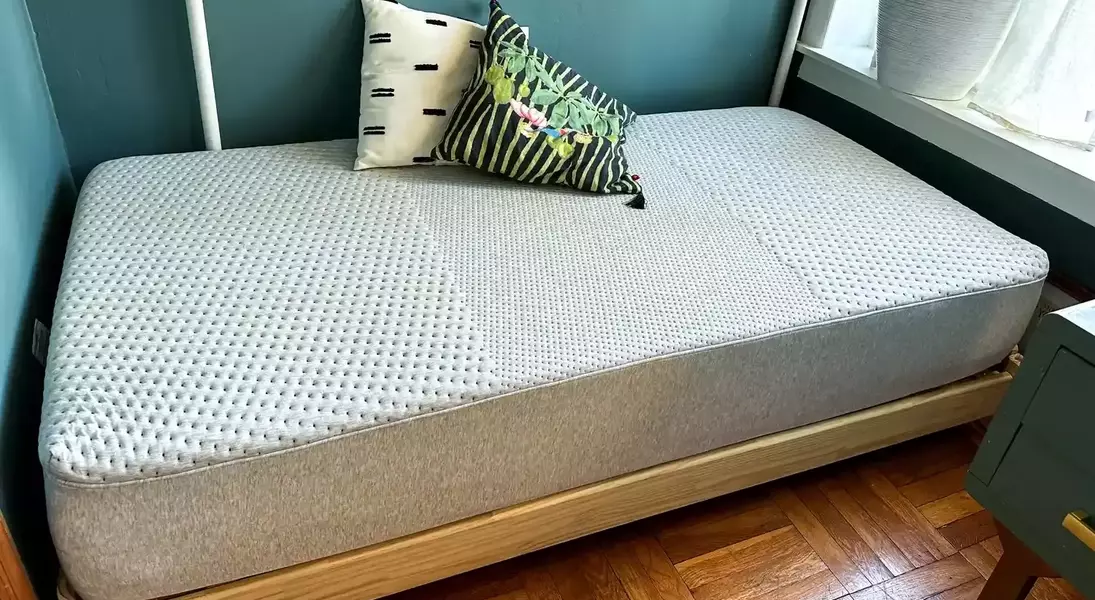
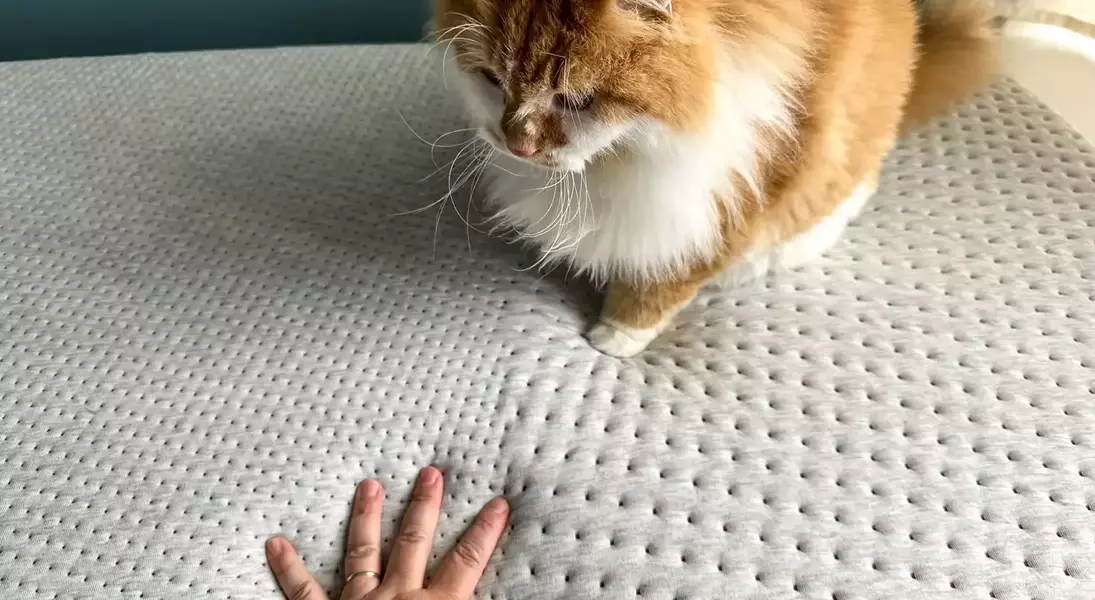
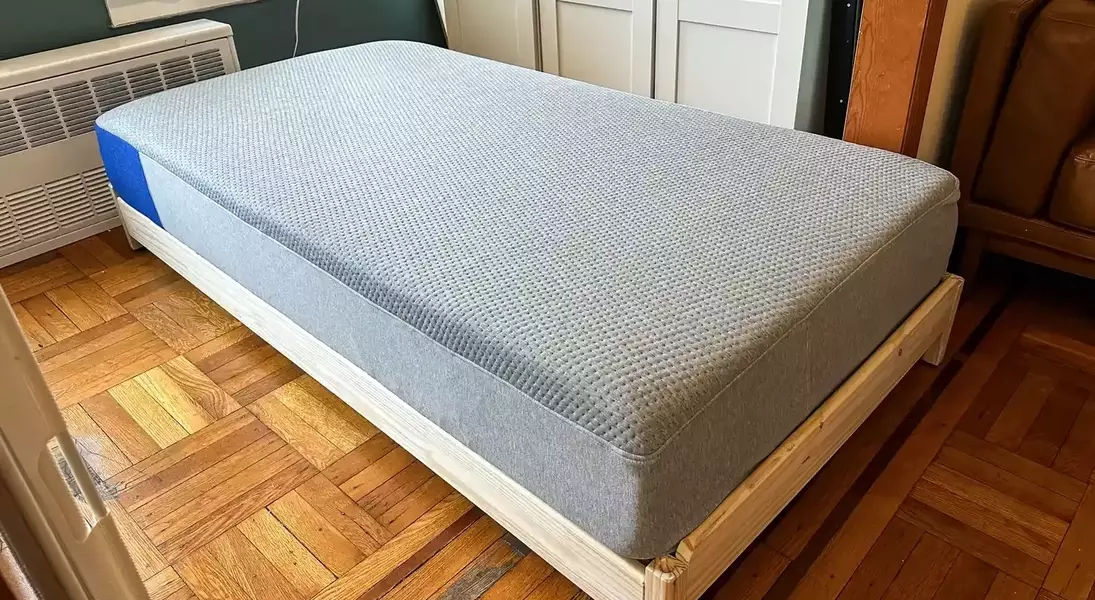
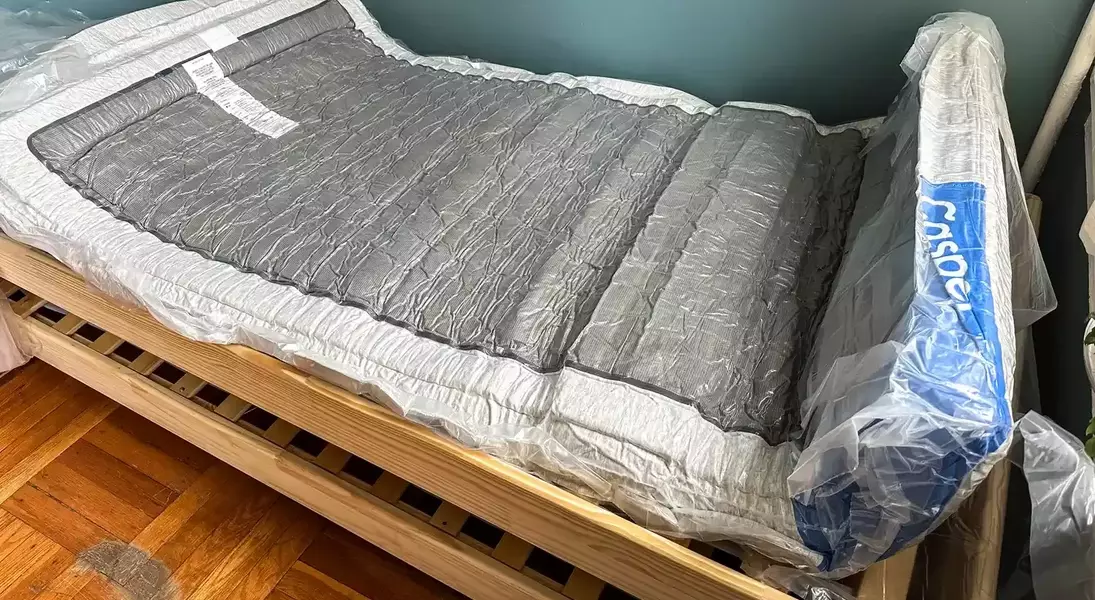
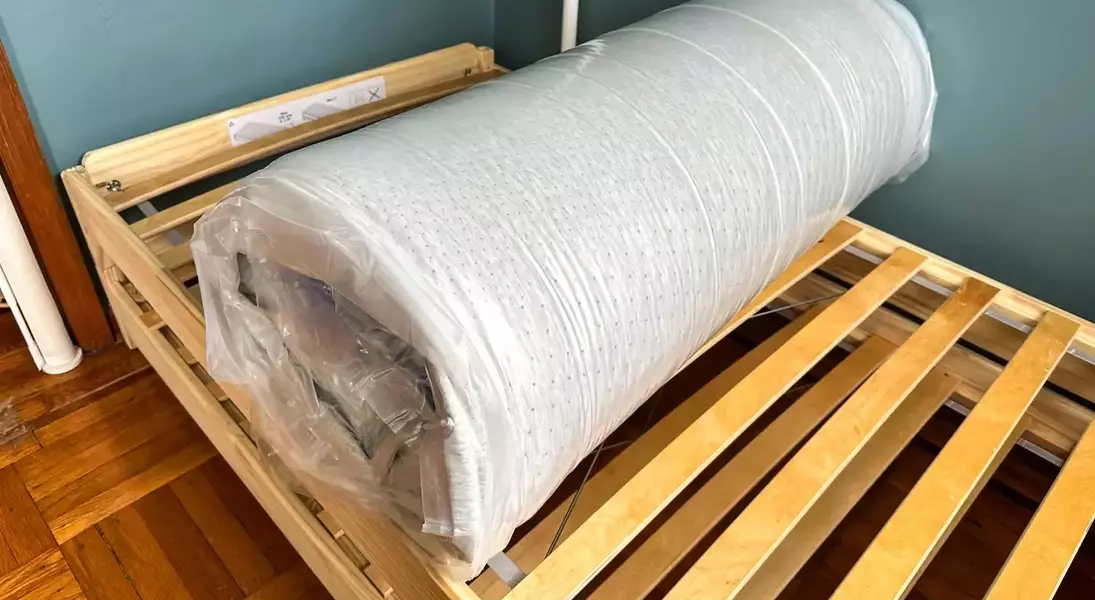
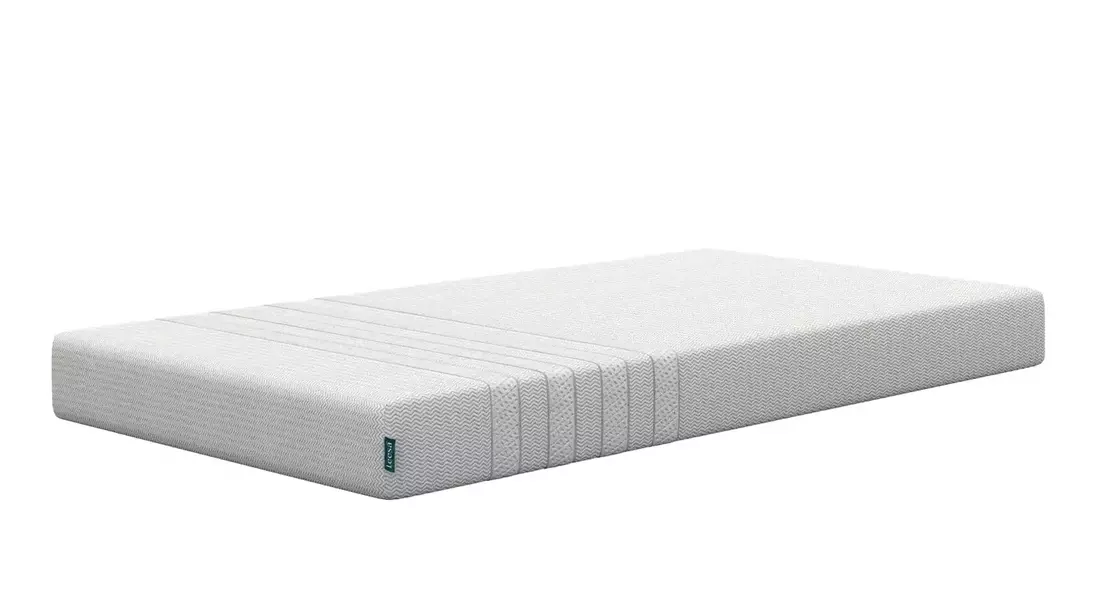
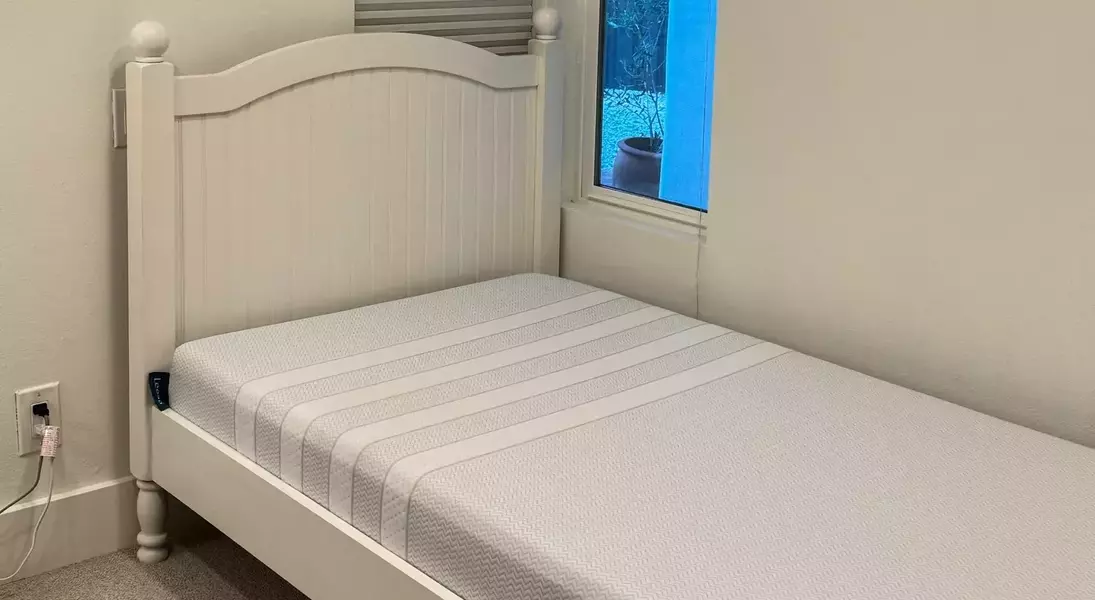
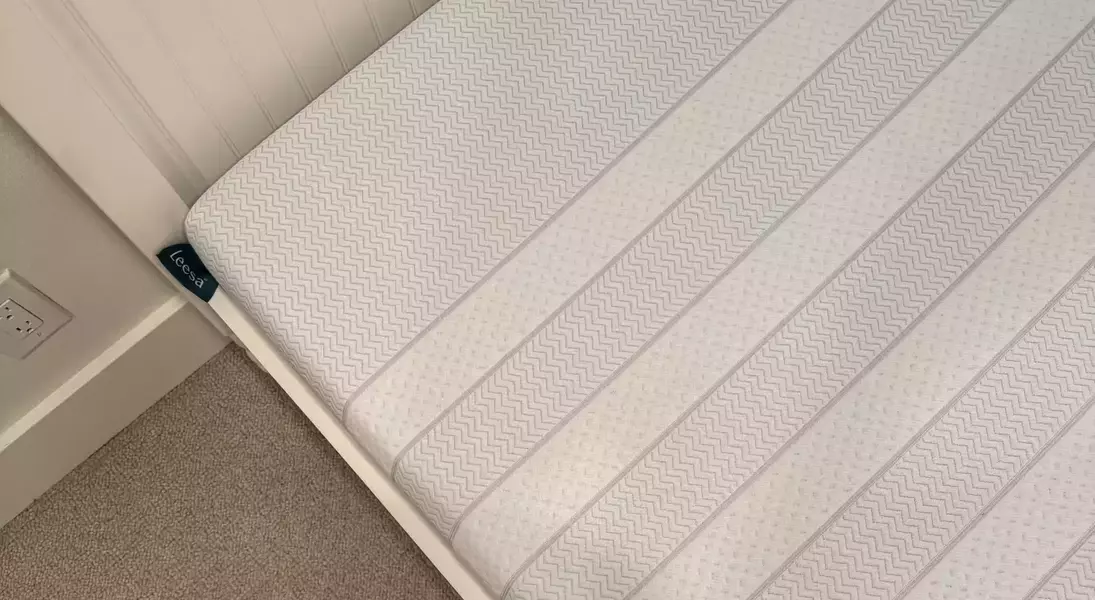
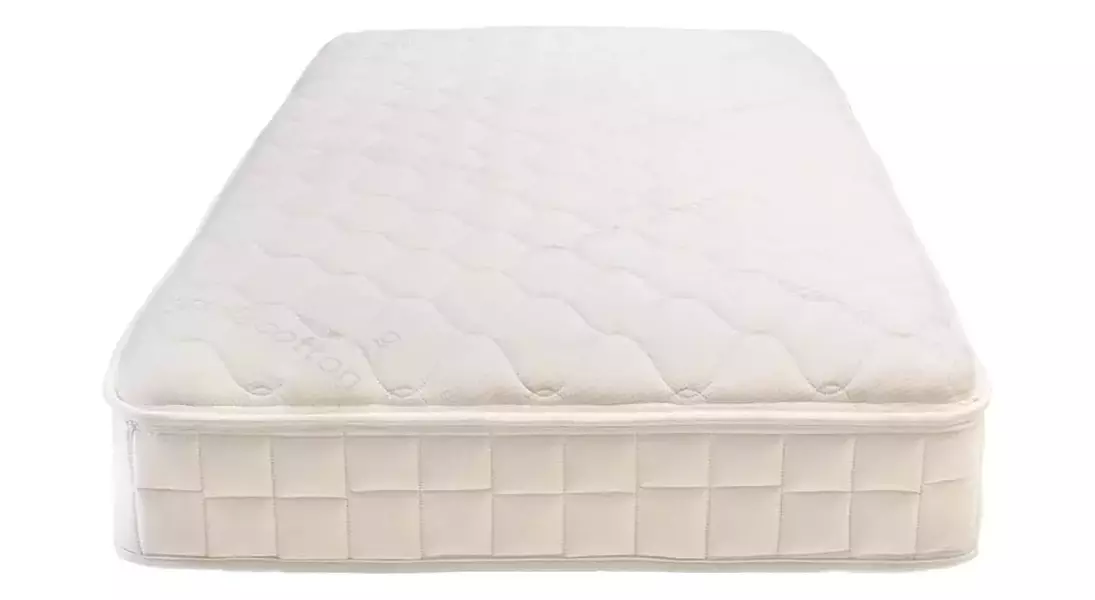
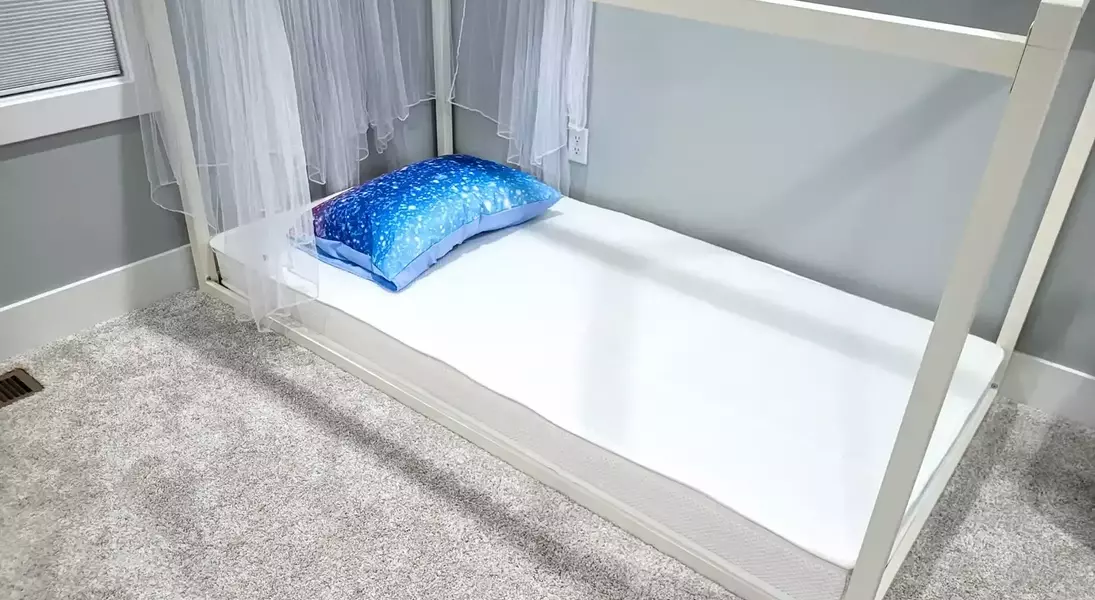
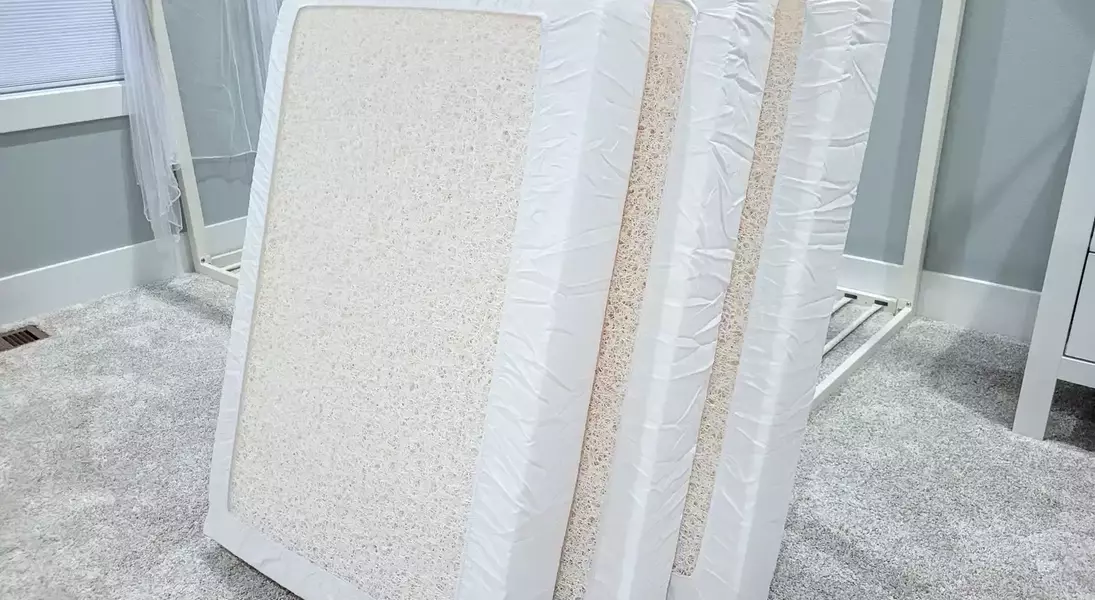
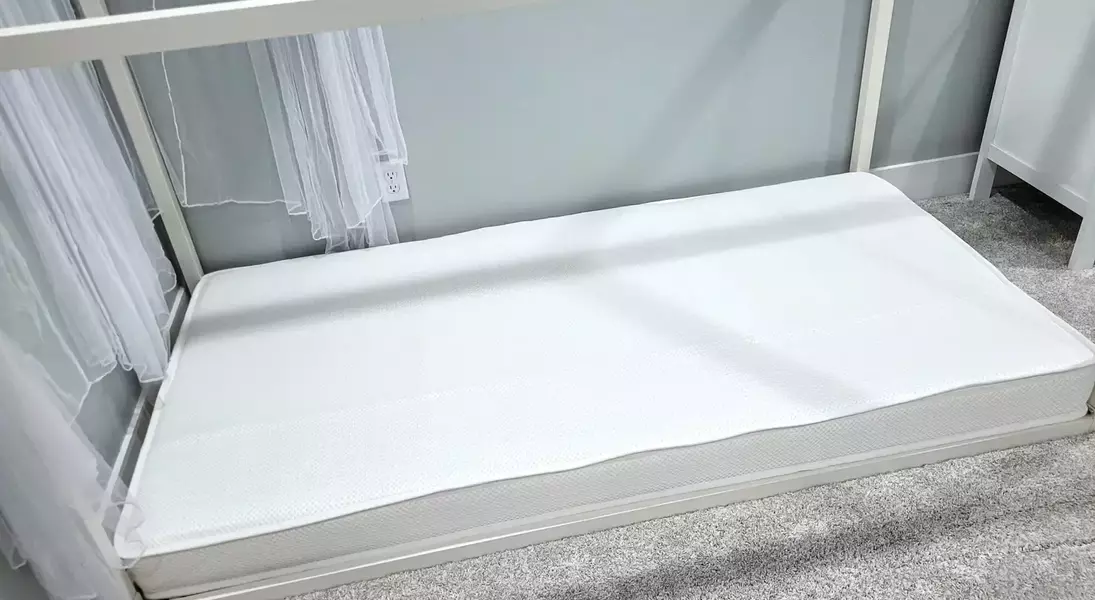
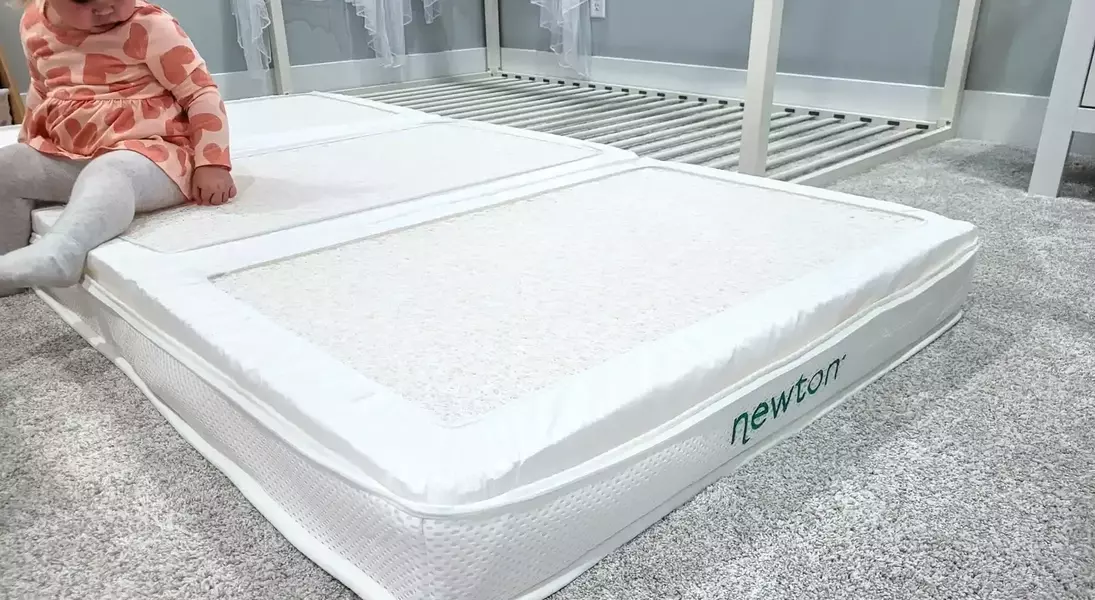
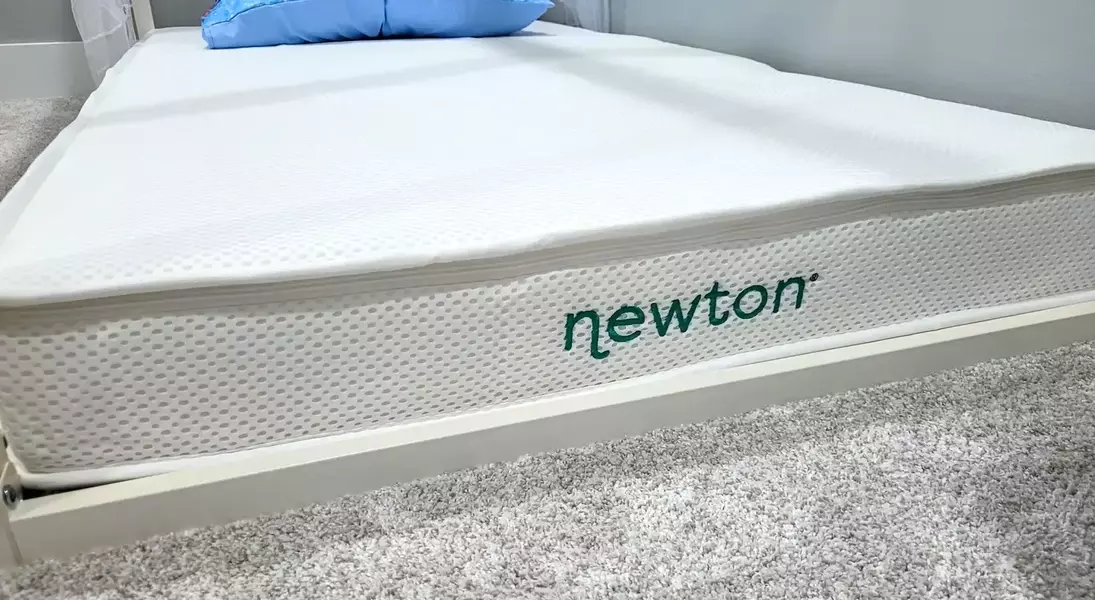
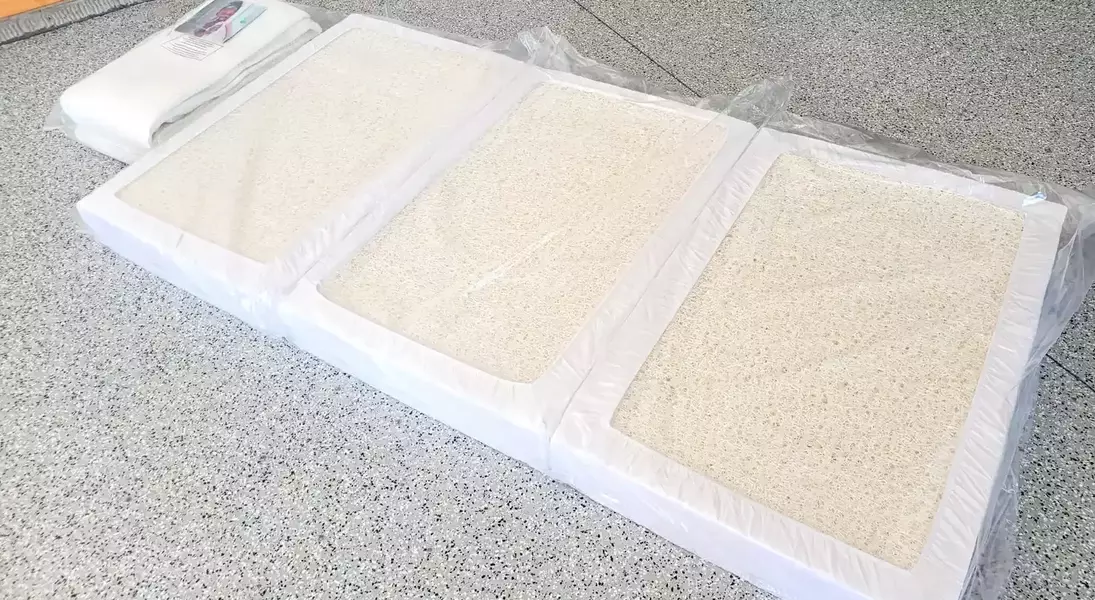
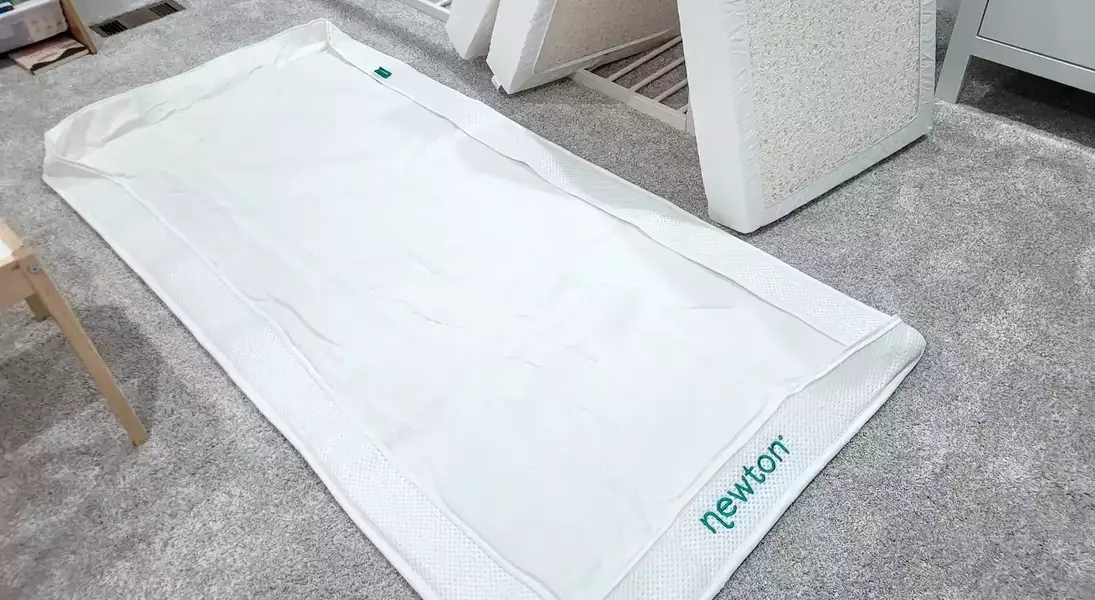

Ensuring children receive adequate and restful sleep is paramount for their healthy physical development, emotional well-being, and academic performance. This comprehensive guide, developed with insights from leading sleep specialists and pediatricians, explores the critical factors in selecting the ideal mattress for young sleepers. Our extensive testing, involving children ranging from toddlers to teenagers, has helped identify mattresses that excel in comfort, support, durability, and safety, providing parents with trustworthy recommendations to foster optimal sleep environments.
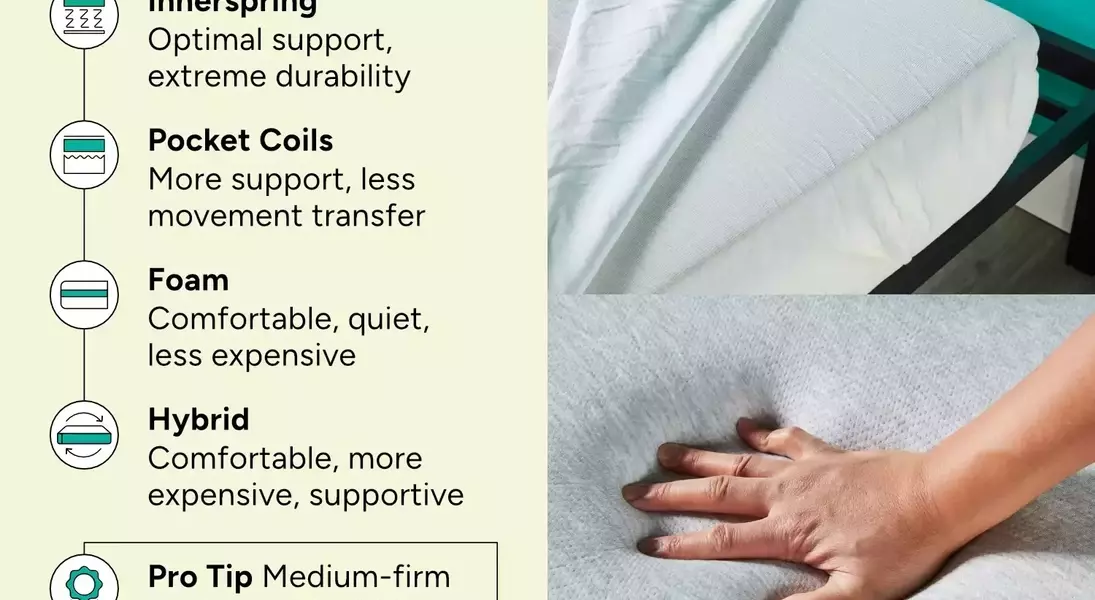
When it comes to selecting a mattress for a child, there isn't a universal solution. For safety reasons, newborns and young infants require very firm mattresses in their bassinets and cribs. Toddlers can transition to slightly softer options. It is also advisable to use a waterproof protector or a mattress with a built-in waterproof cover for younger children. As children grow, their preferences for firmness may evolve, and some might even outgrow a standard twin bed. The primary types of mattresses available for children include:
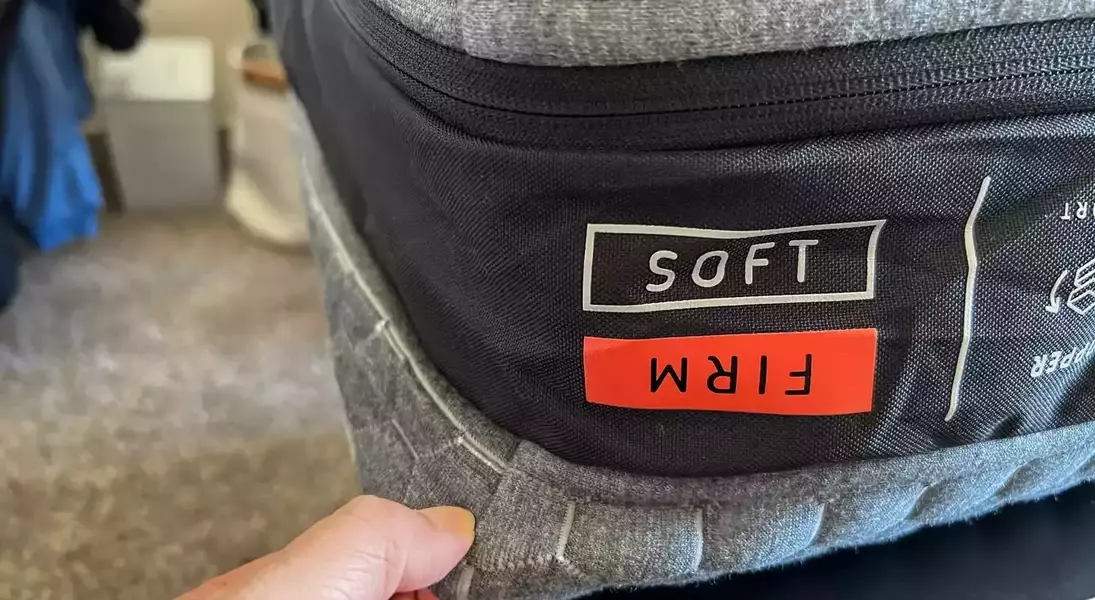
Innerspring mattresses provide excellent support and durability, making them a safe choice for children transitioning from cribs. These mattresses typically feature interconnected coils, ensuring longevity whether a child is sleeping or playing on the bed. Encased or pocket coil mattresses offer a more advanced design, with individually wrapped coils that move independently. This design enhances support and minimizes motion transfer, which can be beneficial for an undisturbed sleep. Foam mattresses are a popular option due to their comfort, quiet operation compared to innerspring models, portability, and often lower cost. Memory foam, in particular, can offer pressure relief for older children. Hybrid mattresses combine foam layers with coil systems, providing a balance of comfort and support, though they tend to be more expensive. For infants, crib mattresses must be firm and flat, adhering to the American Academy of Pediatrics' safe sleep guidelines. Some crib mattresses are dual-sided, with a firmer infant side and a softer, often more waterproof, toddler side; parents should always consult safety instructions before use.
Beyond infancy, mattress firmness largely depends on individual preference. Dr. Angelie Mascarinas, a board-certified physical medicine and rehabilitation doctor, suggests medium-firm mattresses for both children and adults. She emphasizes that the mattress should prevent excessive sinking while cradling the hips and shoulders. If a child initially finds a new mattress too firm, Dr. Mascarinas advises a two-week adjustment period. Dr. Nilong Vyas, a pediatrician and founder of Sleepless in NOLA, notes that for older children with good sleep habits, firmness should not significantly impact sleep quality. However, if an older child expresses discomfort, exploring different mattress options is appropriate. Since children are lighter than adults, they require less support for a mattress to feel firm. Parents can observe their children's comfort levels on various mattresses at friends' homes or during vacations to gauge their preferences before making a purchase.
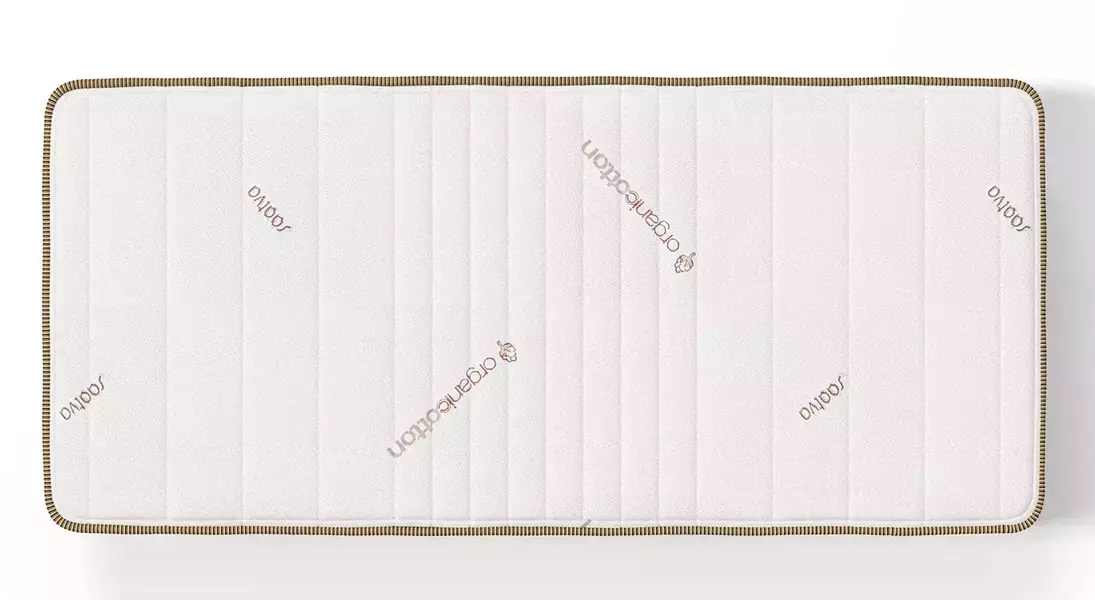
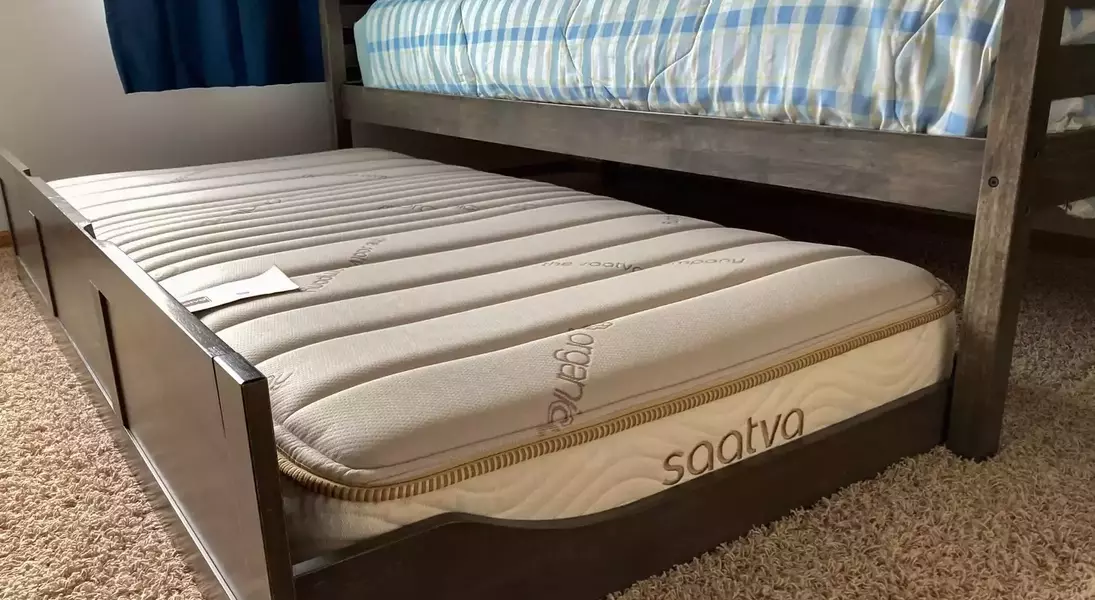
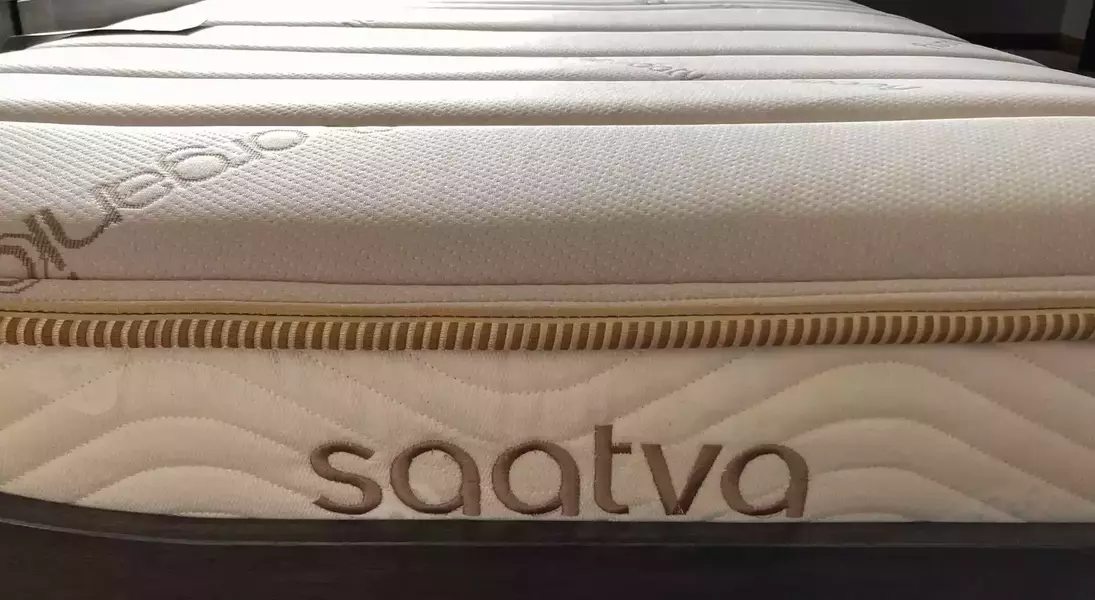
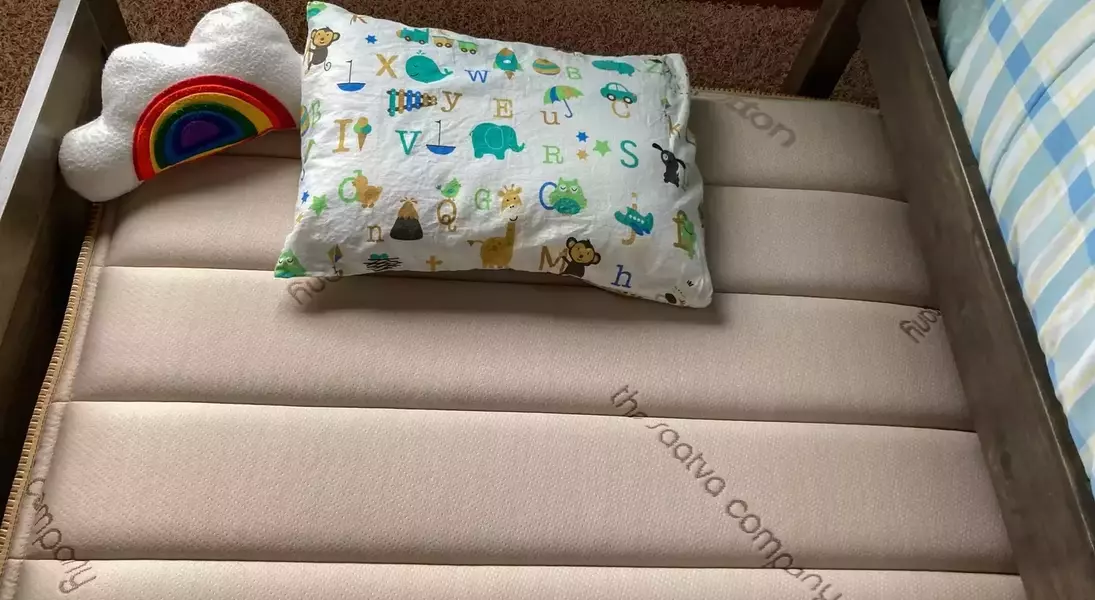
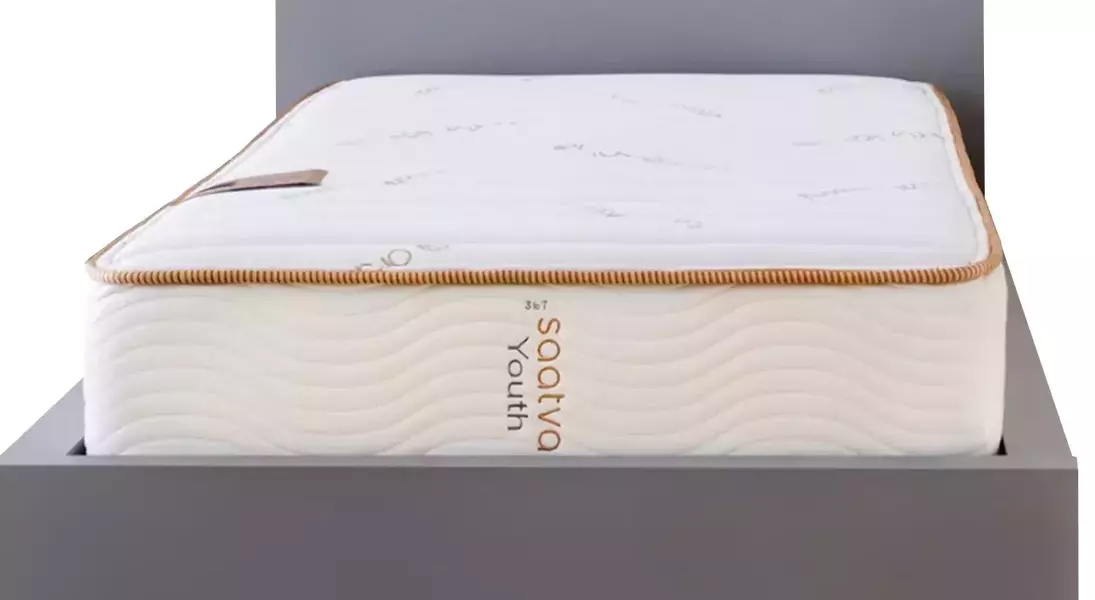
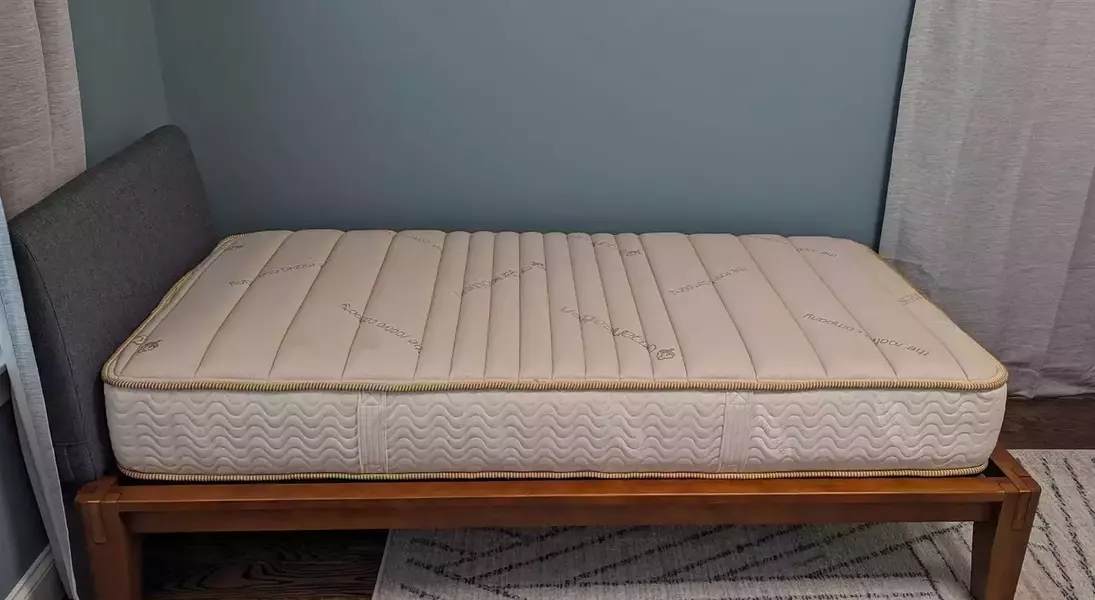
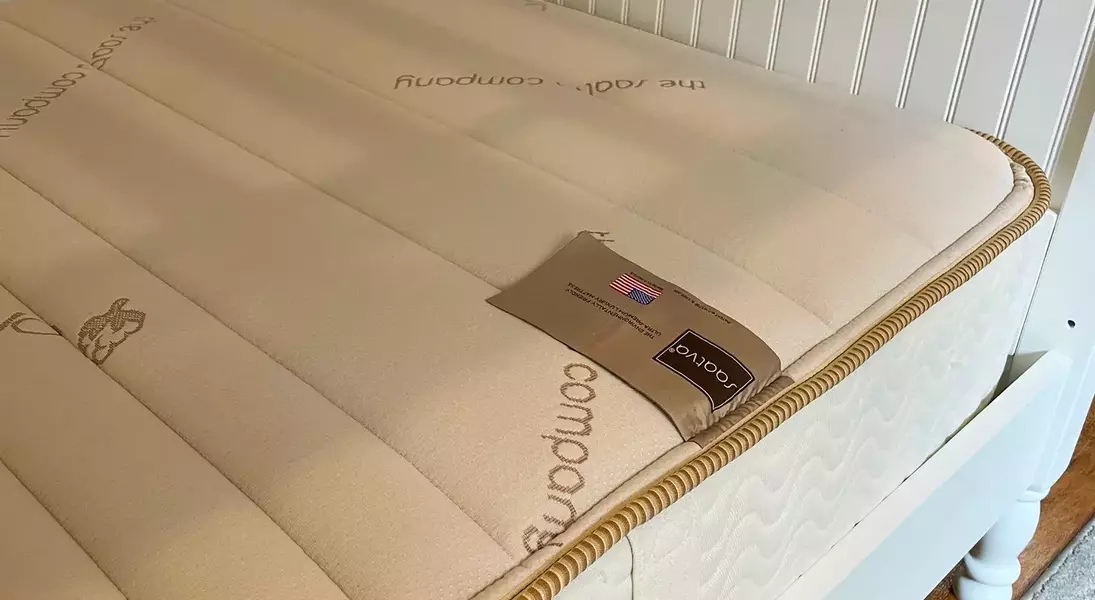
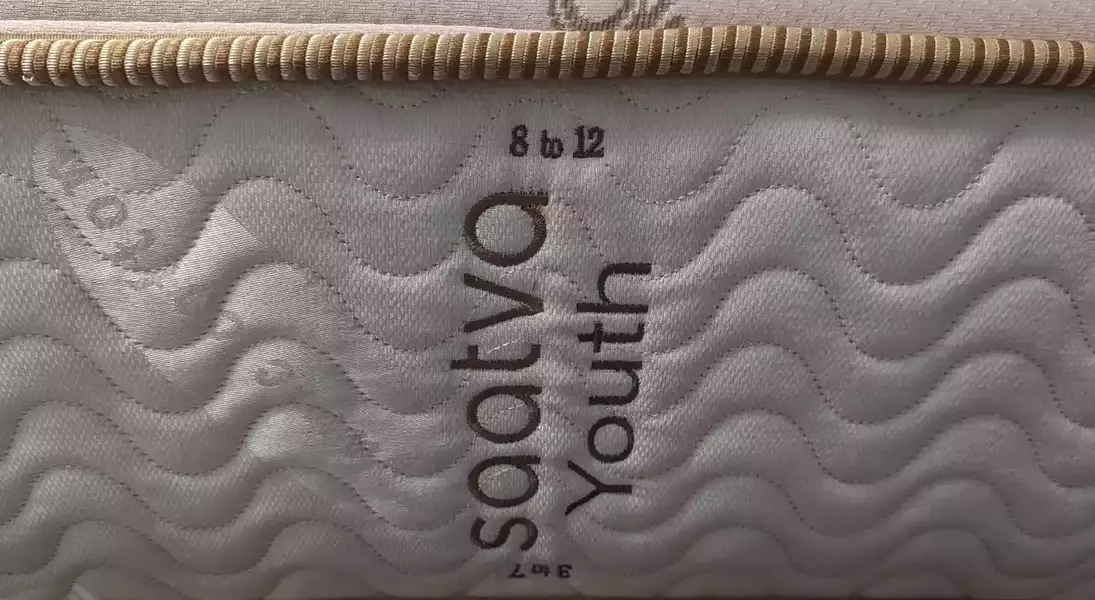
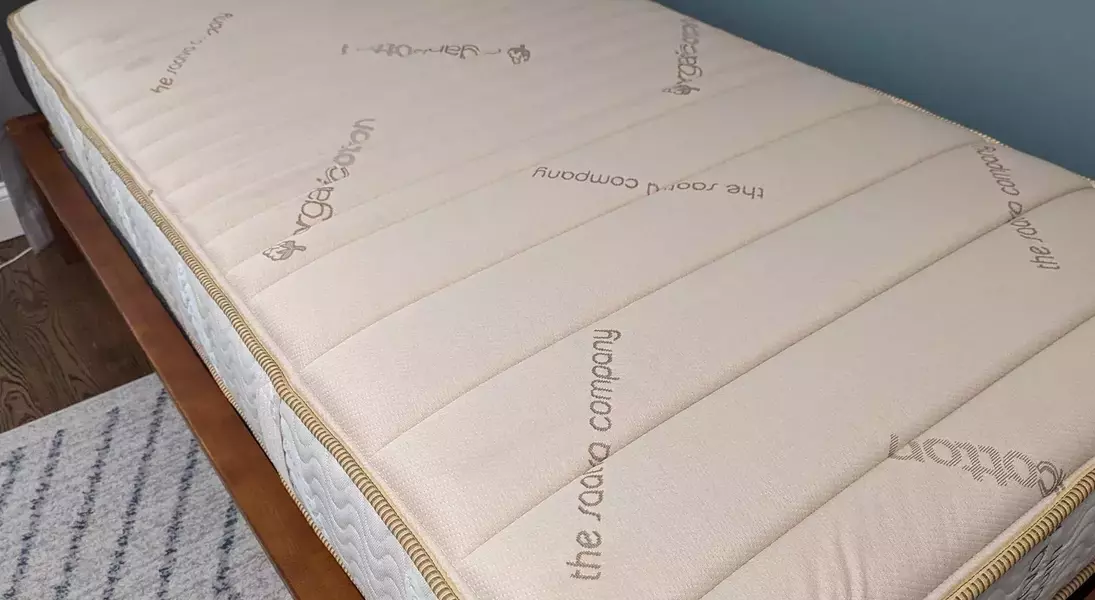
Value and durability are key considerations. Mattresses range widely in price, so it's essential to consider longevity. Hybrid and innerspring mattresses typically last longer than foam alternatives, which can compress over time. Two-sided mattresses, like the Saatva Youth, offer adaptable firmness levels, extending their usability as children grow. Investing in a high-quality waterproof mattress cover is also recommended to protect against spills, stains, and dust, ensuring the mattress remains hygienic and extends its lifespan.
Safety is paramount when choosing a mattress, and certifications play a crucial role. Many modern mattresses feature labels indicating the absence of harmful chemicals and low emissions of volatile organic compounds (VOCs). While new mattresses may have a temporary odor due to off-gassing, Dr. Vyas assures that airing them out for several days is sufficient. Key certifications to look for include CertiPUR-US, which guarantees foam materials are free from ozone-depleting chemicals, specific flame retardants, heavy metals, and formaldehyde, while meeting low VOC standards. Greenguard Gold certification indicates products have been tested for low VOC emissions, with standards tailored for children. The Global Organic Textile Standard (GOTS) verifies that materials are produced without synthetic pesticides, herbicides, or GMOs, adhering to ethical manufacturing practices. These certifications provide reassurance that a mattress meets stringent safety and environmental criteria, contributing to a healthier sleep environment for children.
