
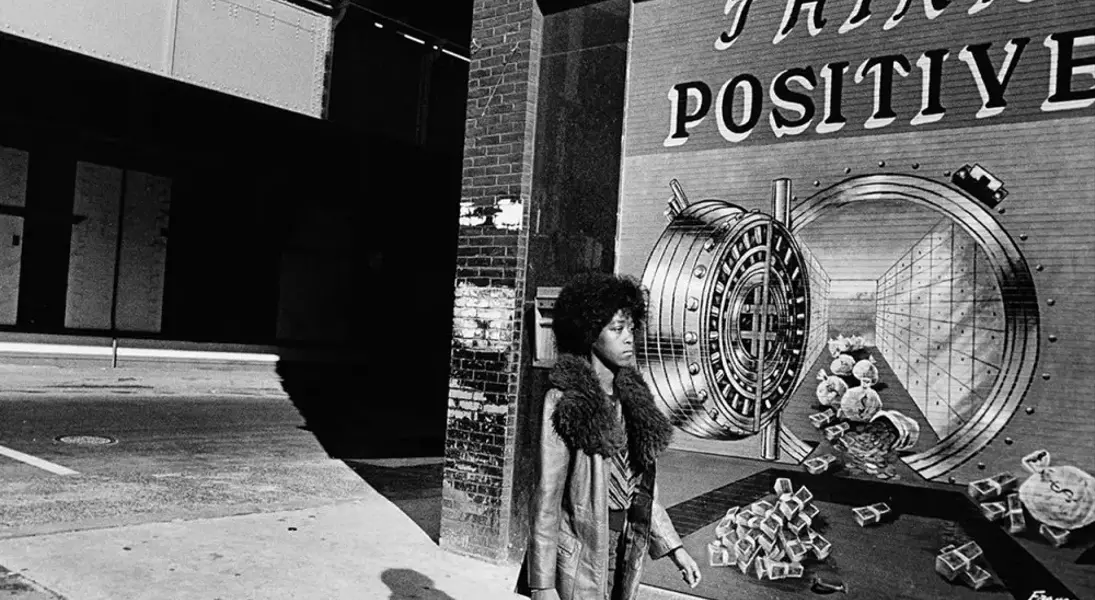
Coreen Simpson's newly published monograph presents a captivating journey through five decades of her distinctive photographic work, offering a profound look into Black American life. This comprehensive collection, part of Aperture’s esteemed Vision and Justice Book Series, highlights Simpson's unparalleled talent for merging fashion and social photography, creating images that radiate both elegance and an authentic sense of self. The book features a wide array of her portraits, from candid street shots to studio sittings with notable figures and everyday individuals, all imbued with her signature vision. It prompts a fascinating discussion about the delayed recognition of her significant contributions to photography, exploring the possible reasons behind her work remaining largely unseen by a wider audience until this moment.
Celebrated Photographer Coreen Simpson's Monograph Unveils Decades of Artistry
On November 14, 2025, a significant cultural event unfolded with the release of Coreen Simpson's long-awaited monograph, a testament to her five decades of groundbreaking photography. Born in Brooklyn in 1942, Simpson has carved a unique niche by seamlessly blending the worlds of fashion and social commentary through her lens. Her images, characterized by their direct and often frontal compositions, invite viewers into intimate encounters with her subjects, whether captured on bustling city streets, in dynamic clubs, or within the privacy of their homes.
A standout piece from her early career, Cooking Is My Game (Lady Chef), Velma Jones (1977), exemplifies her approach. This portrait features Velma Jones, a chef at New York City's Hotel Roosevelt, exuding a genial confidence as she gazes directly at the camera. Simpson’s framing choice, which emphasizes the subject's form over the background, reveals her dedication to capturing the individual's essence. Similarly, Church Ladies (1986), taken in Zambia, showcases a woman in a moment of ecstatic joy, her radiant smile transcending the shadowy surroundings, underscoring Simpson's ability to find and amplify moments of profound human spirit.
This monograph, titled Coreen Simpson: A Monograph and published by Aperture, is a crucial part of their Vision and Justice Book Series. It spans her early street photography to later experimental collages, all unified by her consistent fascination with what art historian Bridget R. Cooks terms the “fashioning of self.” This conceptual thread connects her diverse subjects, from the muscular bodybuilders at the YMCA in the 1970s to the jubilant performance artist Lorraine O’Grady. Simpson's work glamorizes each captured moment, whether featuring runway models, hip-hop pioneers, or cultural icons like Muhammad Ali, Toni Morrison, and Oprah Winfrey, alongside equally compelling portraits of lesser-known individuals from her “Nitebirds/Nightlife” series of the 1970s and 1980s.
What makes this publication particularly enlightening is its preservation of a photographic legacy that might otherwise have faded into obscurity. At 83, Simpson’s first monograph serves as an invaluable record of the vibrant Black American experience. Her democratic gaze treats celebrities and unknown subjects with equal reverence, highlighting her commitment to portraying the inherent dignity and style of every individual. This raises a pertinent question: why has it taken so long for such impactful work to gain broader recognition?
In a recent interview, Simpson expressed her desire for a serious book on her work, believing it was well-deserved. The meticulous efforts of editors Drs. Sarah Lewis, Leigh Raiford, and Deborah Willis have brought this vision to fruition. While speculation abounds, one theory suggests that Simpson's successful parallel career as a jewelry designer, with her creations worn by stars like Celia Cruz, may have lessened her urgency for financial validation from her photography, allowing her to pursue her art with an independent spirit. Her commitment to creative freedom, as she proudly stated to Deborah Willis, has been a lifelong quest, influencing her decision to avoid working for others for many years.
Simpson's photographs powerfully convey this free-spirited flair and her profound ability to capture “regalness” across different eras and social strata. Her keen eye for fashion and understated excellence may have originated from a childhood memory in Brooklyn, where she was captivated by a man in an orange suit, recognizing the intrinsic value of capturing such moments. Having grown up without personal photographs or images of her biological parents due to her time in foster care, her work can be seen as a deeply personal pursuit of “representational justice,” transforming strangers and kin into a boundless family album that reclaims and celebrates personal history.
This monograph serves as a powerful reminder of the enduring impact of artistic vision and the importance of recognizing creators whose work illuminates and enriches our understanding of the human experience. Coreen Simpson's photography, finally brought to the forefront, inspires us to look closer, appreciate the inherent beauty in everyday life, and reflect on the narratives that shape our collective history.