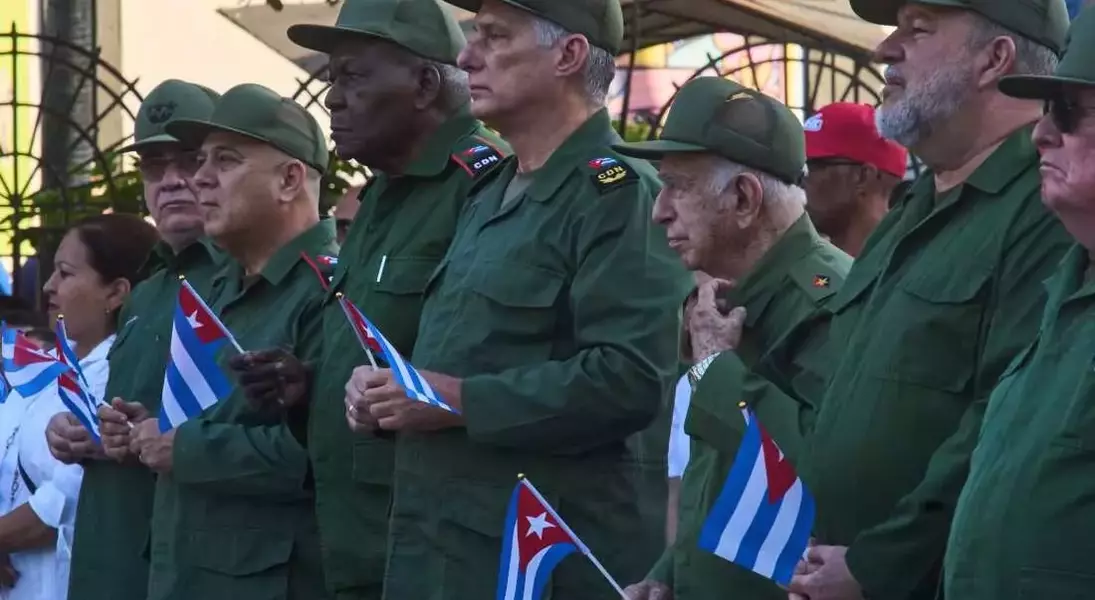
In a significant development, the Cuban government has officially acknowledged recent diplomatic engagements with United States representatives on its territory. These discussions, occurring amidst persistent strain in bilateral relations, primarily centered on Havana's fervent request for the United States to revoke its energy-related sanctions against the Caribbean nation.
High-ranking officials from both the Cuban Ministry of Foreign Affairs and the U.S. State Department participated in these dialogues, marking the first such high-level contact since 2016. While specific details regarding the exact timing and individual attendees remain undisclosed, the Cuban representative, Alejandro García del Toro, highlighted the professional and respectful nature of the proceedings. He underscored that the removal of the energy embargo was a critical point of discussion, characterizing it as an act of economic pressure that unjustly harms the Cuban populace and constitutes a broader form of coercion against nations exercising their right to free trade.
Conversely, the United States continues to link any potential easing of sanctions to significant internal changes within Cuba, including an end to political repression, the release of political detainees, and comprehensive economic liberalization. This complex diplomatic dance is further complicated by past threats from former US President Donald Trump regarding tariffs on countries supplying oil to Cuba and even suggestions of military intervention, which Cuban President Miguel Díaz-Canel has publicly stated his country is prepared to resist.
The path to improved relations between these two nations requires mutual understanding and a commitment to constructive dialogue. Addressing humanitarian concerns and fostering economic stability through diplomatic channels, rather than through punitive measures, holds the key to a more peaceful and prosperous future for the region.
