

Recent findings from an NPR poll indicate a significant shift in the American political landscape. Over 80% of the populace is reportedly struggling with escalating fuel costs, a grievance predominantly laid at the feet of the current President, whose approval ratings have plummeted to an all-time low. This economic strain, compounded by an unpopular military engagement in Iran, has created a fertile ground for the Democratic Party, which now holds a notable advantage in projected midterm elections. Concurrently, a significant U.S. operation dubbed 'Project Freedom' in the Strait of Hormuz has been temporarily halted, signaling a pause in military actions amidst diplomatic progress with Iran. Additionally, the recent Indiana primary elections showcased President Trump's continued influence, as candidates he endorsed successfully unseated several incumbent state senators.
Midterm Elections and "Project Freedom" Stir Political Currents Across the Nation
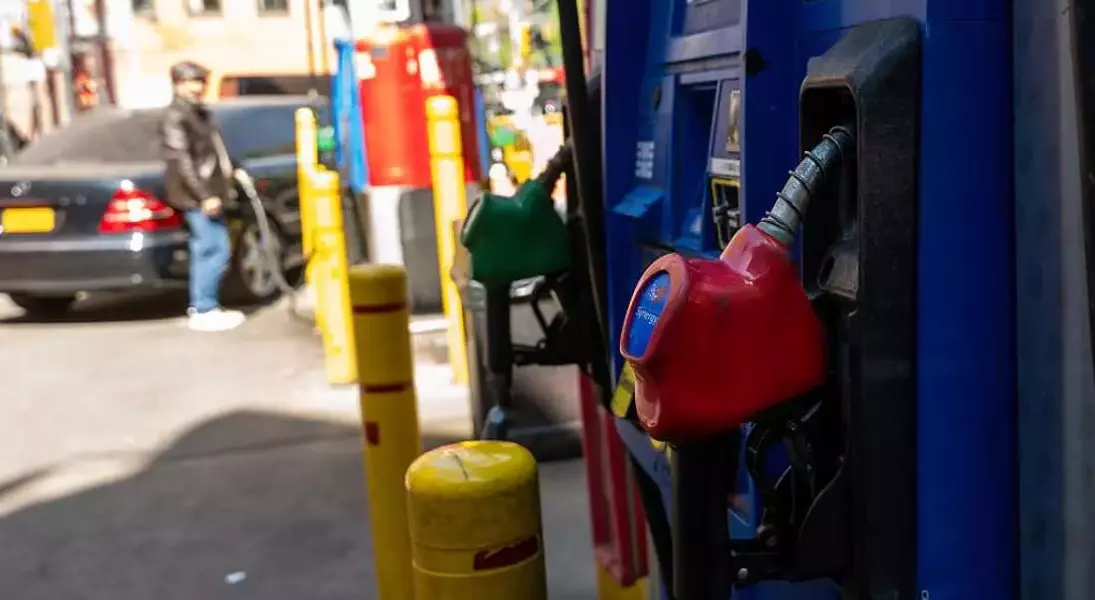
In a revealing NPR/PBS News/Marist poll conducted in early May 2026, the economic burden of high gas prices emerged as a primary concern for more than 80% of American households. This widespread economic unease has been largely attributed to President Trump, whose approval ratings have reached their lowest point since he began his second term. The poll highlighted significant declines in support among key demographic groups, including young voters, and Black and Latino communities. The ongoing conflict in Iran, which has directly contributed to the surge in fuel costs, is also increasingly unpopular, further bolstering the Democratic Party's position. This sentiment has given Democrats a substantial 10-point lead in hypothetical congressional midterm elections, positioning them favorably to potentially regain control of the House of Representatives.
According to NPR's Domenico Montanaro, while Democrats benefit from increased enthusiasm, particularly among white college-educated voters, they still face the challenge of galvanizing traditional Democratic bases. Montanaro noted that President Trump's diminished approval could significantly hinder Republican candidates, especially as previously supportive demographics, such as individuals earning under $50,000 annually, white men and women without college degrees, and rural voters, now express disapproval of his performance.
In a related development, the Trump administration announced a pause in "Project Freedom," an operation aimed at safeguarding shipping in the Strait of Hormuz from Iranian aggression. On the evening of May 5, 2026, the President cited "great progress" toward a comprehensive agreement with Iran as the reason for the halt. Secretary of State Marco Rubio clarified that the U.S. would now focus solely on defensive operations, engaging only if directly attacked. However, NPR's Franco Ordoñez reported that Rubio's statements indicated that both nations are still in the preliminary stages of identifying negotiable issues. Rubio also underscored the international community's stance against Iran's potential control over the Strait of Hormuz, though specific retaliatory actions remained undefined.
The Indiana primary elections witnessed President Trump's substantial influence in state-level politics. He successfully backed challengers against seven incumbent state senators who had opposed his redistricting plan the previous year. Five of these incumbents were defeated, some by considerable margins, demonstrating the enduring power of Trump's endorsement. NPR's Stephen Fowler observed that these results highlight a persistent loyalty among Trump's base, which remains largely impervious to shifts in public opinion. Fowler also pointed out that while incumbent U.S. House members largely retained their seats, the close contests in Indiana's state Senate races, even against underfunded challengers, suggest a public appetite for change. He noted a surge in Democratic voter turnout in primary states, contrasting with less impressive Republican participation, a trend that could significantly reshape the political landscape in the upcoming November midterms.
The current political climate, marked by widespread economic discontent and shifting allegiances, serves as a powerful reminder of the intricate dance between public sentiment, economic realities, and political outcomes. The NPR poll's findings underscore the profound impact of daily struggles, like gas prices, on voter behavior and presidential approval. The pause in "Project Freedom" highlights the delicate balance between diplomatic efforts and military posturing in international relations, demonstrating how domestic pressures can influence global strategies. Furthermore, the Indiana primary results offer a compelling case study of the enduring power of political endorsements and the potential for voter dissatisfaction to manifest in surprising electoral shifts. As the nation approaches the midterm elections, these interconnected events paint a picture of a dynamic political environment where every policy decision and public statement resonates deeply with the electorate, continuously shaping the future trajectory of American governance.
