
Eaton, a prominent industrial corporation, has embarked on a profound strategic evolution, fundamentally reorienting its business to center on electricity. This transformation, largely propelled by the acquisition of Cooper Industries, has significantly bolstered Eaton's presence in the electrical power management sector, aiming to secure sustainable long-term growth and stability.
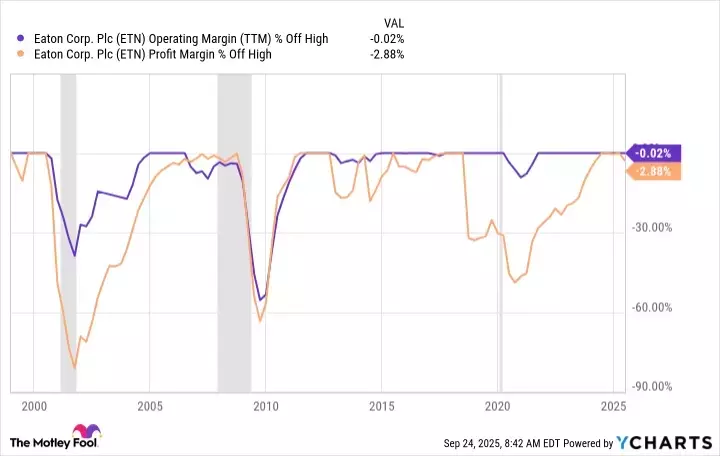
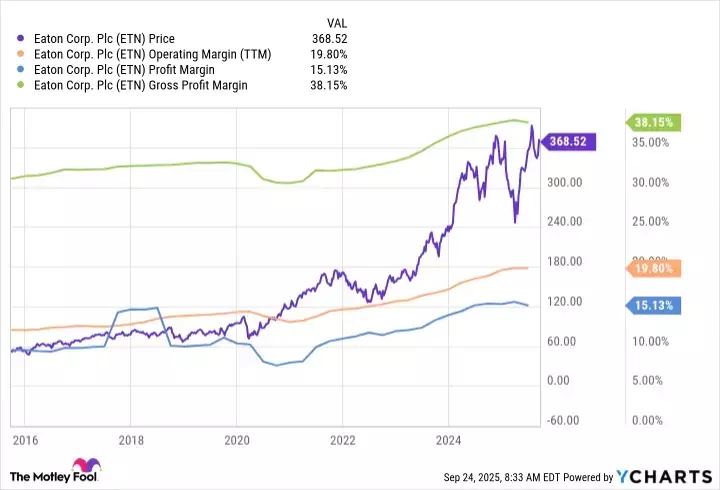
This strategic shift was meticulously planned with three primary objectives: fostering enduring growth, transitioning towards more profitable operations, and building a business model that is less vulnerable to economic cycles. The company divested from cyclical sectors like hydraulics, which are sensitive to construction market fluctuations, to prioritize segments with more consistent demand and higher profit potential. As a result, electricity-related ventures now account for a substantial 70% of Eaton's revenue, showcasing the successful implementation of its vision and the positive impact on its financial performance through improved profit margins.
While Eaton's business is inherently tied to industrial cycles, and thus susceptible to economic downturns, its proactive measures are expected to provide greater resilience during future recessions. Although the brief economic contraction during the pandemic offered limited testing for this new model, the company anticipates that its diversified and electricity-focused portfolio will enable it to navigate economic challenges more effectively than in previous periods. This strategic realignment reinforces Eaton's position as a forward-thinking entity, adapting to market demands and enhancing its operational robustness for the future.
Eaton's journey exemplifies a company's commitment to continuous improvement and adaptation. By strategically focusing on higher-growth, higher-margin segments, and building a business less sensitive to economic volatility, Eaton has positioned itself for sustained success, demonstrating the power of foresight and decisive action in the corporate world.
