
This article explores the significant influence of emotions on investment decisions, particularly during periods of market volatility and political uncertainty such as government shutdowns. It underscores the critical need for investors to recognize and manage their emotional responses to avoid detrimental short-term actions that can compromise long-term financial success. By examining insights from behavioral finance and historical market patterns, the piece offers guidance on maintaining a rational perspective amidst exciting or alarming news.
Stay Rational: Avoid Emotional Investment Pitfalls Amidst Market Noise
The Emotional Undercurrents of Financial Decisions
For most investors, the daily oscillations of stock values inevitably stir a range of emotions. These feelings, if unchecked, can escalate into powerful impulses leading to immediate, often regrettable, decisions that undermine carefully constructed long-term financial objectives. Recognizing this emotional dimension is the first step toward more disciplined investing.
Behavioral Finance: Understanding the Human Element in Investing
The field of behavioral finance extensively documents how psychological factors, notably fear and greed, exert a profound influence on investor behavior. This body of research provides valuable insights into why individuals might deviate from rational decision-making. Continuous engagement with this literature, such as regularly revisiting foundational texts, helps investors remain vigilant against common psychological traps that can derail their financial strategies.
The Peril of Extrapolation: Learning from Past Crises
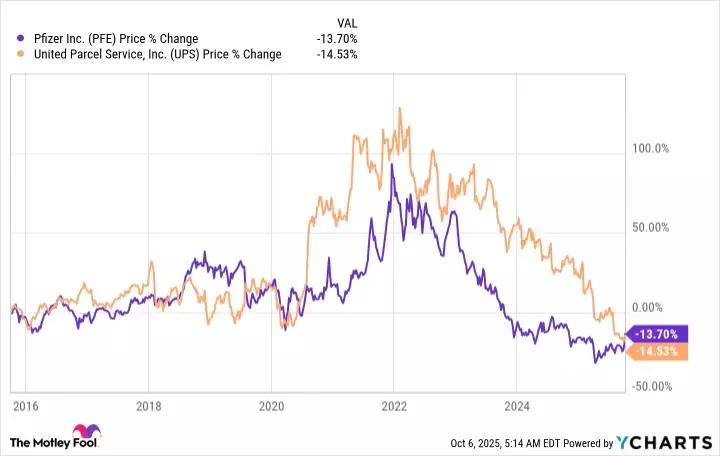
A prevalent mistake investors make is projecting current events and trends too far into the future, assuming their effects will be permanent. This was evident during the COVID-19 pandemic, where the initial surge in demand for certain products and services led to inflated stock valuations for companies like Pfizer and United Parcel Service. However, as conditions normalized, these valuations corrected, demonstrating that temporary shifts rarely translate into indefinite changes in market dynamics.
Government Shutdowns: Temporary Disruptions, Not Permanent Shifts
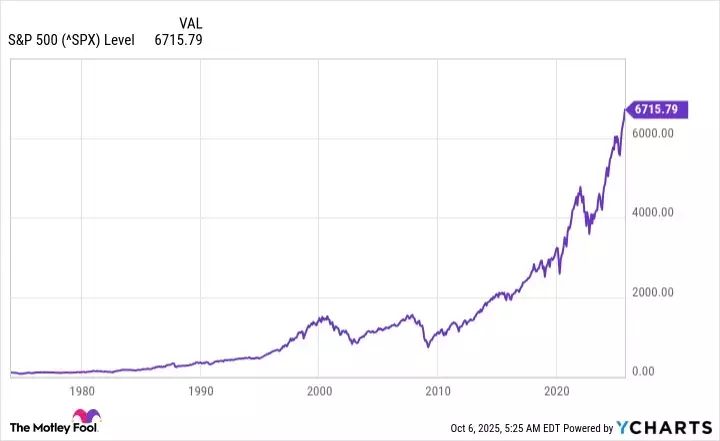
Government shutdowns, while often garnering intense media attention, are historically temporary phenomena. Since the Congressional Budget Act of 1974, numerous shutdowns have occurred, with the longest lasting just 35 days. Relying on such short-lived political impasses to dictate long-term investment strategies is ill-advised. History consistently shows that these events, though disruptive, do not fundamentally alter the long-term trajectory of major market indices like the S&P 500, which has steadily climbed despite these intermittent interruptions.
The Imperative of a Long-Term Investment Strategy
A robust long-term investment plan is designed to weather transient market disturbances and political developments. Allowing emotional reactions to short-term news, such as a government shutdown, to influence or abandon this plan constitutes a significant behavioral risk. Adhering to a well-conceived strategy, rather than reacting impulsively to sensational headlines, is crucial for achieving enduring financial health and success.
