The upcoming 2026 Formula 1 regulations are generating considerable debate among teams, competitors, and enthusiasts, as the new models become clearer. While the sport's governing bodies have made substantial investments in these modifications, some of its most prominent figures are voicing their apprehension, particularly concerning the intricate energy management systems. This unease could pose challenges for F1's public image, especially in an era driven by global entertainment platforms, where any perceived flaw could impact stakeholder confidence.
Initial concerns arose last year when drivers tested virtual prototypes, leading to early skepticism that team principals dismissed as premature. However, with physical testing underway and the season opener fast approaching, those initial doubts have intensified. While the new vehicles offer a more compact and lighter design, coupled with less grip for a more 'classic' driving experience, the significant emphasis on battery charging through modified braking and downshifting has been met with dissatisfaction. This focus on energy conservation, although a recurring theme in F1's history, now demands a level of technical engagement that many drivers feel detracts from the raw thrill of competition.
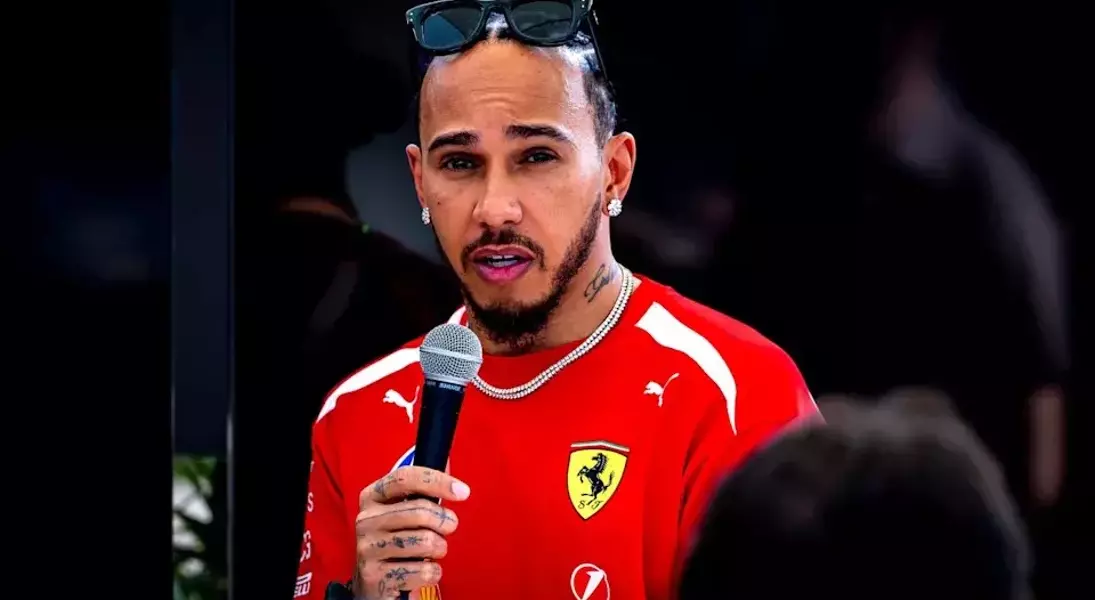
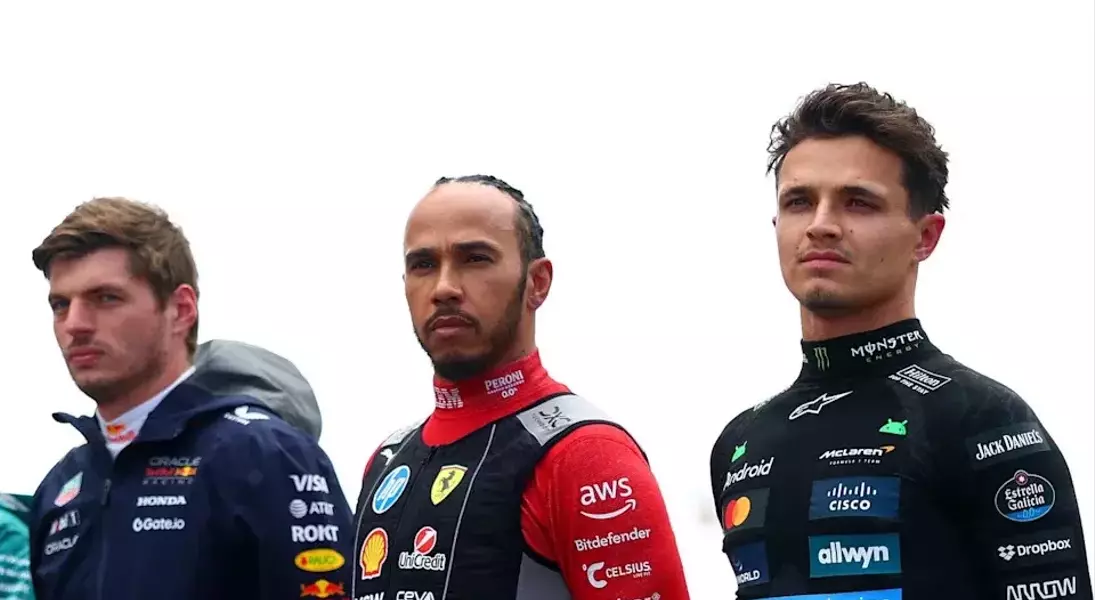
Prominent drivers such as Lewis Hamilton, Fernando Alonso, and Max Verstappen have articulated their frustrations. Hamilton described the new systems as 'ridiculously complex,' requiring an almost academic understanding. Alonso, a veteran of numerous regulatory changes, finds the constant energy optimization 'a bit annoying,' preferring to race at full throttle. Verstappen echoed this sentiment, suggesting the driving experience feels more akin to 'Formula E on steroids' than traditional F1, emphasizing a departure from pure, unadulterated racing. However, reigning champion Lando Norris offers a contrasting view, embracing the challenges as part of the sport's evolution and highlighting the privileged position of F1 drivers, expressing a willingness to adapt to whatever the regulations demand. The true impact of these changes on race dynamics and audience engagement remains to be seen, with potential for either unprecedented entertainment or a shift away from the sport's traditional appeal.
Ultimately, the current discourse highlights a fascinating crossroads for Formula 1. While technological innovation is vital for progress and sustainability, the spirit of competition must remain paramount. The adaptability of drivers, combined with the ongoing evolution of the sport, will determine if these new regulations can successfully balance cutting-edge engineering with the exhilarating essence of pure racing, inspiring both participants and fans alike.
