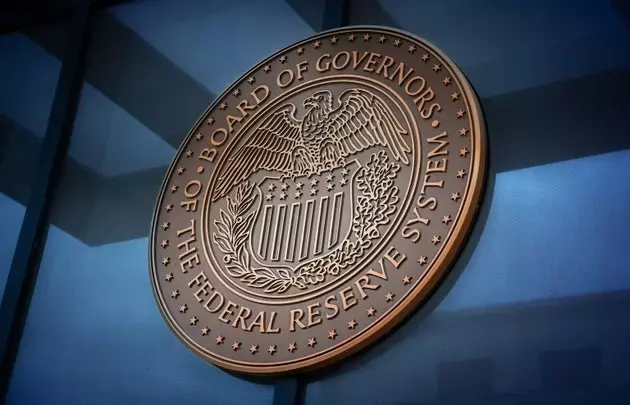
The financial world is abuzz with speculation as Kevin Warsh, a former Federal Reserve governor, emerges as a leading candidate to succeed Jerome Powell as Chair of the U.S. Federal Reserve. This potential change in leadership signals a forthcoming recalibration of monetary policy, prompting investors and market analysts to consider the ramifications across various asset classes. The shift could redefine the Fed's operational framework, influencing everything from interest rates to global currency valuations and the overall economic trajectory.
A critical area of focus is how a Warsh-led Federal Reserve might influence the U.S. yield curve and bond markets. With a predisposition towards lowering short-term rates while simultaneously reducing the Fed's balance sheet, a steeper yield curve could be anticipated. This scenario implies that long-term interest rates might see an upward movement, reflecting altered expectations for inflation and economic growth. Furthermore, such a policy stance could have profound effects on the U.S. dollar's strength. Analysts suggest that an emphasis on fiscal dominance and a potential reduction in central bank independence under Warsh could lead to a softer dollar, compelling investors to re-evaluate their hedging strategies and capital allocation decisions globally.
Against this backdrop of anticipated policy changes, the corporate bond sector continues to present compelling opportunities. Fueled by robust nominal growth, tight spreads, and a supportive global economic environment, corporate bonds maintain their appeal. The market could also see enhanced opportunities arising from an increase in new issuances and greater diversification across various sectors, allowing for strategic portfolio adjustments in response to the new Federal Reserve leadership. Investors would be wise to meticulously assess these developments, seeking guidance to navigate the shifting currents of global finance.
In an era of dynamic economic shifts and evolving policy landscapes, astute observation and informed decision-making are paramount. Embracing change and adapting investment strategies to align with the new economic paradigm will empower investors to seize opportunities and foster sustained financial well-being. This proactive approach, coupled with a deep understanding of market mechanisms, lays the groundwork for navigating uncertainty with confidence and achieving prosperity.
