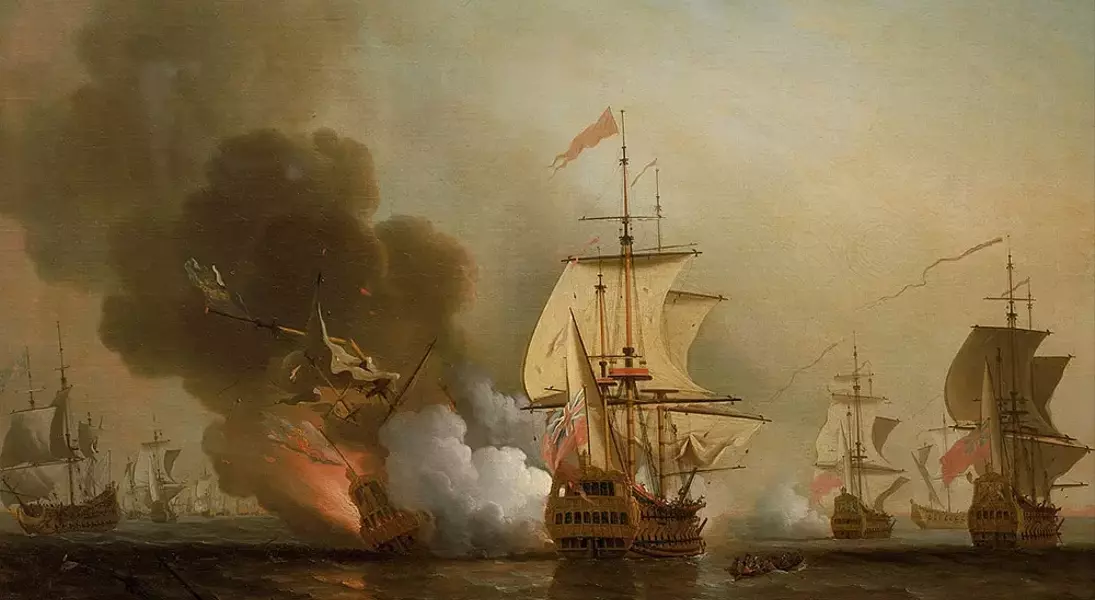
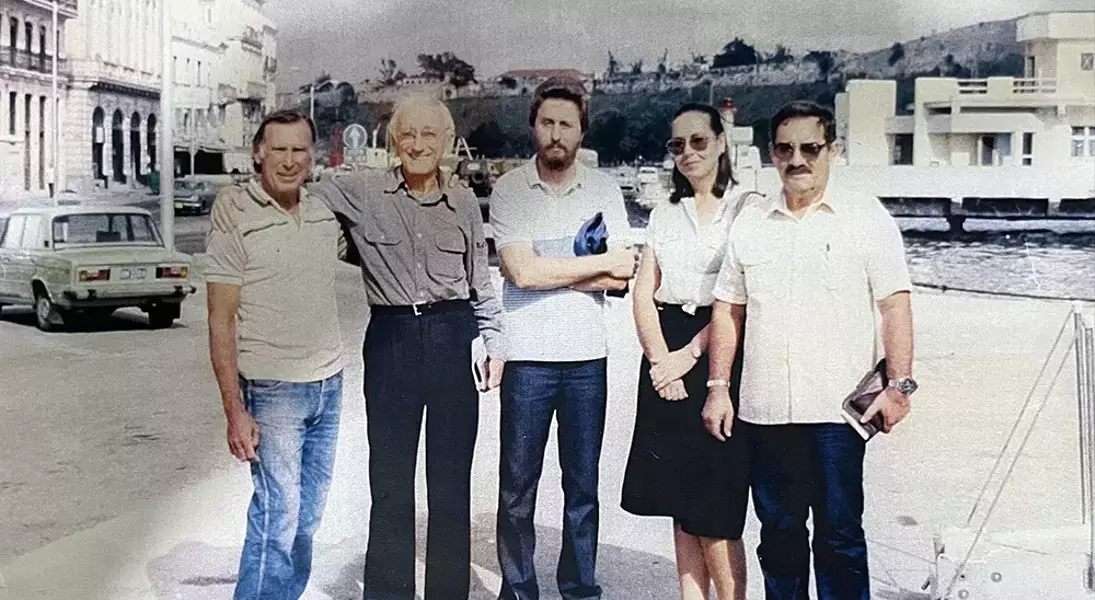
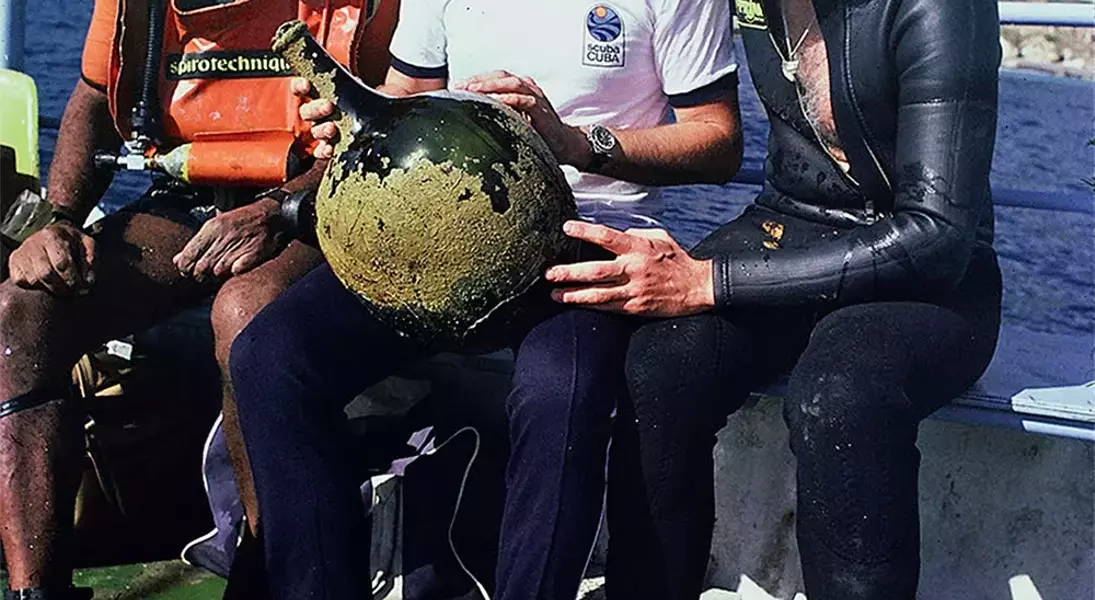
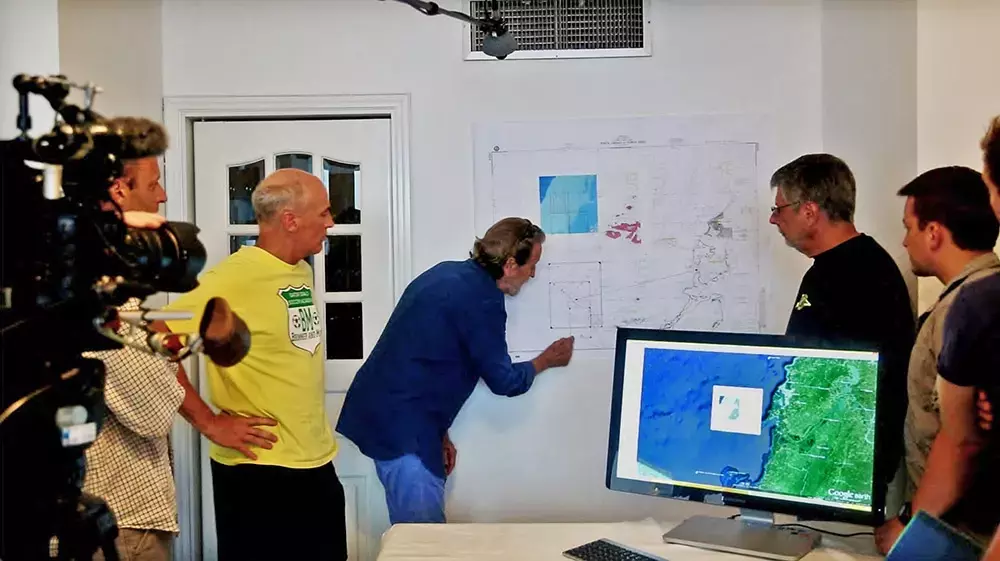
Roger Dooley, a Cuban-American archaeologist, began his remarkable journey in the mid-1980s, driven by an insatiable curiosity for ancient wrecks. While working for Carisub, a Cuban state-owned company dedicated to recovering submerged riches, Dooley stumbled upon historical documents hinting at the location of the San José galleon, often called the “Holy Grail of Shipwrecks.” This legendary vessel, sunk in 1708 off the coast of Colombia, was rumored to carry a fortune in gold and silver, sparking a lifelong quest for Dooley.
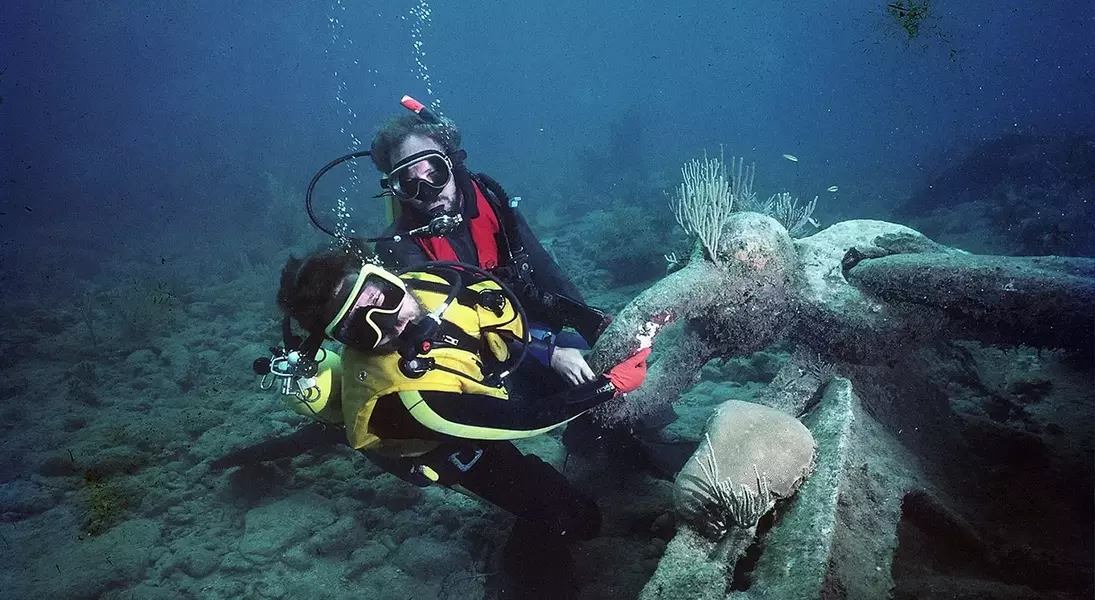
His early fascination with movies, ignited by an American childhood and shows like “Sea Hunt,” laid the groundwork for a parallel career in filmmaking. This duality proved synergistic; both underwater exploration and cinema demand vision and resilience. Dooley's connection with Hollywood cinematographer Al Giddings, renowned for his work on iconic underwater films, deepened his understanding of storytelling. These acquired cinematic skills were put to use when he co-directed “Island of the Blue Treasure,” a documentary that earned him accolades and further fueled his artistic ambitions.
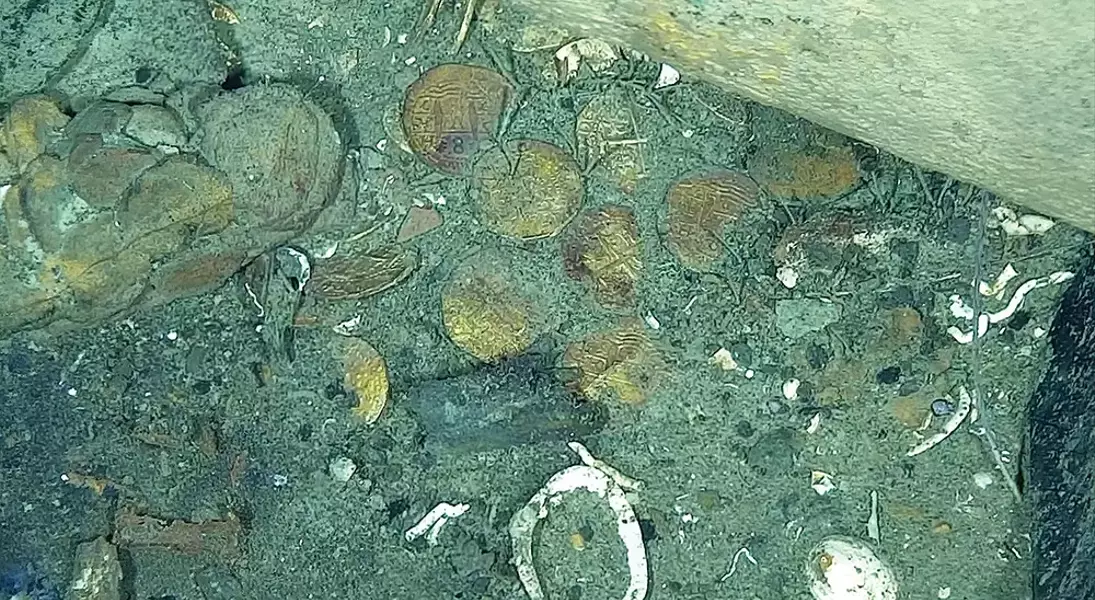
Despite the challenges of Cuba's political landscape in the 1980s, Dooley's dreams of Hollywood never faded. He engaged with prominent producers like Sony Pictures CEO Peter Guber and Gary Foster, pitching audacious ideas, including a film about a sunken Nazi U-boat. After his eventual relocation to the U.S. in 1997, Dooley continued his relentless search for the San José, piecing together clues from various archives. His ability to craft compelling narratives, emphasizing either financial gain for investors or historical significance for governments, proved instrumental in securing the necessary support. In November 2015, backed by a British hedge fund and equipped with advanced marine robotics, Dooley and his team located the San José. Cameras were rolling, capturing the gleam of gold coins on the seabed—a testament to his decades of perseverance.
However, the triumph of discovery was soon overshadowed by complex ownership disputes, with multiple entities staking claims to the wreck. Despite initial acknowledgments from the Colombian government, Dooley's role was largely obscured, pushing him to continue advocating for his rightful place in the narrative. His journey underscores the importance of unwavering passion, the strategic use of communication, and the enduring human desire to uncover hidden wonders. It reminds us that dedication can lead to extraordinary discoveries, even if recognition sometimes follows a winding path, highlighting the need for historical accuracy and equitable acknowledgment in such monumental endeavors.
