
Football, a universally cherished sport, inherently champions unity and diversity, a stark contrast to recent divisive remarks by Manchester United's co-owner, Sir Jim Ratcliffe. This article delves into the sport's powerful role in fostering integration and understanding, drawing inspiration from historical narratives and contemporary examples. It argues that the game, in its essence, transcends borders and prejudices, serving as a powerful force for good in society. The commentary highlights the hypocrisy of those who benefit from football's global appeal while espousing exclusionary views, ultimately advocating for a deeper appreciation of the sport's inclusive spirit.
The current landscape of football, marked by increasing commercialization and a growing disconnect between some owners and the sport's foundational values, presents a critical juncture. The article underscores the importance of recognizing football not merely as a business venture but as a vibrant cultural institution that profoundly impacts social cohesion. It challenges the notion that financial success automatically confers wisdom in diverse domains, especially in an arena as emotionally and communally charged as football. This discussion aims to reaffirm the sport's true purpose: to unite people and celebrate diversity, and to resist narratives that seek to undermine these core principles.
Football as a Unifying Force: Celebrating Diversity
Football stands as a powerful testament to unity and diversity, often bringing together individuals from myriad backgrounds in a shared passion. The article points to the acclaimed television drama 'Cracker' and its depiction of a diverse Manchester United squad as an early illustration of this truth. The sport's history is replete with examples of players and managers from various nations and ethnicities enriching teams and competitions. This inherent multiculturalism within football contradicts the narrow perspectives sometimes expressed by figures like Sir Jim Ratcliffe. The article stresses that football's popularity and reach across all societal strata make it uniquely positioned to break down barriers and foster a sense of belonging, irrespective of one's origin or background. It posits that the true essence of football lies in its ability to generate happiness, inclusivity, and a sense of community.
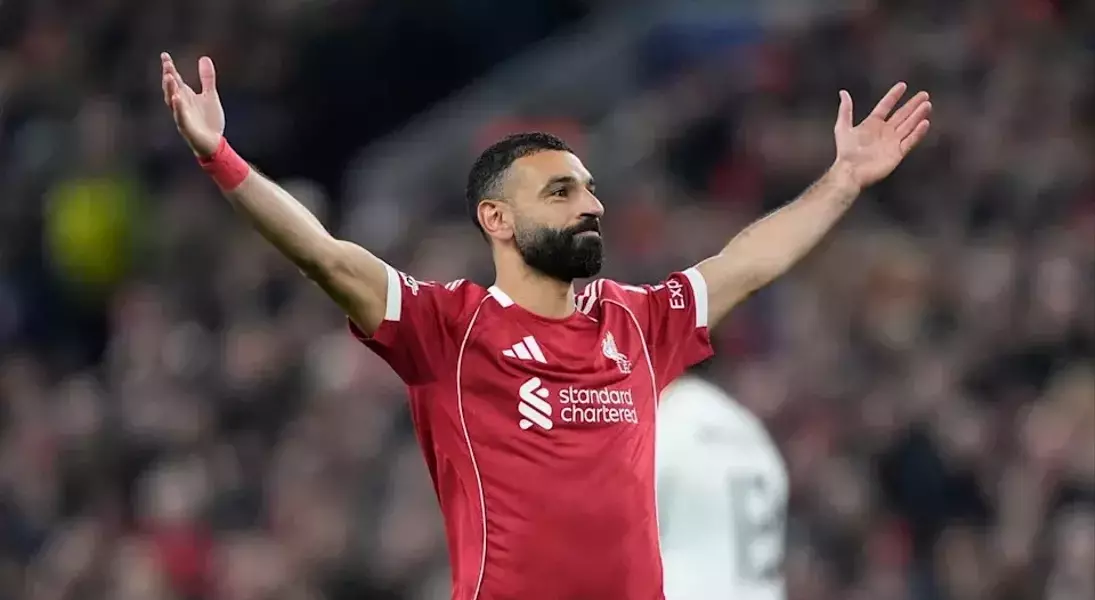
The transformative power of football is evident in its capacity to change attitudes and promote integration. The piece highlights how fans, despite holding diverse or even initially prejudiced views, often come to adore players from different backgrounds, gradually reshaping their perspectives. A notable illustration is the 2019 Stanford University study, which revealed a significant reduction in Islamophobia and hate crime rates in Liverpool, directly attributed to the outstanding performances of Mohamed Salah. This example underscores football's tangible positive impact on societal prejudices. The sport's global nature inherently encourages understanding and acceptance, serving as a powerful counter-narrative to exclusionary ideologies. Despite various challenges and instances of political misuse, football consistently brings people together, making it a uniquely influential social institution that actively combats division.
Ownership and the Spirit of the Game: A Call for Alignment
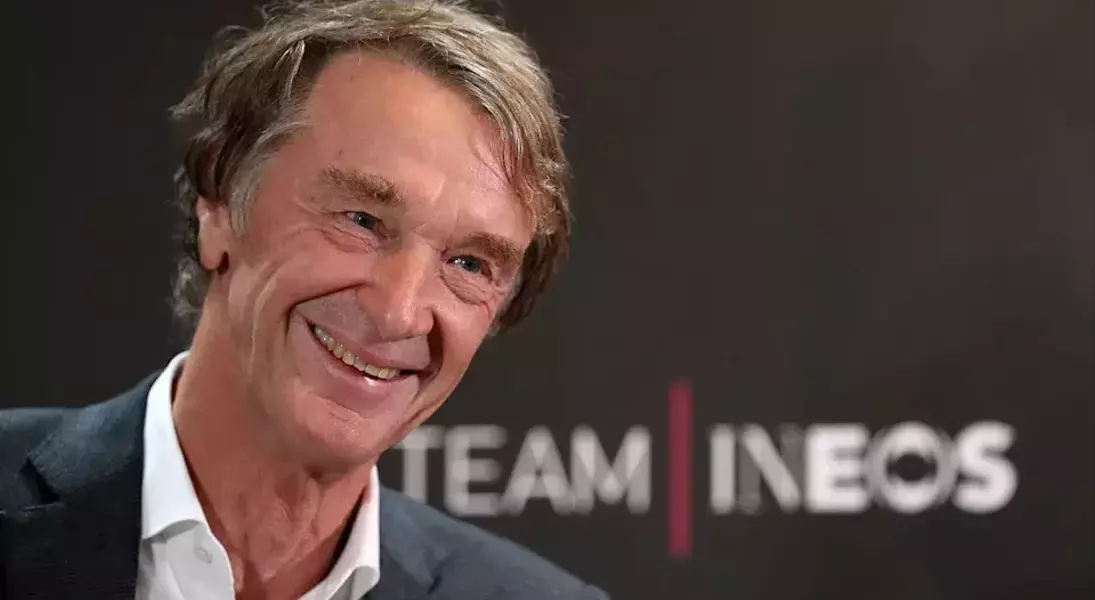
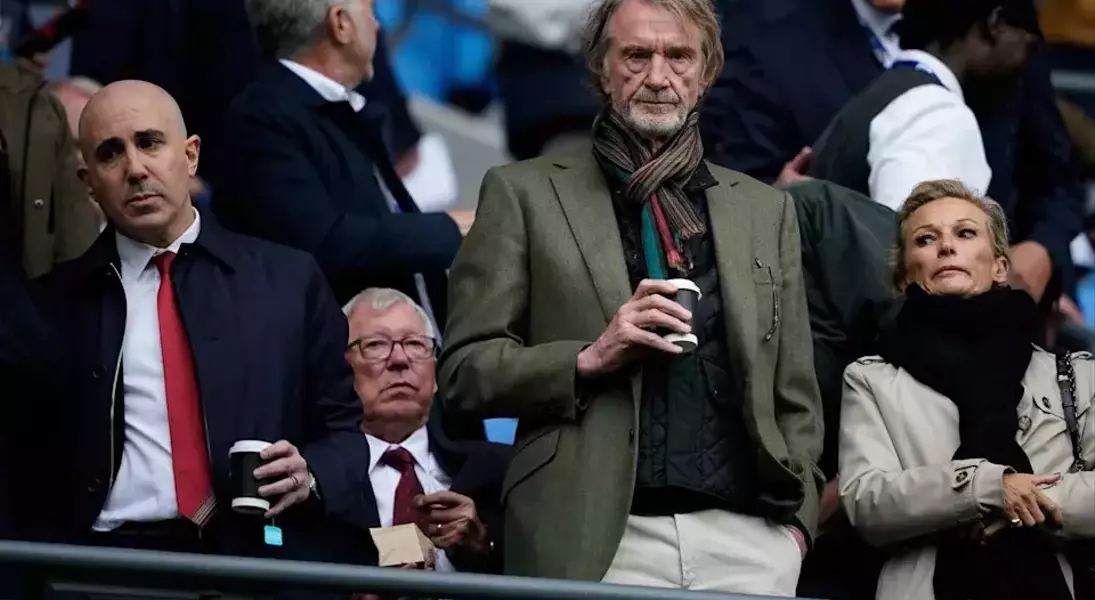
The recent remarks by Sir Jim Ratcliffe, particularly concerning immigration, have ignited a debate about the alignment between football club ownership and the sport's intrinsic values. The article notes the awkward position Manchester United found itself in, compelled to reiterate its inclusive ethos even as one of its co-owners expressed views seemingly at odds with it. This situation mirrors long-standing criticisms regarding the capitalist approaches of owners, such as the Glazers, whose business decisions often prioritize profit over community values. The increasing trend of billionaire and state-backed entities acquiring football clubs has inadvertently created a disconnect, where financial success in one sector is mistakenly believed to translate directly to understanding the nuanced world of sports. This often leads to owners being detached from the grassroots sentiments and inclusive spirit that define football.
The issue of ownership extends beyond individual remarks, touching upon fundamental questions about who truly represents a social institution like a football club. The article critically examines the motivations of some billionaire owners, suggesting that fame and social capital often drive their investments, sometimes leading to what industry insiders term "billionaire idiot syndrome." This phenomenon describes individuals who, having achieved success in one field, assume competence in entirely different domains, often to the detriment of the club's values. The public backlash against Ratcliffe's comments, leading to a partial apology, demonstrates that the elevated platform of football ownership brings heightened scrutiny and responsibility. This episode, therefore, serves as a compelling argument for supporter-led ownership models, ensuring that clubs remain true to the diverse communities they represent and uphold the inclusive nature that is fundamental to the beautiful game.
