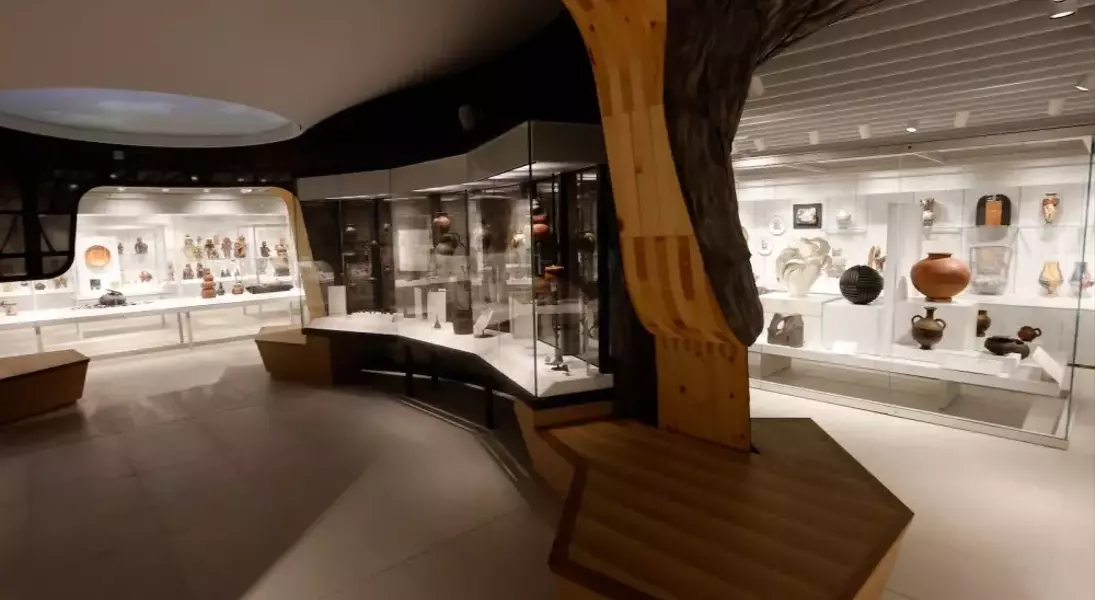
The Gardiner Museum in Toronto has completed a significant 15-month renovation project, investing C$15.5 million (approximately $11 million USD) to revitalize its ground-floor areas. This extensive overhaul introduces new exhibition possibilities and reinforces the museum's dedication to ceramic arts, particularly highlighting Indigenous artistic traditions.
A Renewed Vision: Embracing Heritage and Innovation in Ceramic Art
Transforming the Gardiner Museum: A Comprehensive Overview of Its Major Renovation
The Gardiner Museum, originally established in 1984 by George and Helen Gardiner, has reopened its doors following a substantial renovation. This project focused on modernizing the ground floor and expanding the museum's capacity to display its vast collection of ceramics. The institution boasts an impressive array of over 5,000 ceramic pieces, spanning from ancient artifacts to contemporary works. A key outcome of this renovation is the museum's ability to exhibit up to 40 percent of its collection simultaneously, a rare feat for many art institutions.
Architectural Collaboration and Philanthropic Support Drive Museum Modernization
The renovation was a collaborative effort, spearheaded by Montgomery Sisam Architects and Andrew Jones Design, working in conjunction with studio:indigenous. The project involved the redesign of existing galleries, a complete refresh of the main entrance hall, the creation of a new ceramics studio, and the establishment of a community learning center. Financial backing for this ambitious undertaking came from various public and private benefactors. Notably, a generous donation of C$9 million (approximately $6.4 million USD) from the Radlett Foundation played a crucial role, alongside a gift of over 250 ceramic objects from the late collector William B.G. Humphries, the charity's founder.
“Indigenous Immemorial”: A Permanent Space for Indigenous Clay Art
A central feature of the newly renovated ground floor is the "Indigenous Immemorial" gallery. This permanent exhibition space is specifically dedicated to Indigenous clay artistry from the region where the Gardiner Museum is located. This initiative underscores the museum's evolving focus on Indigenous cultures and art forms. The development of this gallery was guided by Franchesca Hebert-Spence (Anishinaabe, Sagkeeng First Nation), who holds the distinction of being the museum's first curator of Indigenous ceramics. She collaborated with Chris Cornelius (Oneida) of studio:indigenous and an advisory group of Indigenous artists, including Kent Monkman, Tekaronhiáhkhwa/Santee Smith, and Mary Anne Barkhouse, to bring this vision to fruition.
Showcasing Diverse Artistic Talents: Inaugural Exhibitions and International Displays
The reopening of the Gardiner Museum is marked by a series of engaging inaugural exhibitions. These include a specially commissioned artwork for the museum's entrance by Nadia Myre (an Algonquin member of Kitigan Zibi Anishinaabeg First Nation). Myre's work ingeniously incorporates clay pipe stems recovered from Ontario's Thames River, blending historical materials with contemporary artistic expression. Additionally, the museum features an installation by Thai-Canadian artist Linda Rotua in an upstairs gallery, alongside displays of European pottery and creations from both Canadian and international artists, offering visitors a rich and diverse artistic experience.