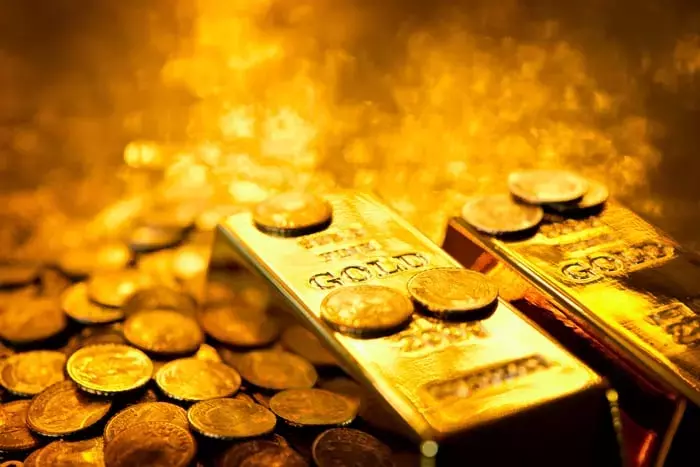
The market for gold is experiencing a remarkable upturn, with its value already reaching unprecedented levels. This surge is fueled by a combination of global uncertainties and strategic moves by major financial institutions. Experts anticipate that this upward trajectory is likely to continue, presenting compelling opportunities for savvy investors.
Global Economic Shifts Propel Gold to New Heights
In a period marked by escalating global tensions and persistent inflationary pressures, gold has re-emerged as a dominant force in the investment landscape. Over the past year, the precious metal has witnessed an impressive 39% appreciation in value, with a notable 8% gain in the most recent month. This robust performance underscores gold's enduring appeal as a reliable sanctuary for capital during turbulent times.
A critical factor driving this phenomenon is the widespread shift in strategy among central banks worldwide. These powerful financial entities are actively reducing their reliance on dollar-denominated assets, opting instead to bolster their gold reserves. This diversification effort gained significant momentum following the geopolitical events of 2022, which prompted a reevaluation of currency stability and asset security.
For three consecutive years, central banks have collectively acquired more than 1,000 tons of gold annually. A recent study by the World Gold Council revealed that a substantial 43% of central banks intend to further expand their gold holdings, with an overwhelming 95% projecting an overall increase in global gold reserves over the next year. This collective purchasing spree has propelled gold to overtake the euro, becoming the second-largest reserve asset held by central banks, now constituting 20% of global reserves.
Adding to gold's bullish outlook is the anticipated monetary policy shift by the U.S. Federal Reserve. Market analysts are predicting a high probability of interest rate reductions in the upcoming Federal Reserve meeting, with futures traders assigning a 92% chance to a quarter-point cut and an 8% chance to a half-point cut. Such a move would typically lead to a weaker dollar, making gold, which is traded in dollars, more affordable and attractive to international buyers, thereby stimulating demand and pushing prices even higher.
Against this backdrop, astute investors are exploring various avenues to capitalize on the rising price of gold. One popular strategy involves investing in diversified instruments such as the MSCI Global Gold Miners ETF (NASDAQ: RING). This exchange-traded fund, with approximately $2 billion in assets under management, holds a portfolio of 42 gold-related stocks, offering a broad exposure to the sector without the need to focus on a single mining company. Its top holdings include Newmont (NYSE: NEM) at 15%, Agnico Eagle Mines (NYSE: AEM) at 14%, Barrick Mining (TSX: ABX) at 8%, and Wheaton Precious Metals (NYSE: WPM) at 7%. The fund itself has more than doubled in value this year, demonstrating a 105% return.
With gold currently trading at around $3,675 per ounce, investment bank Goldman Sachs has projected a potential rise to $5,000 per ounce, particularly if concerns about the Federal Reserve's independence persist. This forecast suggests significant upside potential, making gold a crucial component of a well-balanced investment portfolio.
The current market dynamics underscore a clear message: gold is not just a historical relic but a vibrant and essential asset in today's uncertain economic climate. The confluence of geopolitical risk, inflationary pressures, central bank accumulation, and prospective monetary policy easing creates a powerful tailwind for gold prices. Investors who recognize these fundamental shifts and strategically position themselves to benefit from gold's ascendance are likely to see substantial returns. This period serves as a powerful reminder of gold's role as a resilient store of value and a critical hedge against global instability.
