
A recent legal development concerning Google's Chrome browser ownership has sent ripples through the adtech market, causing a notable downturn for Magnite. This situation highlights the complex interplay of legal rulings, market competition, and investor sentiment within the digital advertising ecosystem.
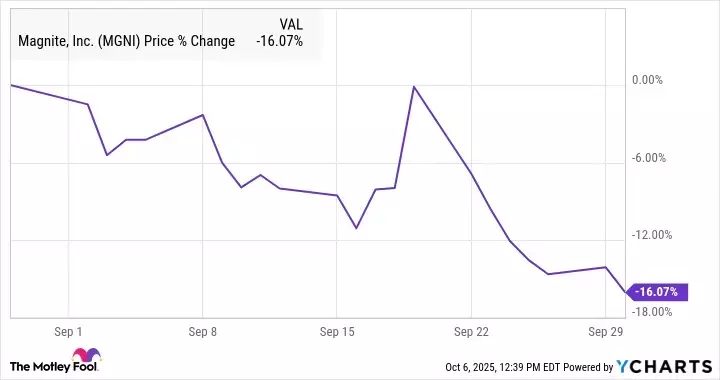
In the preceding month, shares of Magnite, a prominent supply-side adtech platform, experienced a significant decline. This dip coincided with a court ruling that permitted Alphabet, Google's parent company, to retain ownership of its Chrome web browser. The judgment was largely perceived as a setback for Google's adtech rivals, including Magnite, as the Chrome browser plays a pivotal role in bolstering Google's advertising capabilities and refining its ad targeting mechanisms.
Following this initial market reaction, Magnite took its own legal action against Google later in the month. By filing a lawsuit, Magnite joined two other supply-side platforms in challenging Google's market practices. This collective legal endeavor signals a growing belief among competitors that Google's conduct in the adtech space may be anticompetitive, and it suggests that Google's legal entanglements are far from over.
The unfavorable ruling for Google's competitors directly impacted Magnite's stock, which fell by 16% over the month, according to data from S&P Global Market Intelligence. This decline occurred despite a brief recovery after Magnite announced its lawsuit against Google, indicating the persistent pressure on the company's valuation. The market's response underscores the dominant position Google holds in the digital advertising landscape, with its performance often influencing the broader industry.
Google's continued control over Chrome and its Android operating system allows it to maintain a formidable presence in digital advertising. This market dominance has prompted rivals like Magnite to seek legal recourse, citing earlier court findings that Google allegedly engaged in monopolistic behaviors to secure and maintain its power in ad exchange and ad server markets. Magnite's lawsuit aims to seek financial compensation and other remedies to address these perceived unfair practices.
For Magnite, the possibility of a Google breakup was never the primary investment driver. The company has grappled with regaining its footing after a boom period during the pandemic. Despite overall growth in the digital advertising market, Magnite's revenue increased by only 6% in the second quarter. While the company remains profitable, a more accelerated growth trajectory will likely be necessary to spur a significant rebound in its stock performance.
The legal challenges and competitive landscape underscore the dynamic and often contentious nature of the digital advertising industry. As companies like Magnite strive to compete, the outcomes of these legal battles and ongoing market shifts will continue to shape their future and influence investor confidence.
