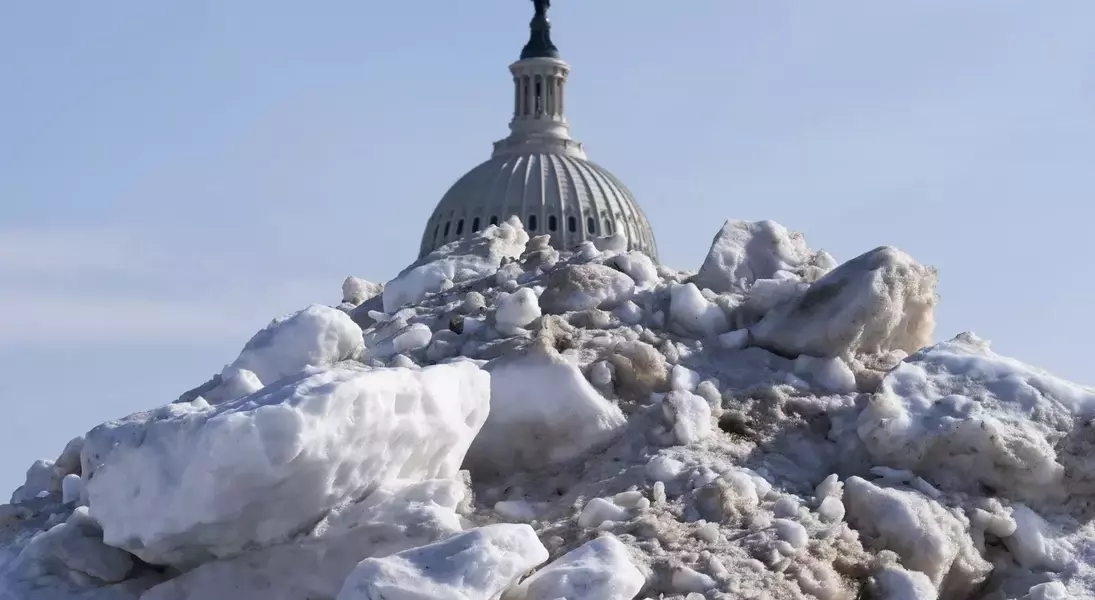
A short-lived disruption to federal operations concluded swiftly as President Donald Trump ratified legislation to finance most government departments until February 13. This resolution brought an end to a partial government closure that had commenced on the preceding Saturday. Despite its brevity, this event underscores the persistent political tensions surrounding immigration enforcement policies and their potential impact on national economic stability. The prompt reopening of the government averted a more significant economic downturn that could have resulted from delayed federal worker salaries and suspended public services. Nonetheless, the incident highlighted the fragility of legislative consensus and the intricate relationship between political maneuvering and economic well-being.
Government Agencies Resume Operations Following Brief Shutdown
On a Tuesday, President Donald Trump signed a critical bill that effectively ended a partial government shutdown, ensuring continued funding for numerous federal agencies until February 13. The shutdown, which began the previous Saturday, was sparked by legislative stalemates primarily concerning immigration enforcement. The contentious debate, marked by a narrow 217-214 vote in the House of Representatives, reflects the deep-seated divisions among lawmakers regarding federal immigration policies. This temporary funding agreement grants legislators a 10-day window to deliberate on potential new restrictions on immigration enforcement, pushing the resolution of these complex issues further down the legislative calendar. While the economic repercussions of this brief closure were largely contained, primarily manifesting as a delay in a much-anticipated labor market report originally scheduled for Friday, the episode served as a stark reminder of how political impasses can ripple through the economy, affecting everything from federal payrolls to vital government services.
The recent government shutdown, though short, offers a valuable lesson in the delicate balance between political discourse and economic stability. It demonstrates how quickly legislative disagreements can translate into tangible economic disruptions, even if minor. For citizens and businesses alike, such events highlight the importance of political foresight and the potential need for more robust mechanisms to insulate essential government functions from partisan gridlock. Looking ahead, the extended debate on immigration enforcement will be a critical watchpoint, as its outcome could dictate future legislative successes or further periods of uncertainty for the nation's economic landscape.
