In an increasingly AI-dominated digital landscape, a peculiar trend has emerged: humans are enthusiastically adopting the persona of AI chatbots, not for deception, but for amusement and a unique form of human connection. This playful subversion of AI expectations is exemplified by platforms like 'Your AI Slop Bores Me' and the comedic endeavors of individuals like Ben Palmer, reflecting a collective desire to inject humor and genuine human interaction back into online experiences.
The Rise of Human-Powered 'AI' Interaction
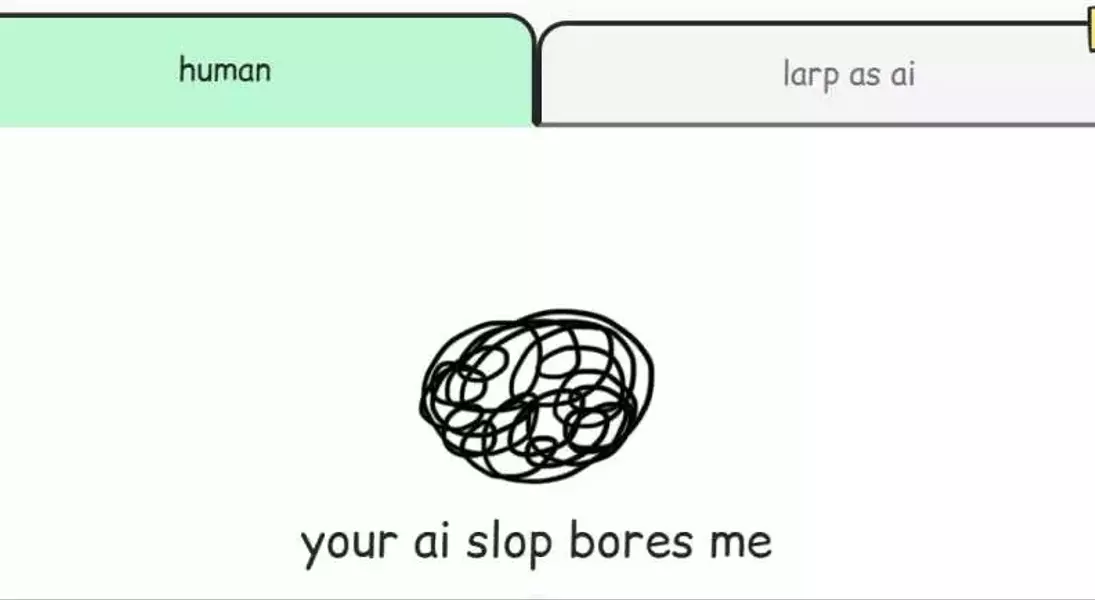
The website 'Your AI Slop Bores Me' has become a popular digital playground, attracting millions of unique visitors who engage in the humorous act of impersonating AI chatbots. This platform, created by Mihir Maroju, allows users to submit requests for images or information, similar to legitimate AI chatbots. However, the responses are not generated by algorithms but by other humans, often under a strict 75-second time limit, leading to spontaneous and often whimsical creations. This concept taps into a broader sentiment of fatigue with the pervasive nature of genuine AI content, offering a refreshing, human-centric alternative that prioritizes playfulness and direct engagement over algorithmic efficiency.
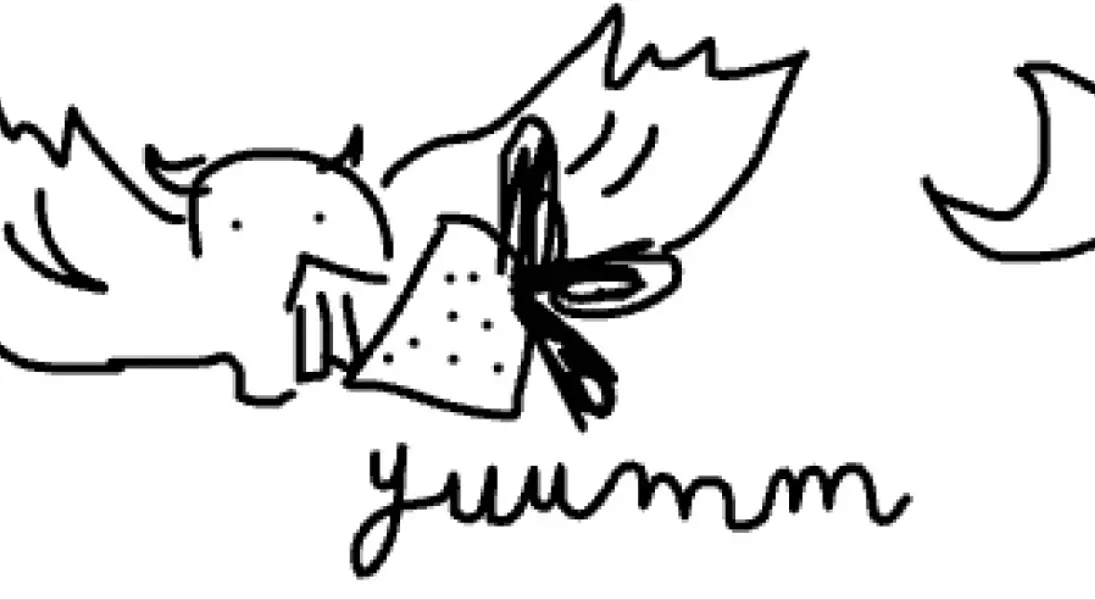
This human-powered 'AI' interaction provides a unique form of entertainment and social commentary. Users find joy in both submitting queries and responding to them, creating a dynamic and unpredictable environment. Cartoonist Amy Kurzweil, for instance, recounted the fun of drawing a bat eating a strawberry in response to a user's prompt, and also the unexpected delight of asking questions and receiving human answers, such as a user's preference between romance novels. The website's nostalgic aesthetic, featuring the Comic Sans MS font, further enhances its appeal by evoking a simpler, more human-focused era of the internet, contrasting sharply with the slick, often impersonal interfaces of modern AI tools. This trend suggests that despite technological advancements, there remains a strong human desire for authenticity and the unexpected quirks that only human interaction can provide.
Subverting Expectations and Exploring the 'Dark Side'
Beyond playful websites, the concept of humans masquerading as AI has found its way into performance art and comedy. Comedian Ben Palmer gained notoriety for setting up fake ChatGPT websites, where unsuspecting users believe they are interacting with genuine AI, only to find themselves conversing with Palmer himself. These interactions, sometimes frustrating for the users, often evolve into engaging and humorous exchanges, highlighting the unpredictable nature of human-to-human communication even when disguised as artificial. Palmer's intention is to challenge the corporate-driven, often sterile environment of the modern internet, advocating for a more "messy, vibrant place" where human spontaneity can disrupt algorithmic predictability.
While largely comedic, this practice is not without its challenges. Palmer acknowledged a "dark side," as he sometimes receives requests for inappropriate content, which he declines to fulfill. This underscores the ethical considerations that arise even in playful deceptions, reminding participants that human boundaries and responsible online behavior remain crucial. Nevertheless, the phenomenon, supported even by major AI developers like OpenAI, is seen as a form of "sketch comedy" that reflects how deeply AI has permeated pop culture. It also emphasizes the evolving distinction between how humans communicate with machines and how they interact with each other, even when one is impersonating the other. This trend ultimately celebrates human ingenuity and our innate ability to find humor and connection in unexpected digital spaces.
