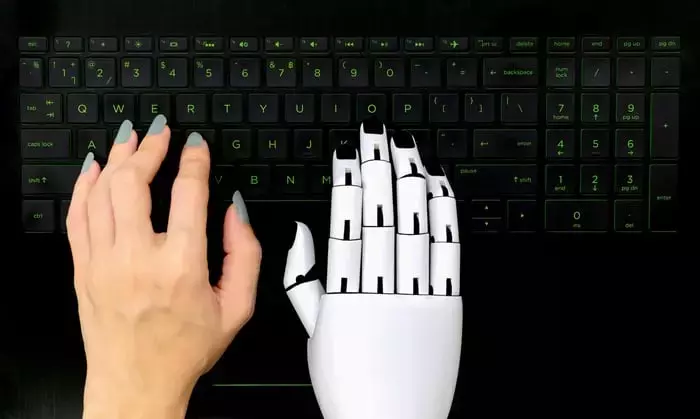
While artificial intelligence is rapidly evolving, a pervasive misconception suggests that AI systems are poised to entirely displace existing online services and human roles. This perspective often highlights concerns that platforms facilitating human freelance work, such as Fiverr and Upwork, or even language learning applications like Duolingo, will become obsolete as AI-powered alternatives like ChatGPT, Google Gemini, and advanced translation tools mature. The fear is that complex tasks, from writing web pages to translating legal documents, could be handled solely by algorithms, eliminating the need for human involvement.
However, this viewpoint overlooks a critical aspect of AI's current capabilities: its reliance on human guidance and refinement. Experts, including Fiverr's CEO Micha Kaufman, emphasize that even the most sophisticated AI tools require substantial human interaction for effective deployment and management. Fiverr, for instance, is experiencing significant growth in segments focused on teaching humans how to manage and instruct AI, indicating that human oversight is not just beneficial but essential. This human element is vital for optimizing AI outputs, ensuring they meet specific industry standards, brand guidelines, and cultural sensitivities, especially in areas like precise business documentation and high-stakes translation.
From the perspective of a professional translator, the limitations of current AI are particularly evident. Automated translation services, despite years of development, frequently struggle with the subtle nuances, idiomatic expressions, and contextual complexities that are inherent in human language. The creative and interpretive aspects of language, crucial for accurate and natural-sounding translations, remain largely beyond AI's grasp. This reality reinforces the value of human translators and reviewers in post-editing machine-translated content, a process critical for maintaining accuracy and relevance. Therefore, companies like Alphabet, Fiverr, and Duolingo, far from being AI's victims, are leveraging AI as a powerful tool that enhances, rather than eradicates, the need for human expertise, presenting unique investment opportunities for those who understand this symbiotic relationship.
The integration of artificial intelligence into various sectors illuminates a profound truth: technology, no matter how advanced, serves as a magnifier of human capability, not a replacement for human ingenuity. This synergy fosters a future where innovation and progress are achieved through collaboration between humans and machines, continually pushing the boundaries of what's possible and enriching society in unexpected ways.
