




A Kentucky school's decision to implement a comprehensive ban on cellphones throughout the school day has yielded a mix of anticipated successes and unexpected challenges, sparking a wider discussion about technology's role in the learning environment. This initiative, part of a statewide trend, aimed to curb digital distractions and foster a more focused educational atmosphere. The Jefferson County school district, which includes the Academy @ Shawnee, adopted a strict "bell-to-bell" policy, requiring students to keep their devices out of sight from arrival to dismissal. School administrators, including Principal Hollie Smith, noted a significant shift in student behavior, with classrooms becoming more interactive and the cafeteria buzzing with face-to-face conversations, indicating a positive impact on social engagement and academic focus.
Despite the administration's positive observations, the student body's reception to the ban was less enthusiastic, with many students expressing frustration and actively seeking loopholes. The school introduced Yondr pouches, lockable neoprene sleeves for phones, to enforce the policy, but students quickly devised strategies to bypass the system, such as bringing spare phones or tampering with the pouches. Senior students Jayden O'Neil and Quani'e Lanier voiced their discontent, emphasizing their desire for greater autonomy over their personal belongings as they approach graduation. However, even with these workarounds, a junior student, Joseph Jolly, conceded that the ban had inadvertently led to increased productivity in class, as students, by mutual understanding, chose to keep their phones stowed away, even if not secured in the pouches.
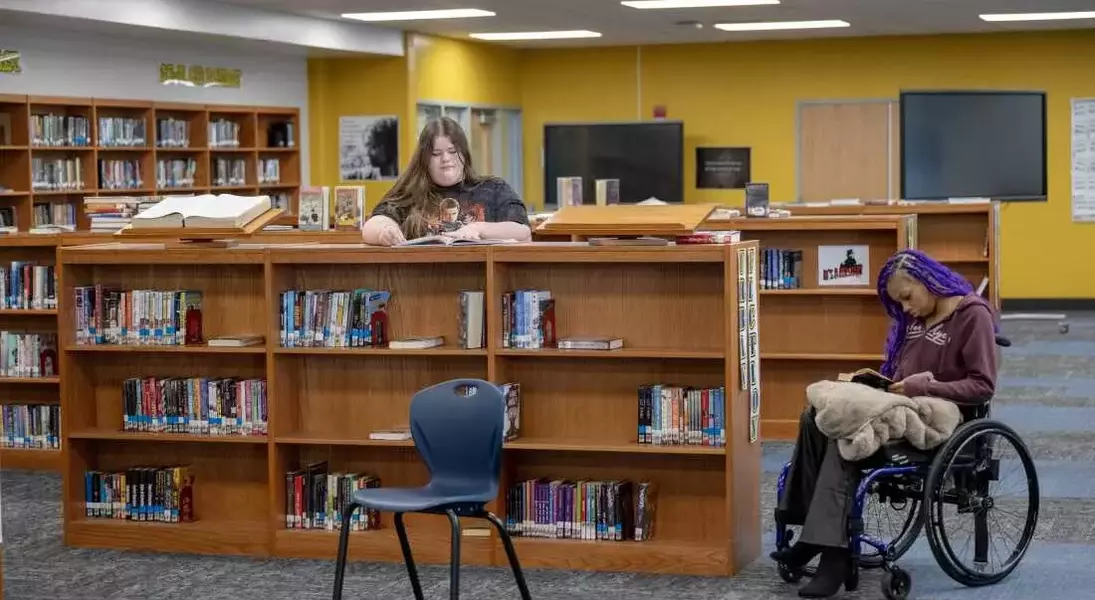
The most striking positive outcome of the cellphone restriction emerged in the school library, where librarian Anton Caldwell reported an unprecedented surge in book checkouts, tripling the previous year's figures. This unexpected consequence suggests that removing digital distractions prompted students to rediscover traditional forms of engagement and entertainment, leading to a vibrant reading culture. While the cellphone ban at the Academy @ Shawnee may not have achieved its objectives precisely as intended, it has undeniably reshaped student interactions and academic routines. The experience highlights the complex dynamics of integrating technology policies in schools, demonstrating that even partial adherence can lead to meaningful shifts in student behavior and engagement.
The journey of the Academy @ Shawnee with its cellphone ban illustrates a broader truth: fostering an optimal learning environment requires continuous adaptation and a deep understanding of student needs and behaviors. While direct compliance may vary, the ultimate goal of encouraging deeper engagement, critical thinking, and genuine human connection remains paramount. By creating spaces where students can momentarily unplug, schools offer invaluable opportunities for personal growth and academic enrichment, preparing them for a future where mindful technology use is a vital skill.
