
On the horizon are the initial statewide primary elections in the United States, with North Carolina and Texas leading the way. These crucial electoral events will offer valuable insights into the potential composition of Congress later this year, and more broadly, illuminate the evolving political sentiments of the electorate as President Trump's second term progresses. The outcomes are keenly anticipated to shed light on voter priorities and party dynamics.
Crucial Primary Showdowns Unfold in North Carolina and Texas
This Tuesday, March 3, 2026, marks a significant day for American politics, as North Carolina and Texas host their primary elections. These contests are among the first in the nation and are expected to provide early indicators for the upcoming midterm elections, potentially reshaping the balance of power in Congress and offering insights into the electorate's direction during President Trump's current term.
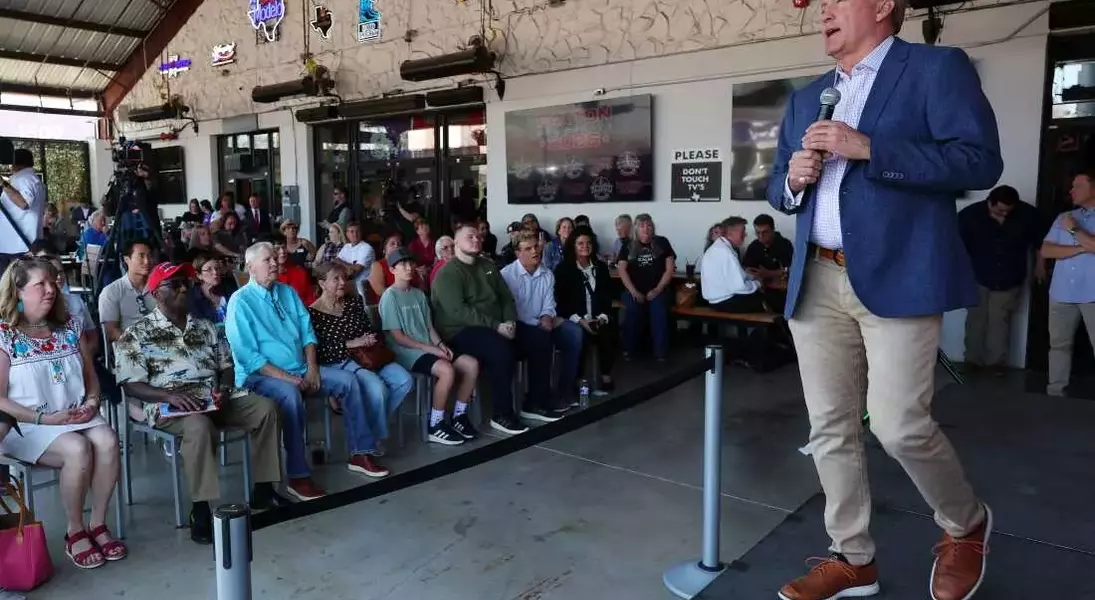
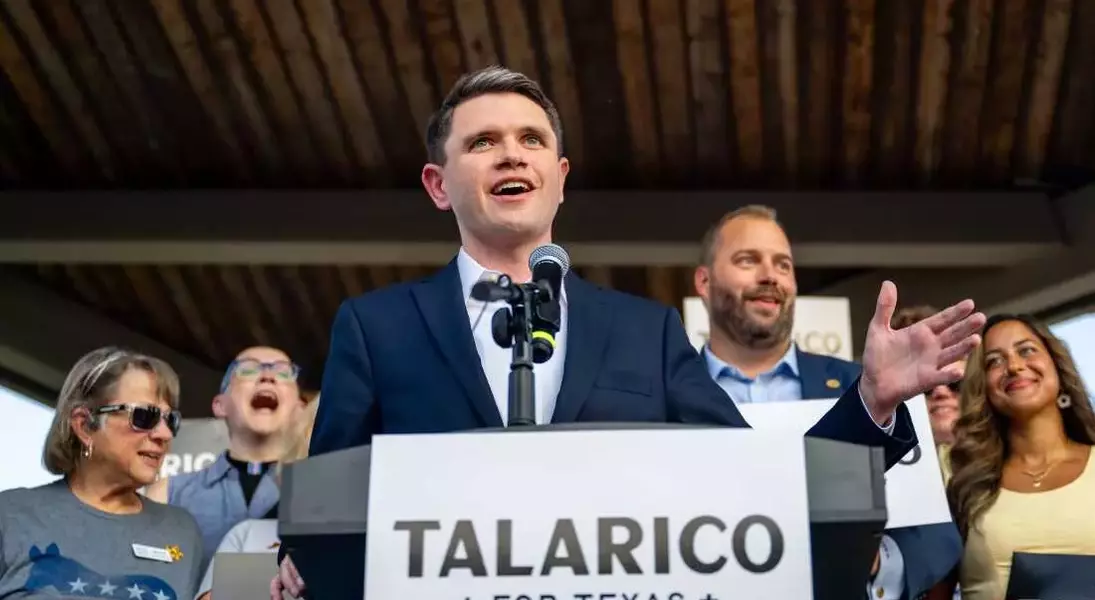
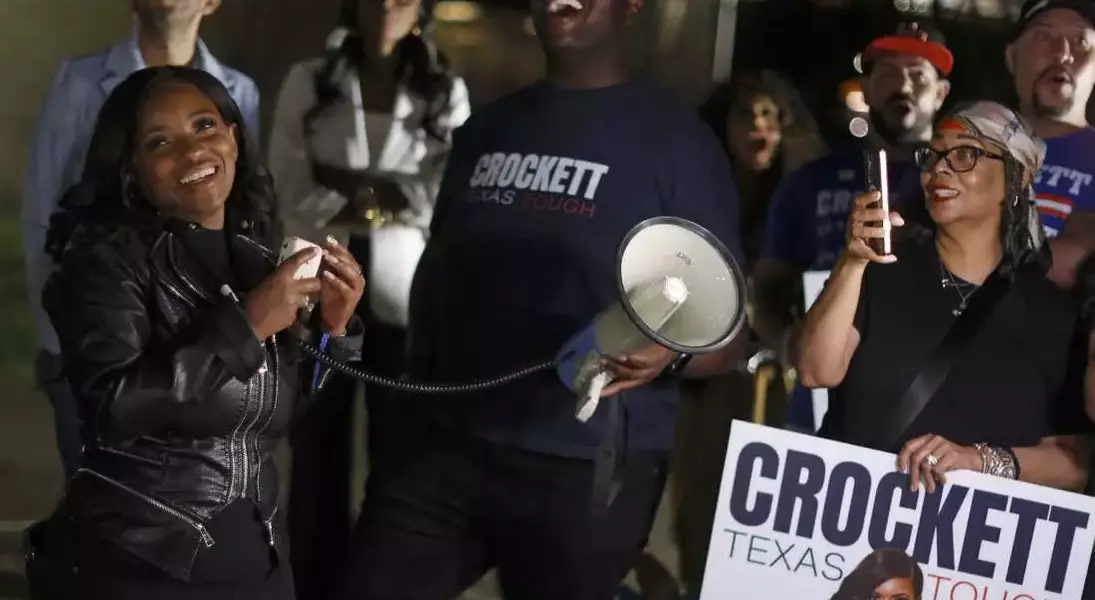
In Texas, the Republican Senate primary is intensely focused on candidates' loyalty to President Trump. Senator John Cornyn, a veteran from 2002, faces challenges from Attorney General Ken Paxton, who has leveraged his own legal battles to mirror Trump's narrative of political persecution, and Congressman Wesley Hunt, who, despite polling third, could push the race into a runoff. Historically, Democrats have struggled statewide in Texas for over three decades, yet they harbor hopes of flipping a Senate seat. Concerns over economic issues like the cost of living and immigration policies are seen as potential catalysts for a Democratic resurgence, with recent polls indicating growing dissatisfaction with the national direction. Notable Democratic contenders include Dallas-area Congresswoman Jasmine Crockett and State Representative James Talarico from Austin, both with considerable public recognition, who are vying for the nomination to confront the Republican nominee.
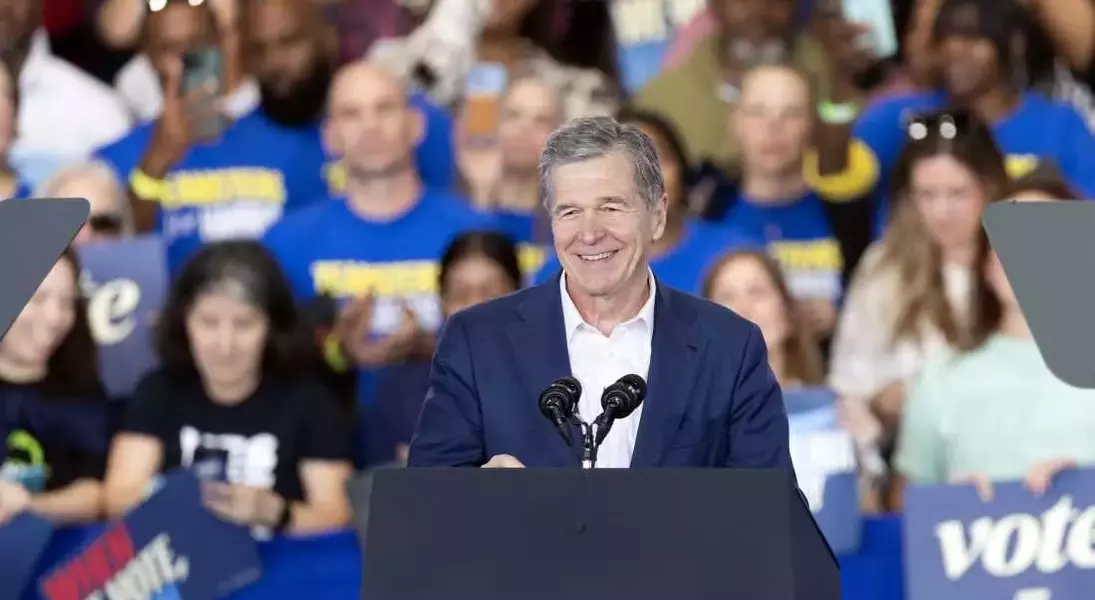
Simultaneously, North Carolina's Republican Senate primary is also heavily influenced by Trump's endorsement, particularly for former RNC Chairman Michael Whatley. Whatley is challenged by opponents who argue their conservative stances more closely align with the president's agenda. Democrats in North Carolina, who haven't secured a U.S. Senate victory since 2008, are placing their hopes on the popular former Governor Roy Cooper. His decision to run effectively cleared the Democratic field, setting the stage for an early focus on the general election and direct exchanges between Cooper and Whatley.
The broader political landscape reveals a potential discontent among primary voters with established party figures. Recent upsets, such as Analilia Mejia's victory in a New Jersey Democratic primary, suggest a trend of voters seeking alternatives to incumbents. This sentiment is echoed in North Carolina, where Democratic Congresswoman Valerie Foushee faces challenges, and long-serving Republican state Senate leader Phil Berger is contending with an opponent criticizing his ties to lobbyists. The year also sees an unusually high number of North Carolina Republican state lawmakers facing primary challengers. In Texas, the possibility of a runoff for the Republican Senate nomination highlights the fierce competition, potentially extending the primary battle into late May.
A critical demographic in Texas, Latino voters, are also under scrutiny. While the economy and immigration issues previously drew many to support Trump in 2024, persistent high living costs could alienate them from the Republican Party. Political analysts like Brandon Rottinghaus of the University of Houston observe that the Latino electorate represents a significant swing vote, open to supporting either party. However, stricter immigration enforcement under the Trump administration might prompt a shift towards Democratic candidates, indicated by increased Democratic turnout in areas with large Latino populations. Conversely, Daniel Garza of the LIBRE Initiative argues that Latinos are increasingly comfortable voting Republican, making the economy a decisive factor.
Finally, redistricting efforts have played a substantial role in shaping the competitive nature of these elections. Following President Trump's directives, both Texas and North Carolina have redrawn their congressional maps to favor Republican candidates, aiming to create more safe seats. For instance, North Carolina's 1st Congressional District was made more conservative, attracting a crowded GOP primary field to challenge the incumbent Democratic Congressman Don Davis, who now faces an uphill battle. Some Democratic states, like California, have also engaged in redistricting to counter these changes, reflecting an ongoing nationwide struggle over electoral boundaries.
These primary elections in North Carolina and Texas offer a compelling glimpse into the evolving dynamics of American politics. The intense competition, coupled with the strategic implications of redistricting and shifts in voter sentiment, underscores the importance of every ballot cast. As these states navigate their internal party contests, the nation watches for clues about the future direction of its leadership and legislative priorities. The outcomes will not only shape local and state representation but also contribute significantly to the broader narrative of the upcoming general election.
