
In an era defined by rapid technological advancement, artificial intelligence stands out as a pivotal force reshaping industries and economies. This analysis delves into three corporate giants—Nvidia, Tesla, and Palantir Technologies—each playing a distinct yet interconnected role in propelling the AI revolution forward. From the foundational hardware that powers AI to its tangible applications in autonomous systems and sophisticated software solutions, these companies exemplify the diverse opportunities within this burgeoning sector. For investors seeking to engage with the future of technology, understanding the strategic contributions and growth trajectories of these innovators is essential.
Pioneering AI: Nvidia's Hardware Supremacy, Tesla's Autonomous Vision, and Palantir's Data Intelligence
The tech landscape has witnessed a significant uplift, with the Nasdaq Composite index climbing 18% this year, largely fueled by the immense potential of artificial intelligence. Recent financial disclosures from major technology firms underscore the substantial scope within the AI domain. This article highlights three companies—Nvidia, Tesla, and Palantir Technologies—that are not only transforming the world through their cutting-edge innovations but also present promising investment avenues for those keen to capitalize on the AI boom.
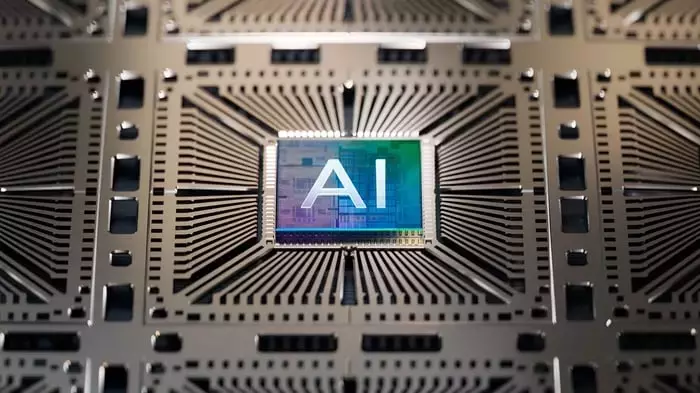
First in line is Nvidia, the undisputed leader in manufacturing the specialized processors that enable AI. Its Graphics Processing Units (GPUs) are indispensable for the most powerful computing systems and data centers globally. Nvidia's data center division constitutes the core of its operations, having registered an impressive 56% year-over-year growth in the most recent fiscal quarter. The demand for increasingly sophisticated AI applications mandates greater computational power, securing Nvidia's position as a dominant supplier. Its relentless pace of innovation poses a formidable barrier for competitors, allowing Nvidia to maintain its leadership in the GPU market for decades.
A testament to Nvidia's unparalleled prowess is its recent $100 billion collaboration with OpenAI, creators of ChatGPT. This monumental undertaking represents the largest AI infrastructure project to date, designed to accelerate OpenAI's AI development and foster the creation of even more advanced models. Sam Altman, CEO of OpenAI, lauded Nvidia's unique capability to execute such a project at this scale and speed. Beyond chips, Nvidia is also innovating in computing systems for physical AI applications, including robotics and self-driving vehicles, sectors poised for multi-trillion-dollar expansion in the coming years.
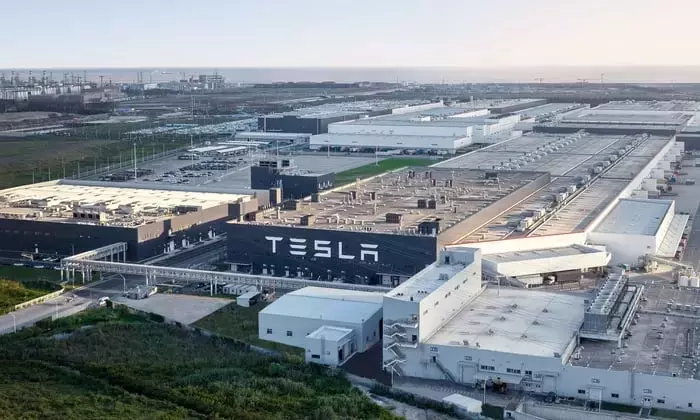
Next, we turn to Tesla, a company that, despite stock volatility, has seen its shares surge approximately 250% since late 2022. Investors are increasingly recognizing Tesla's forward-looking strategy in autonomous technology. The company has invested billions in research and development, aiming to rapidly deploy its robotaxi fleet and, eventually, its Optimus humanoid robot—a product anticipated to yield substantial value. While Tesla entered the ridesharing market later than some, its camera-based AI approach offers rapid scalability and cost efficiency, distinguishing it from rivals relying on more expensive LiDAR technology. Tesla's capacity to produce nearly 2 million vehicles annually at a profit provides a significant competitive edge. The introduction of the CyberCab next year, designed for minimal operational costs, including robotic interior cleaning, further solidifies this advantage. Renowned investor Cathie Wood of Ark Invest projects Tesla's stock to reach $2,600 by 2029, driven by anticipated robotaxi profit margins. Furthermore, CEO Elon Musk has consistently emphasized that the Optimus robot will ultimately become the company's most valuable asset, with a target of manufacturing 1 million units by 2030. Musk himself recently demonstrated confidence in Tesla's future by acquiring $1 billion worth of company stock at prices between $372 and $396, reinforcing the common adage that insiders buy for only one reason: belief in future appreciation.
Completing this trio is Palantir Technologies, which excels in the software dimension of the AI market. Palantir furnishes organizations with a profound layer of intelligence, enabling them to gain deeper insights into their operations and make informed decisions to boost revenue and optimize profitability. Employing an ontology-based framework, Palantir integrates diverse data sources to facilitate decisive action. Its solutions offer deep intelligence, rapid processing, and precision within a highly secure environment, which is why the U.S. government entrusts Palantir with sensitive military data. Despite some investor reluctance due to its high valuation, Palantir possesses intangible competitive advantages, such as the deep trust it has cultivated with governmental entities, which are difficult to quantify and replicate. The company's platforms are also delivering substantial cost savings for clients. Valuing such a value-generating platform is complex, especially given the vast untapped market. Management anticipates accelerated revenue growth in the latter half of the year, projecting a 44% increase over 2024. Once adopted, Palantir's platform becomes deeply integrated into client operations, ensuring high retention rates. This success fuels further investment in its AI platforms, promising enhanced value for customers and shareholders alike. Palantir has already demonstrated significant profitability, with free cash flow soaring by 765% to $1.7 billion over the past three years, positioning it as a potential candidate to join the ranks of the 'Magnificent Seven' as one of the world's most valuable companies in the long term.
This insightful report on leading AI companies underscores the transformative power of artificial intelligence across various sectors. For me, as a financial analyst, the key takeaway is the criticality of differentiating between companies that merely utilize AI and those that are foundational to its advancement. Nvidia's role in hardware, Tesla's integration of AI into physical products, and Palantir's sophisticated software solutions illustrate a comprehensive ecosystem. This highlights a crucial investment principle: true long-term value often resides in enterprises that create indispensable infrastructure or offer uniquely differentiated applications within a disruptive technological wave. Furthermore, the insider stock purchases by figures like Elon Musk serve as a powerful indicator of confidence, reminding us that sometimes, the most direct signals come from those closest to the innovation. It reinforces the notion that while market sentiment can be volatile, deep conviction from company leaders often precedes significant growth. Investing in AI, therefore, demands not just an understanding of the technology, but also a sharp eye for market leadership, intrinsic value creation, and the strategic foresight of those at the helm.
