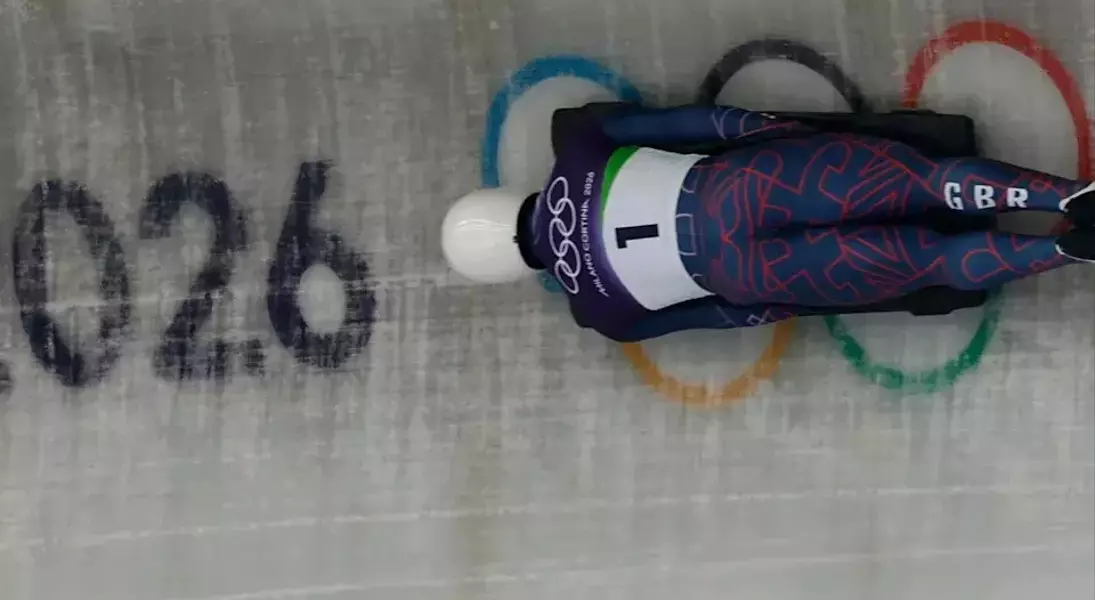
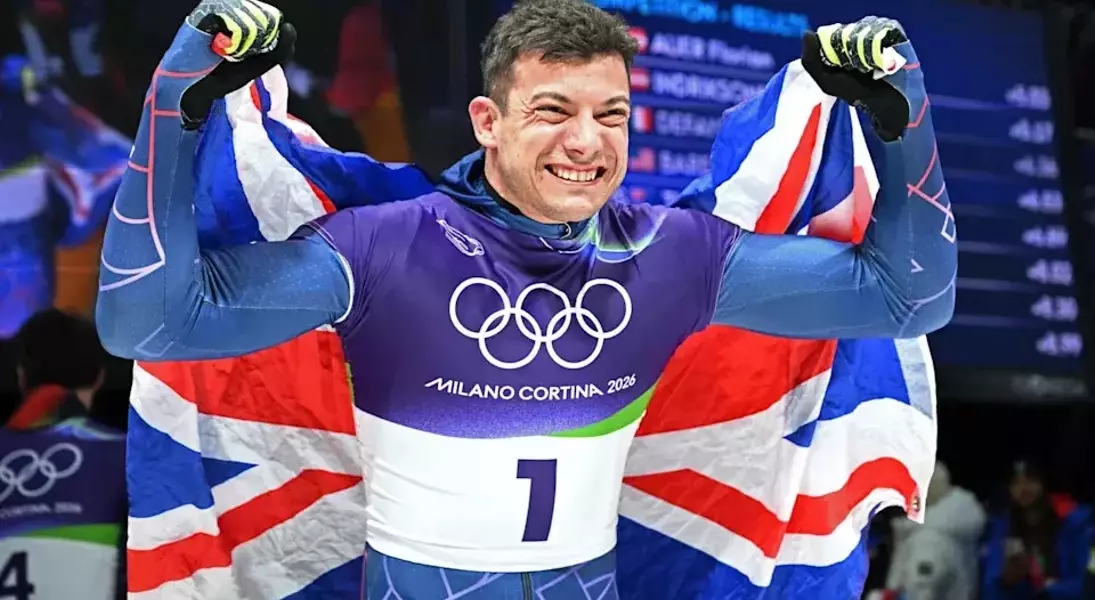
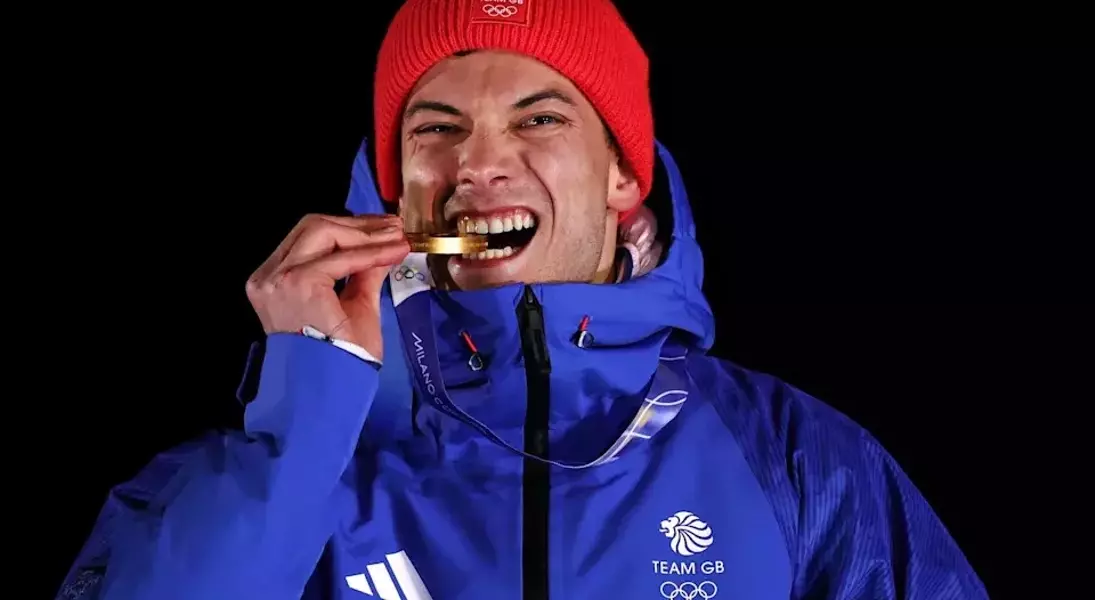
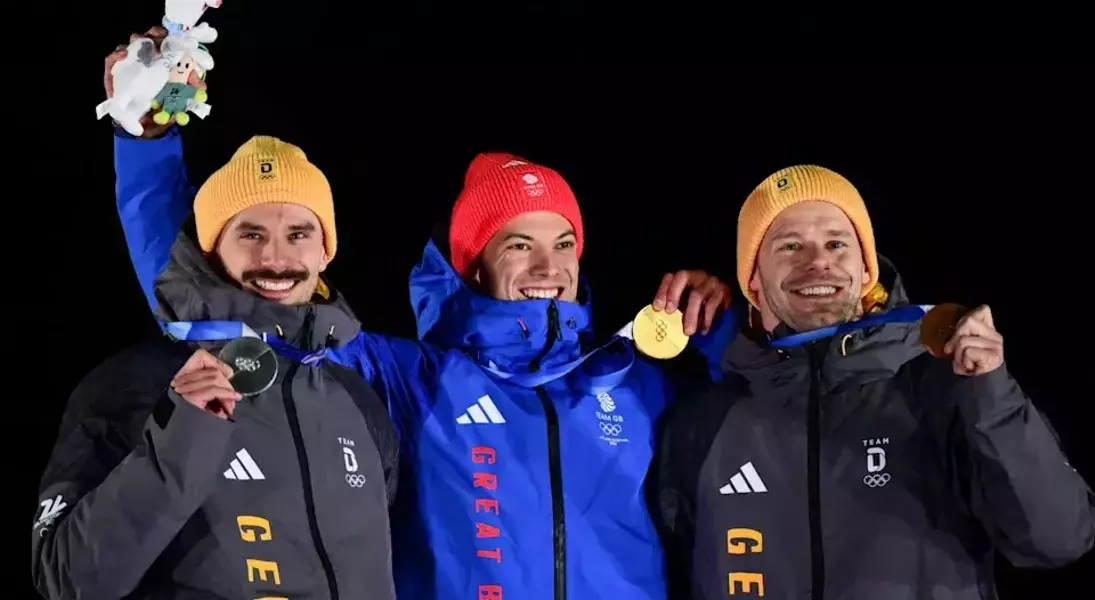
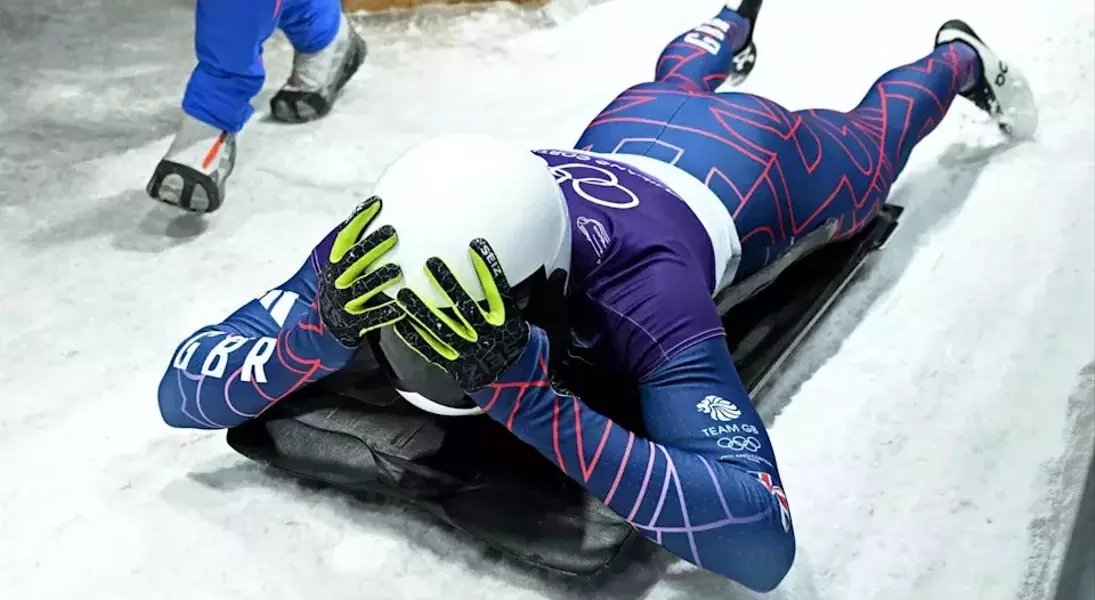
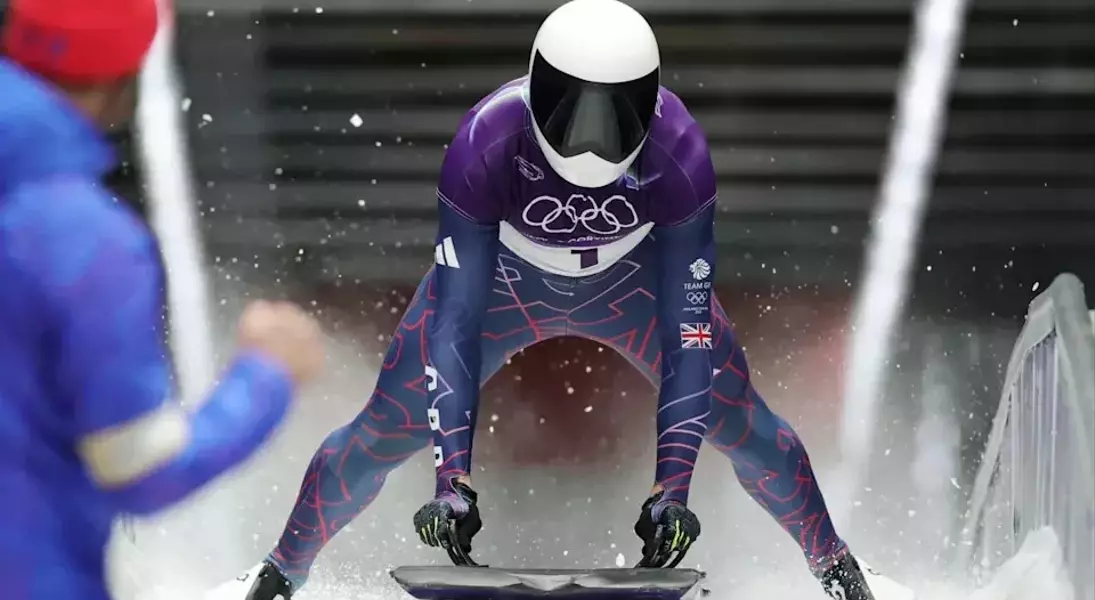
Matt Weston achieved a significant milestone by securing Great Britain's initial gold medal at the current Winter Games, marking him as the first British male to clinch an Olympic skeleton title since Sir Christopher Dean's victory in 1984. His triumph, characterized by setting four consecutive track records at the Cortina Sliding Centre, underscored his absolute dominance over competitors. This win is not merely a personal victory but also highlights the success of strategic investments in the sport, marrying human prowess with advanced engineering, reminiscent of Formula One's precision.
Weston's journey to Olympic glory was anything but conventional. Hailing from Surrey, the 28-year-old athlete previously excelled in various sports, including taekwondo, where he was a junior world medalist, and rugby union, playing for the Saracens academy. A debilitating stress fracture in his back, however, narrowed his athletic pursuits. Skeleton, a sport demanding both daring and precision, proved to be an unexpected fit for his exceptional physical coordination and balance. His unique ability to juggle while unicycling, for instance, speaks to the intricate body control crucial for steering a brakeless sled at high speeds. His training even included rigorous sessions with the Royal Marines, honing his mental and physical fortitude.
Within four years of beginning skeleton, Weston had already claimed a World Cup victory. Despite a moment of contemplation regarding retirement after finishing 15th at the Beijing Games, his resolve led him back to the sport. With two world and European titles under his belt in recent years, he arrived in Italy as the undisputed favorite for the gold medal. His consistent performance, characterized by impeccable runs and an almost Zen-like composure even at speeds exceeding 80mph, left his competitors trailing. His final lead of 0.88 seconds over Germany's Axel Jungk was not only a commanding margin but also the second-largest in Olympic history for the event.
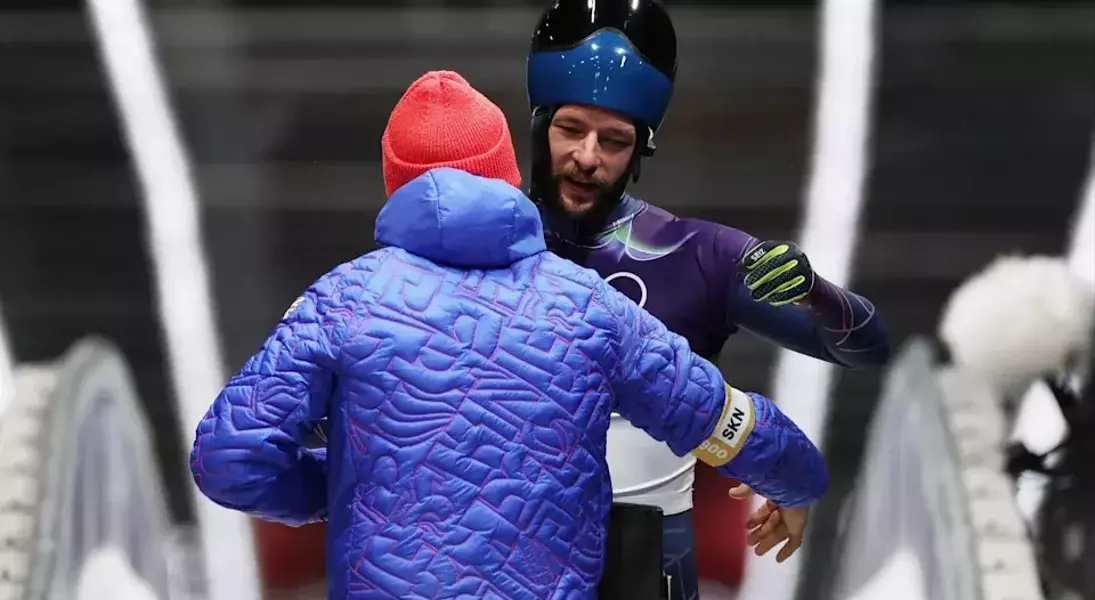
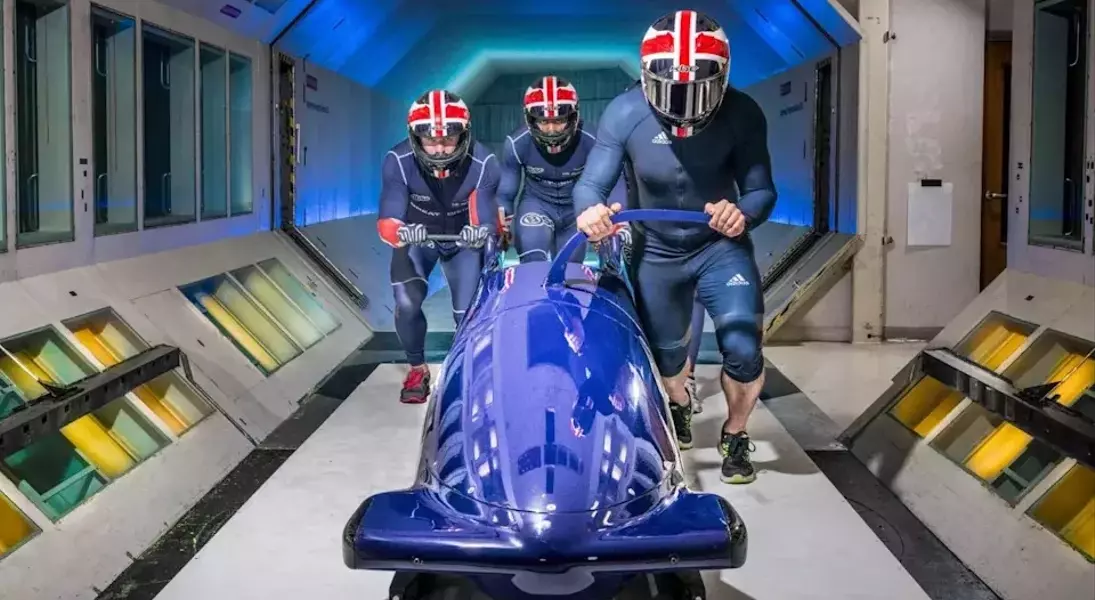
The success is also a testament to the sophisticated support system nurtured by UK Sport. Even with a reduction in skeleton funding post-Beijing, strategic partnerships with academic institutions and leading companies, including Formula One teams, have been instrumental. These collaborations have facilitated the development of cutting-edge equipment and training methodologies. For instance, equipment underwent rigorous aerodynamic testing in a Manchester wind tunnel, and a flight simulator at the Bath practice track allows athletes like Weston to virtually navigate Olympic courses. The camaraderie and mutual support among teammates, such as Weston and Marcus Wyatt, who shared accommodations and insights, also played a crucial role in fostering their success.
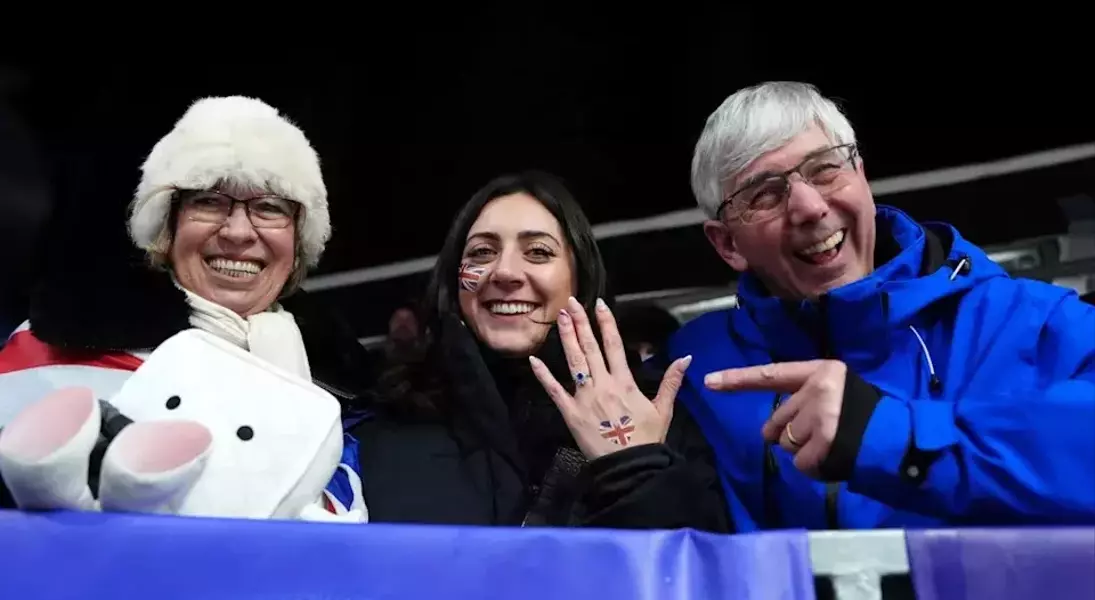
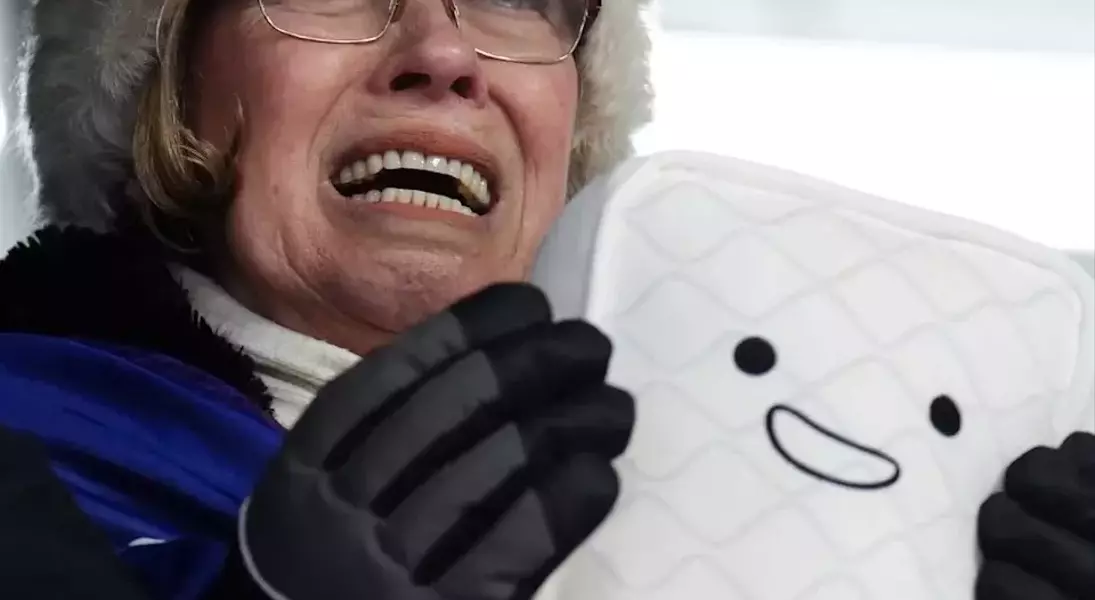
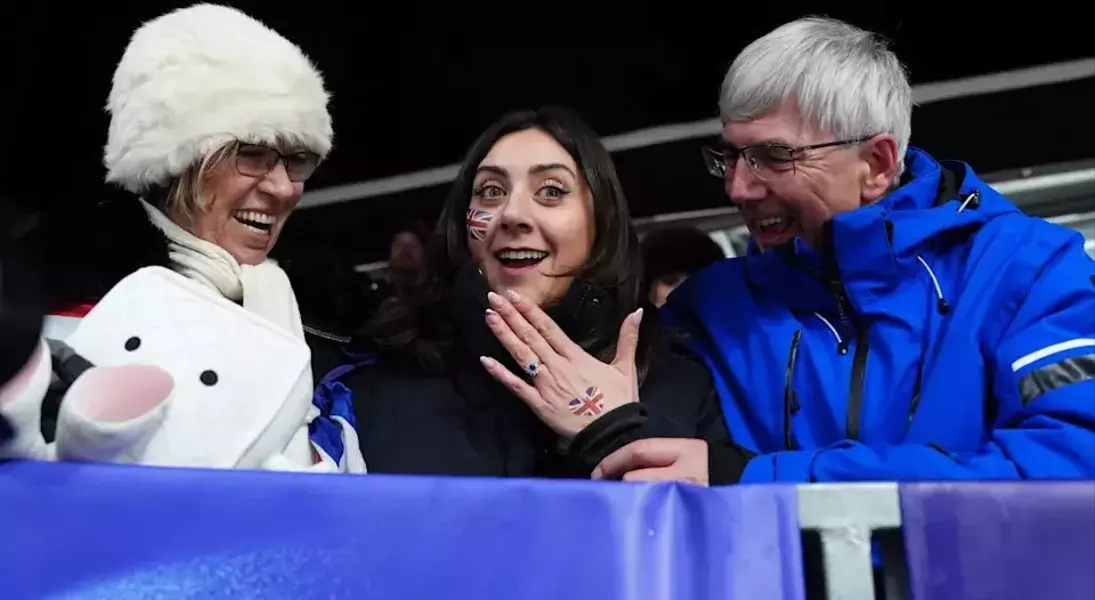
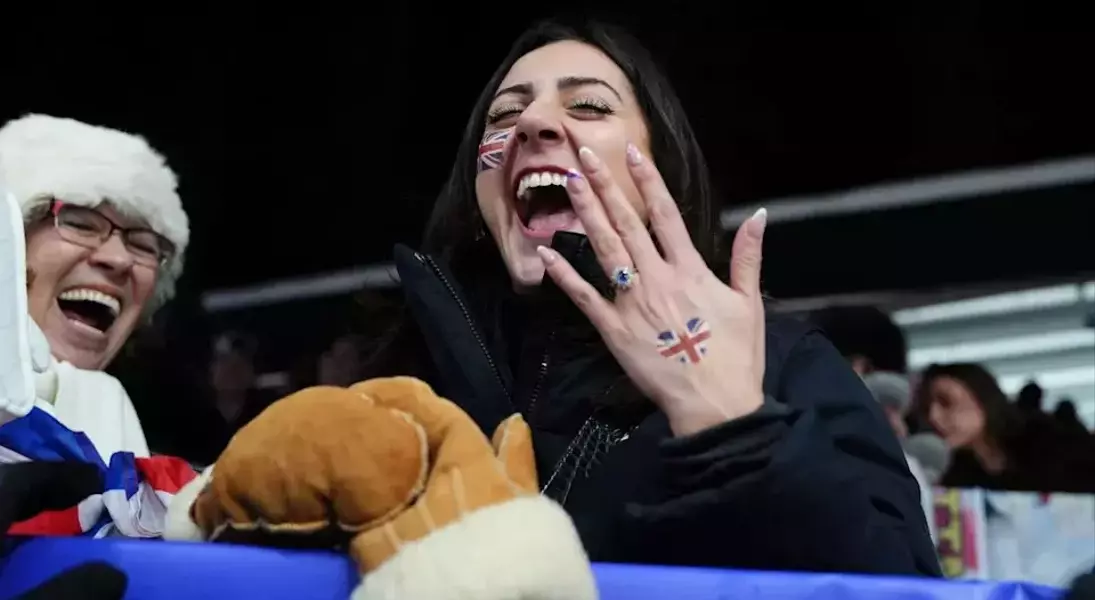
Weston's emotional response to his victory—roaring with delight, flexing his biceps, and expressing heartfelt gratitude to his family for their sacrifices—captured the essence of his achievement. His fiancée, Alex Howard-Jones, and parents, Tom and Alison, celebrated with unwavering confidence, reflecting the collective journey and dedication behind this monumental win. As he prepares for his wedding in July, Weston's Olympic gold caps off an extraordinary year, solidifying his legacy in skeleton racing and as an inspiration for future athletes. The meticulous preparation, coupled with his innate talent and resilience, culminated in a truly historic performance, bringing immense pride to Team GB.
