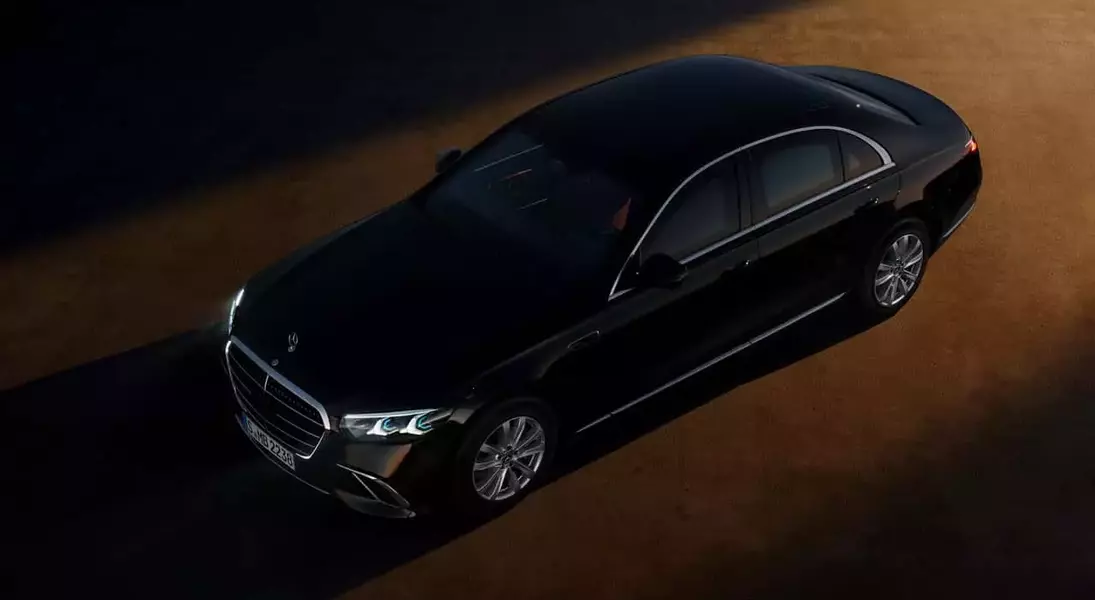


The landscape of luxury automobiles is undergoing a profound transformation, with the traditional dominance of high-end sedans facing unprecedented challenges. Mercedes-Benz's flagship S-Class, a long-standing symbol of automotive excellence, is not immune to these shifts. Recent data reveals a substantial dip in its production figures, a trend largely influenced by the escalating demand for Sports Utility Vehicles (SUVs) and the formidable rise of Chinese luxury car manufacturers. Despite this evolving market, Mercedes-Benz maintains a steadfast belief in the S-Class's enduring appeal and its position as an industry leader, pinning hopes on a recent model refresh to reinvigorate its sales performance.
Mercedes-Benz Navigates Shifting Sands of the Luxury Automotive Market
In the contemporary automotive realm, luxury sedans are confronting a harsh reality. The year 2026 marks a period where these once-unrivaled vehicles are struggling to capture the market share they once commanded. This phenomenon is largely driven by consumers' increasing preference for SUVs, which offer a blend of practicality, versatility, and a commanding road presence. For esteemed marques like Mercedes-Benz, this shift poses a significant hurdle, further complicated by the emergence of robust competition from Chinese brands. These newcomers are rapidly gaining traction, offering sophisticated models that rival traditional luxury cars in terms of opulence and technological advancements, often at a more accessible price point. The days when Chinese carmakers were viewed as minor players are decisively over; they now represent a genuine competitive force, challenging the long-held supremacy of Western automotive giants.
The impact of these market dynamics is particularly evident in the sales trajectory of the Mercedes-Benz S-Class. Production figures for this iconic model have seen a dramatic reduction, almost halving within a mere three years. From a high of 90,000 units in 2022, output plummeted to less than 50,000 in the subsequent year. Nevertheless, Mathias Geisen, Mercedes' sales director, conveyed to the German business newspaper Automobilwoche a resilient confidence, asserting that the S-Class continues to hold a "very high status in China," a market that remains the brand's most crucial single territory. Geisen acknowledged the "challenging market characterized by intense competition" but chose to view the situation with optimism. He highlighted that the W223 generation of the S-Class still surpasses the BMW 7 Series in sales, even when factoring in the electric i7 model. This advantage is particularly noteworthy given that direct rivals such as the Audi A8, Lexus LS, and Genesis G90 do not yet offer fully electric variants. Geisen eloquently articulated the S-Class's enduring legacy, stating, "Even the combustion engine sedan, without the electric EQS, is more successful than its closest competitor with all its powertrain variants combined. In terms of status, technology, and historical heritage, the S-Class is the benchmark. It's not just a vehicle, but an omnipresent cultural asset."
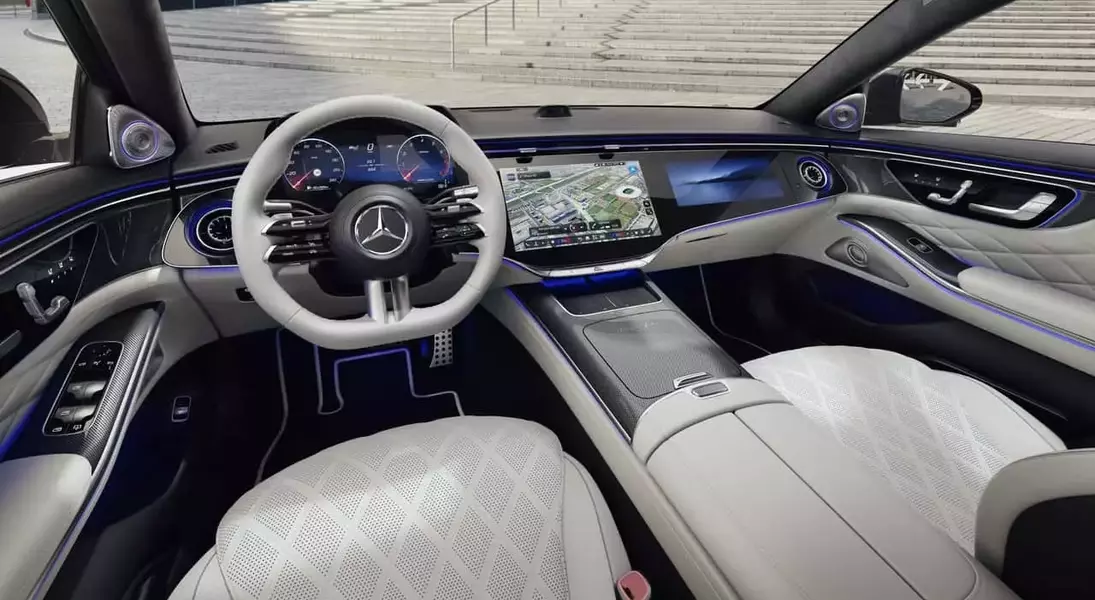
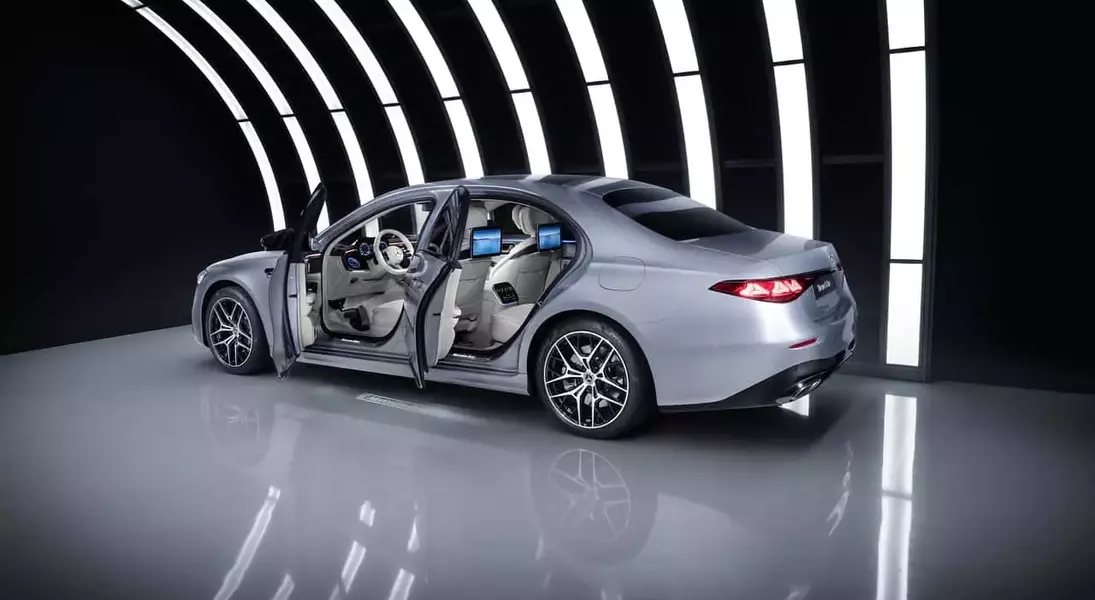
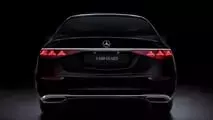
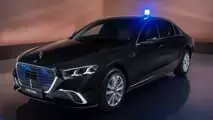
However, an in-depth analysis of sales data reveals a five percent decrease in demand for Mercedes' most exclusive vehicles compared to 2024. This contraction occurred despite the G-Class, another high-end Mercedes model, achieving its most successful year to date in 2025, with a record 49,700 units delivered. The sales boss emphasized the exceptional loyalty of S-Class clientele and underscored that the recent facelift for the model incorporates enhancements specifically requested by customers. These improvements focus on elevating "status, comfort, safety, intelligence, and individuality," exemplified by the option of 150 exterior colors or even personalized hues. With this comprehensive update, which involved redesigning or introducing 2,700 parts, representing over half of the vehicle's components, Mercedes-Benz is resolute in its belief that the S-Class is well-equipped to maintain its leadership in the segment.
This refreshed W223 model arrives months before BMW's anticipated facelift for its 7 Series. Mercedes-Benz will soon face another formidable contender with the expected debut of a BMW Alpina-badged variant in 2026, positioned to challenge the Maybach S-Class. Despite this looming competition, the Maybach S-Class retains a distinct advantage with its V12 engine in the S680, a feature increasingly rare in the luxury segment.
The current S-Class generation may find it difficult to reverse the prevailing sales trends, despite Mercedes' comprehensive facelift efforts. The automotive industry is witnessing a shift in consumer values, particularly in markets like China, where the allure of traditional German luxury brands is beginning to wane as domestic alternatives offer compelling propositions. For the forthcoming W224 S-Class, projected to arrive later in the decade, a renewed emphasis on impeccable build quality, a less intrusive technological interface, and a more understated design could be crucial in reclaiming its iconic status.
