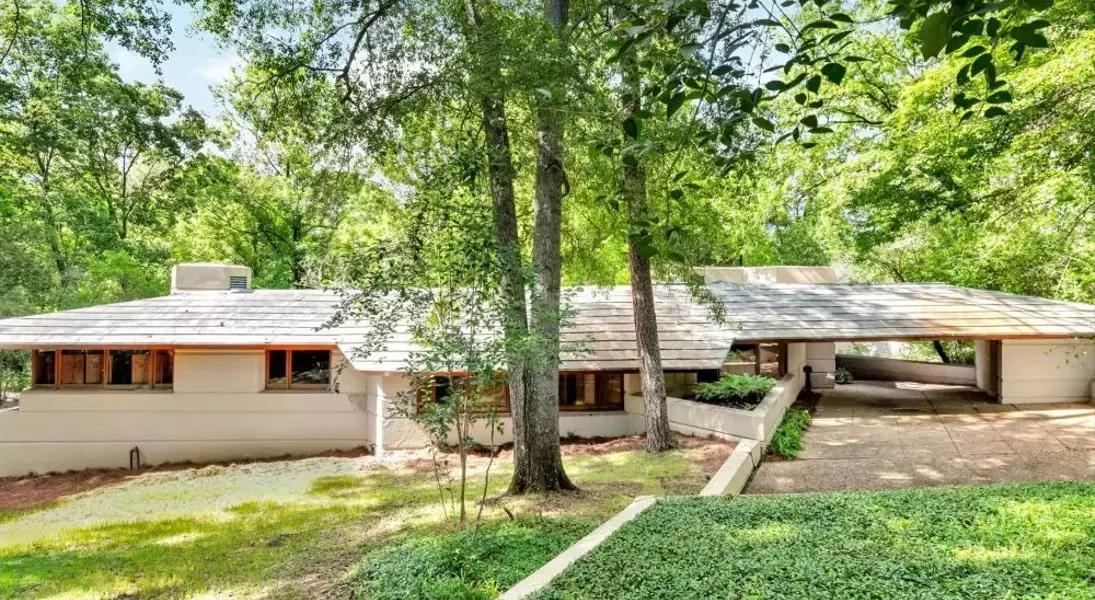
The Mississippi Museum of Art has officially acquired Fountainhead, a landmark residence designed by the iconic architect Frank Lloyd Wright. This significant acquisition underscores the museum's commitment to preserving architecturally and historically important sites, promising to transform the property into a major cultural attraction. Following approval from local authorities, the museum plans to open this Usonian-style home, also known as the Hughes House, to the public, offering unique insights into Wright's vision for middle-income housing and its lasting legacy in American architecture. The acquisition marks a pivotal moment for both architectural preservation and public engagement with art and design.
The integration of Fountainhead into the museum's portfolio signifies a forward-thinking investment in the region's cultural landscape. Much like other distinguished historical homes in the area, Fountainhead is poised to become a must-visit destination, drawing both residents and tourists to experience a piece of architectural history firsthand. The museum's plans include extensive restoration efforts, led by expert architecture and restoration professionals, to ensure the property's long-term preservation and to maintain its original grandeur. This initiative will not only safeguard a valuable historical asset but also enrich the community by providing educational and cultural opportunities.
A Historic Architectural Acquisition
The Mississippi Museum of Art (MMA) recently finalized the acquisition of Fountainhead, a significant Frank Lloyd Wright-designed property situated in Jackson's Fondren neighborhood. This decision, approved by the Jackson Planning and Zoning Board and City Council, brings a piece of architectural history under the museum's stewardship. Designed in 1948 and completed in 1954 for J. Willis Hughes, an oil speculator, the 3,558-square-foot residence embodies Wright's distinctive Usonian concept—single-level bungalows envisioned for middle-income families. Originally known as the Hughes House, its moniker, Fountainhead, links it to Ayn Rand's novel, believed to be inspired by Wright's life, and is further complemented by a fountain on its grounds. The home's historical importance is underscored by its listing on the National Registry of Historic Places since 1980, following its restoration by architect Robert Parker Adams.
This strategic acquisition by the Mississippi Museum of Art marks a significant stride in cultural preservation and public engagement. Fountainhead, a prime example of Frank Lloyd Wright's Usonian designs, offers a unique opportunity to explore mid-century American architecture. Its history, from its initial commissioning by J. Willis Hughes to its meticulous restoration by Robert Parker Adams, highlights its enduring appeal and architectural merit. The museum's vision extends beyond mere ownership; it aims to transform the property into an accessible public attraction. This initiative will involve comprehensive restoration efforts by architectural specialists and the development of educational programs. The goal is to establish Fountainhead as a major cultural destination, providing visitors with an immersive experience into the life and work of one of America's most celebrated architects, all while fostering a deeper appreciation for historic preservation within the community.
Fountainhead's Future as a Public Landmark
The Mississippi Museum of Art is set to transform Fountainhead into a vibrant public landmark, with comprehensive plans underway to make the Frank Lloyd Wright-designed home accessible to visitors. The museum intends to organize public tours, with convenient transportation provided from its main campus in downtown Jackson to the Fountainhead property. This initiative is complemented by the development of strategic partnerships within the community, aiming to maximize the home's cultural and educational impact. Lisa Percy, the MMA board chair, emphasized the acquisition's dual purpose: preserving a culturally and historically vital site while also making a forward-thinking investment in the museum's future vision. Fountainhead is projected to join the ranks of other significant historical homes, such as Eudora Welty's House and Garden and the Medgar and Myrlie Evers Home, becoming an essential destination for both local residents and tourists.
The long-term sustainability and authentic representation of Fountainhead are central to the museum's plans. Architecture and restoration experts are being engaged to meticulously bring the home back to its original splendor and to formulate a robust plan for its perpetual maintenance. Under the direct guidance of the museum, the property will not only be preserved but also actively programmed, ensuring its continued relevance and educational value. While an official opening date has yet to be announced, the commitment to restoring and maintaining this architectural masterpiece is clear. This endeavor underscores the museum's dedication to enriching the cultural landscape of Jackson and beyond, providing a unique platform for appreciating Frank Lloyd Wright's legacy and the broader narrative of American architecture. The integration of Fountainhead into the public sphere promises to offer an unparalleled cultural experience, highlighting the beauty and significance of historic preservation.