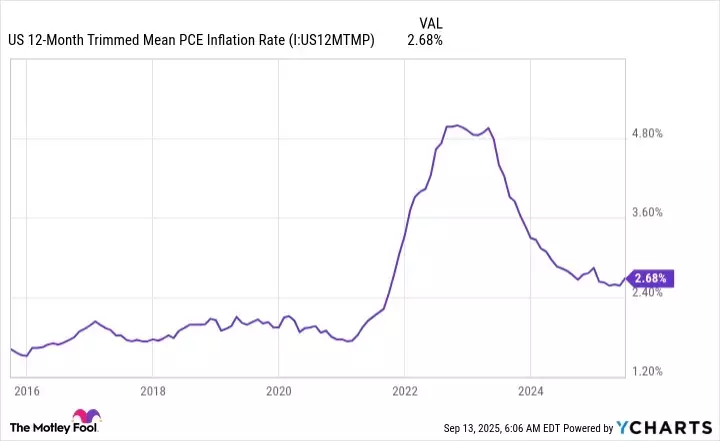

Persistent inflation is relentlessly chipping away at the financial security of retirees who depend on Social Security. With rising costs showing no signs of abating, many older adults on fixed incomes are finding it increasingly challenging to cover their daily expenses. A significant majority of Social Security recipients would face severe financial distress if their benefits were to be even partially reduced. This economic reality is forcing many to re-evaluate their spending habits and seek alternative solutions to maintain their quality of life. The core issue lies in the fact that while prices surge, Social Security adjustments often lag, leaving a widening gap in retirees' purchasing power.
Retirees Confronting Economic Challenges: A Deep Dive into Inflation's Impact on Social Security
In a recent analysis dated September 18, 2025, it has become evident that the financial support provided by Social Security is no longer stretching as far as it once did for retirees. The culprit? Relentless inflation, which has caused the cost of everyday necessities, such as groceries, to escalate dramatically. While rising prices are an inevitable part of economic cycles, their current trajectory is creating significant financial hurdles for those on fixed incomes.
Inflation, at its essence, represents a gradual increase in prices over time, which concurrently diminishes the purchasing power of money. This means that a dollar today buys less than it did yesterday, and significantly less than it did decades ago. While workers often have the option to seek higher wages or additional employment to counteract these effects, retirees relying on Social Security checks possess far less flexibility. They are, by definition, on a fixed income, making them particularly vulnerable to the 'insidious nature' of inflation.
A critical point to understand is that once prices rise, they rarely return to previous levels. When economists speak of inflation 'coming down,' they typically refer to a slower rate of increase, not a reversal of prices. This establishes a new, higher baseline for costs, which consumers must simply adapt to. Unfortunately, recent trends indicate that the rate at which inflation has climbed has outpaced the cost-of-living adjustments (COLAs) applied to Social Security benefits, exacerbating financial pressures on older Americans.
A survey conducted by The Nationwide Retirement Institute® in 2025 highlights the stark reality faced by many: over half of all Social Security beneficiaries would experience severe hardship if they were to miss even half of one Social Security payment. This alarming statistic underscores the precarious financial position of a large segment of the retired population.
To cope with these challenging economic conditions, retirees are implementing various strategies. Many are forced to cut back on discretionary spending, foregoing leisure activities and non-essential purchases. Some are delving into their savings and retirement accounts, drawing down funds that were intended for future security. A significant number are considering or have already undertaken downsizing their living situations, moving to smaller, more affordable homes to reduce housing costs. For some, the necessity of supplementing income has led them back into the workforce, often through part-time employment, carefully navigating Social Security rules to avoid impacting their existing benefits. The most dire situations unfortunately involve cutting back on essential items like food and medication, prompting a call for greater awareness and utilization of support services such as food banks.
These actions, while often difficult, are becoming increasingly common as retirees strive to maintain financial stability in the face of persistent inflationary pressures.
The ongoing struggle faced by retirees due to inflation serves as a stark reminder of the importance of robust financial planning and adaptable strategies for an unpredictable economic future. As a society, we must acknowledge the vulnerability of those on fixed incomes and explore innovative solutions to ensure their dignity and security. This situation underscores the critical need for comprehensive policies that address cost-of-living adjustments for social safety nets more effectively, perhaps even considering more dynamic mechanisms that respond swiftly to inflationary spikes. For individuals approaching retirement, it's a powerful call to action: diversify income streams, build substantial emergency savings, and consider flexible living arrangements to weather economic storms. Relying solely on static benefits in a volatile economic climate is no longer a viable strategy; proactive measures and collective support are essential to safeguarding the well-being of our senior population.
