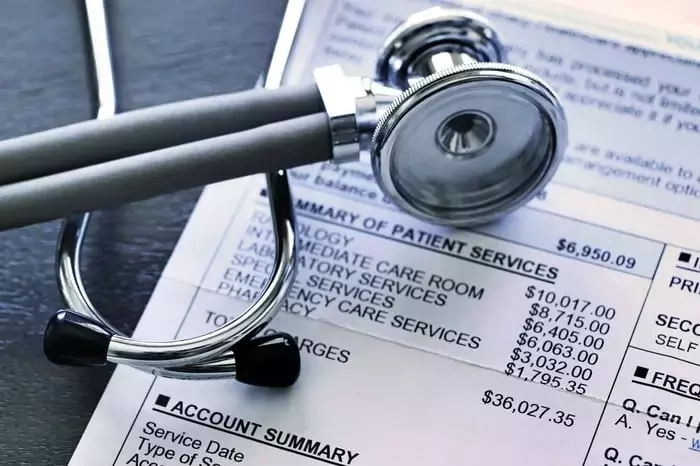
As individuals transition into retirement, managing healthcare costs often emerges as a significant challenge. This comprehensive guide explores the financial landscape of medical expenses for retirees, highlighting potential impacts and offering actionable strategies to navigate these complexities.
Secure Your Golden Years: Conquering Healthcare Costs in Retirement!
Anticipated Healthcare Expenditures for Future Retirees
For those embarking on retirement in 2025, financial projections indicate that medical care throughout their post-employment years could reach an average of $172,500. This figure represents a noticeable increase compared to the previous year, underscoring the growing financial burden of healthcare.
The Extensive Reach of Medical Debt's Influence
Regardless of their career achievements, older adults frequently encounter substantial medical debt. This section delves into the profound ways such debt can shape their lives.
Impact on Psychological Well-being
Unexpected medical bills pose a particularly heavy load for many Social Security recipients, who typically subsist on a modest monthly income. Often, their only recourse is to liquidate existing savings or assets, which leaves them more susceptible to future financial shocks. The relentless pressure from medical debt can foster anxiety and lead to a deterioration of overall health.
Challenges in Accessing Essential Care
Seniors may, unfortunately, opt to forgo necessary medical treatment due to apprehension about accumulating further debt. This avoidance tactic can exacerbate existing health conditions and ultimately result in higher expenditures over time, as untreated issues become more severe.
Threats to Residential Stability
When confronted with the difficult choice between settling medical bills and covering housing expenses, seniors face a precarious situation. Prioritizing healthcare payments could put them at risk of losing their homes through foreclosure or eviction, further complicating their well-being in the long run.
Considering Relocation for Affordable Healthcare
A notable factor contributing to the increasing trend of Americans relocating abroad is the disparity in healthcare costs. Beyond the allure of pleasant climates and relaxed lifestyles, many U.S. citizens are drawn to countries that provide high-quality medical services at a fraction of the domestic price. Often, these nations feature public health systems where, despite potentially higher taxes, citizens are shielded from exorbitant medical bills.
Proactive Measures Against Retirement Medical Debt
When facing medical debt during retirement, several strategic steps can empower seniors to regain control. Here are some key actions, as advised by the National Council on Aging (NCOA).
Scrutinizing Medical Bills for Accuracy
It is crucial to request an itemized statement from your healthcare provider, detailing all charges and corresponding codes. Thoroughly examine this bill for any discrepancies, such as duplicated entries or services not rendered. Subsequently, cross-reference this itemized bill with the Explanation of Benefits (EOB) from your insurance company to ensure all covered services are correctly applied.
Engaging in Negotiation for Reduced Costs
If the bill is accurate, contact your provider to inquire about low- or no-interest payment plans. Furthermore, explicitly state your financial limitations and ask about potential reductions in the total amount owed.
Exploring Available Financial Support Options
Under the provisions of the Affordable Care Act (ACA), non-profit hospitals are mandated to offer free or reduced-cost care to individuals struggling with medical expenses. If you have an outstanding hospital bill, request and complete an application for their Financial Assistance Policy (FAP). Even if the bill has been sent to collections, you can still apply. Private hospitals might also have FAPs, so it’s worth asking. Beyond hospital policies, various state-funded programs and medical financial aid initiatives from religious groups, providers, and non-profit organizations, such as the Patient Access Network (PAN) Foundation, can offer assistance. Reach out to your healthcare provider or local agency on aging to identify suitable programs. If you feel hesitant, a trusted friend or family member can help make these inquiries on your behalf.
