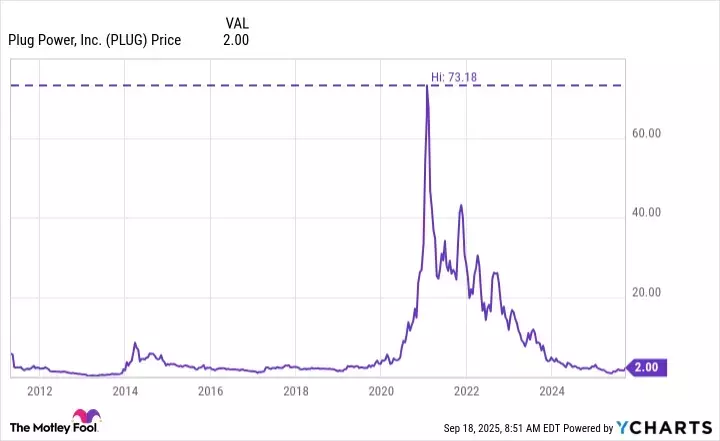

Plug Power stands at the forefront of the hydrogen energy movement, striving to establish a viable and profitable enterprise within this niche of the clean energy sector. The company's core activities involve developing hydrogen fuel cells and electrolyzers, which are integral to creating a comprehensive green hydrogen ecosystem. While the environmental benefits of hydrogen are clear, the path to commercial success for Plug Power is fraught with challenges. These include substantial operational expenses, the early stages of hydrogen infrastructure development, and a fluctuating stock performance that has historically fallen short of expectations. For potential investors, it is crucial to approach Plug Power with a degree of prudence, acknowledging the considerable effort and time required for the company to solidify its market position and achieve sustainable profitability.
Plug Power's Ambitious Hydrogen Vision and Market Realities
Plug Power's strategic focus on hydrogen power, through its production of fuel cells and electrolyzers, positions it as a key player in the clean energy transition. This endeavor, aimed at decarbonizing various economic sectors, highlights the company's commitment to innovative, environmentally sound solutions. The technology's primary appeal lies in its byproduct—heat and water—offering a stark contrast to carbon-intensive fuels. Such advancements are particularly attractive for enclosed environments, like warehouses utilizing forklifts, where health and safety are paramount, and increasingly, in the trucking industry. However, the commercial viability of this compelling technology is tempered by significant market hurdles, including the high cost of hydrogen-based solutions and the limited availability of the necessary infrastructure.
The company's journey underscores a common narrative for innovative ventures: an initial period of high anticipation followed by the sobering realities of market adoption and infrastructure development. Despite the promising nature of hydrogen as a clean energy source, the lack of a mature ecosystem for production, storage, and distribution presents a formidable obstacle. This undeveloped infrastructure, coupled with the higher operational costs associated with hydrogen compared to conventional energy sources, requires potential clients to make substantial commitments in terms of investment and risk. Consequently, Plug Power continues to navigate a challenging financial landscape, operating at a loss while investing heavily in research and development and the expansion of its hydrogen infrastructure. This situation reflects the inherent difficulties in scaling a revolutionary technology and signals a prolonged period of investment before the company can realistically expect to achieve sustained profitability.
Investment Outlook and the Path to Profitability
Investing in Plug Power involves a calculated risk, largely driven by the long-term potential of hydrogen as a dominant clean energy source. The company's stock has experienced dramatic fluctuations, including a significant decline from its historical highs and a reverse stock split, indicating the volatile nature of pioneering a new energy market. While recent improvements in gross profit margins suggest some operational efficiencies are being realized, the company remains unprofitable, underscoring the capital-intensive nature of building a hydrogen ecosystem from the ground up. This ongoing need for investment in infrastructure and technology development means that profitability is a distant goal, contingent on widespread adoption and favorable policy environments.
For the majority of investors, a cautious approach to Plug Power is warranted. The appeal of its clean energy mission is undeniable, but the practical challenges of cost and infrastructure development are substantial. While the prospect of early entry into a potentially transformative industry might entice some, the risk of significant capital loss is considerable, especially if the broader hydrogen economy does not materialize as rapidly or extensively as hoped. Therefore, a prudent strategy involves monitoring the company's progress in expanding its infrastructure, reducing costs, and achieving significant commercial partnerships. Only when these foundational elements show consistent strength and the hydrogen market matures, might Plug Power transition from a speculative 'story stock' to a more stable investment opportunity, offering a clearer path to sustained growth and profitability.
