Ninon Hivert's artistic endeavors explore the profound 'afterlife' of everyday items, transforming them into compelling sculptures and collages. Her work acts as a visual archaeology, meticulously observing and translating found objects to expose the intricate textures of modern urban existence. By capturing these transient relics, Hivert not only preserves their physical form but also illuminates the subtle narratives of human interaction and the indelible marks left on our environment. This artistic approach invites a contemplative engagement with the unseen history of consumption and the inherent beauty in decay.
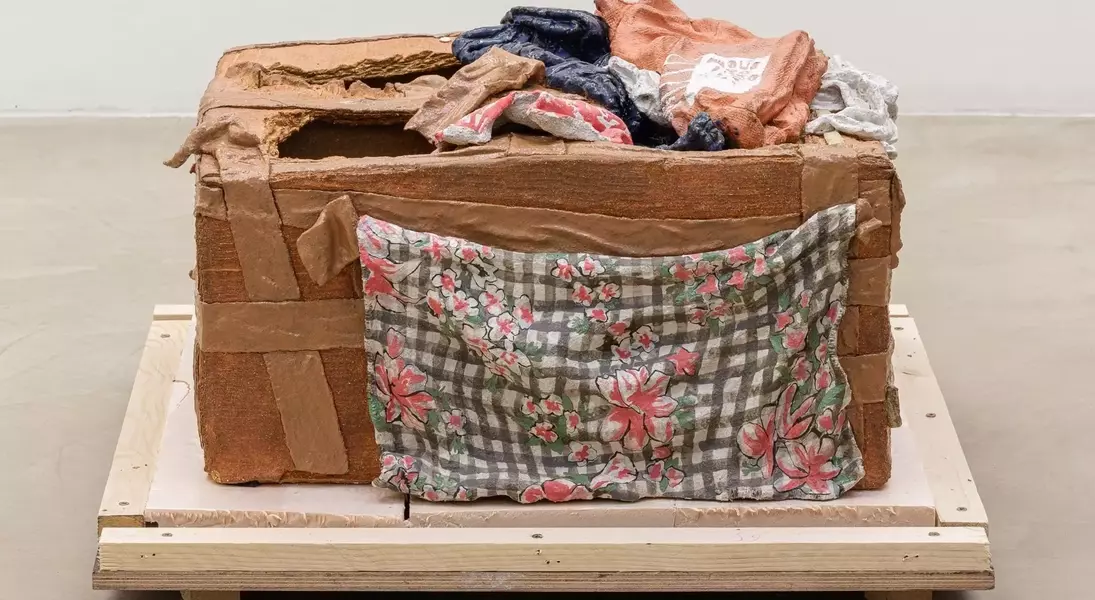
Hivert's fascination with forgotten objects originated from documenting discarded clothing through photography, which later evolved into clay sculptures that mirrored the fluid, uncertain contours of these cast-off garments. In her more recent creations, she has broadened her scope to encompass a wider array of commonplace articles. By isolating these artifacts at the precise moment of their abandonment, she vividly delineates the lingering presence that remains, drawing attention to the subtle imprints of past lives and functions.
The essence of Hivert's practice lies in her ability to distill the ephemeral quality of transition. Her work parallels the transformation of raw material into a refined essence, where each reinterpretation of an object in a new medium subtly alters its characteristics. This process ultimately extracts an eternal quality from what might otherwise be perceived as an ordinary, fleeting moment. It’s a profound exploration of how the past continuously shapes the present and informs the future.
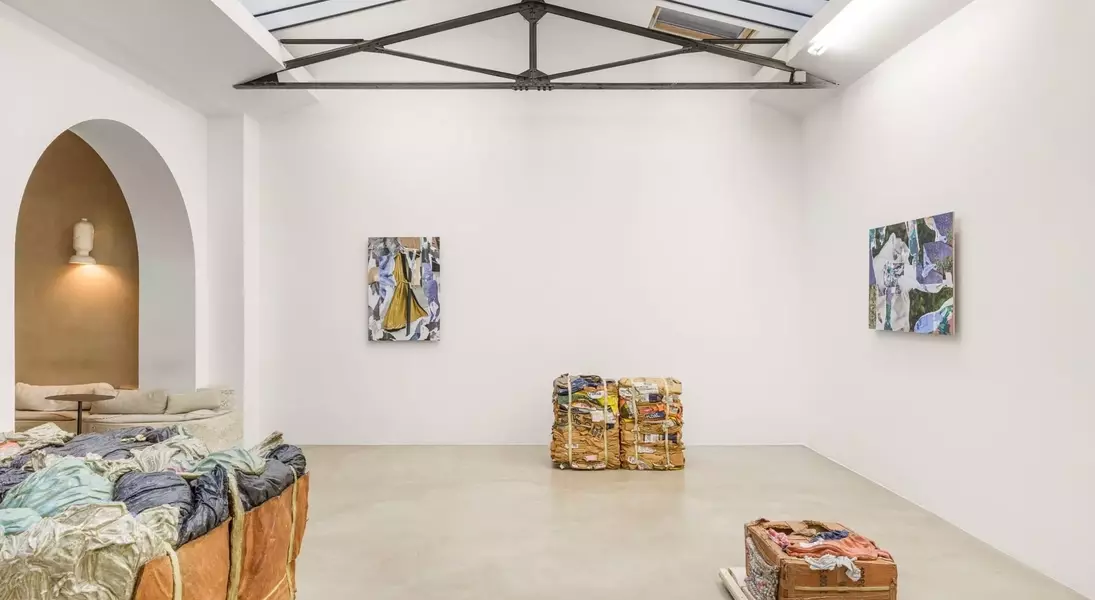
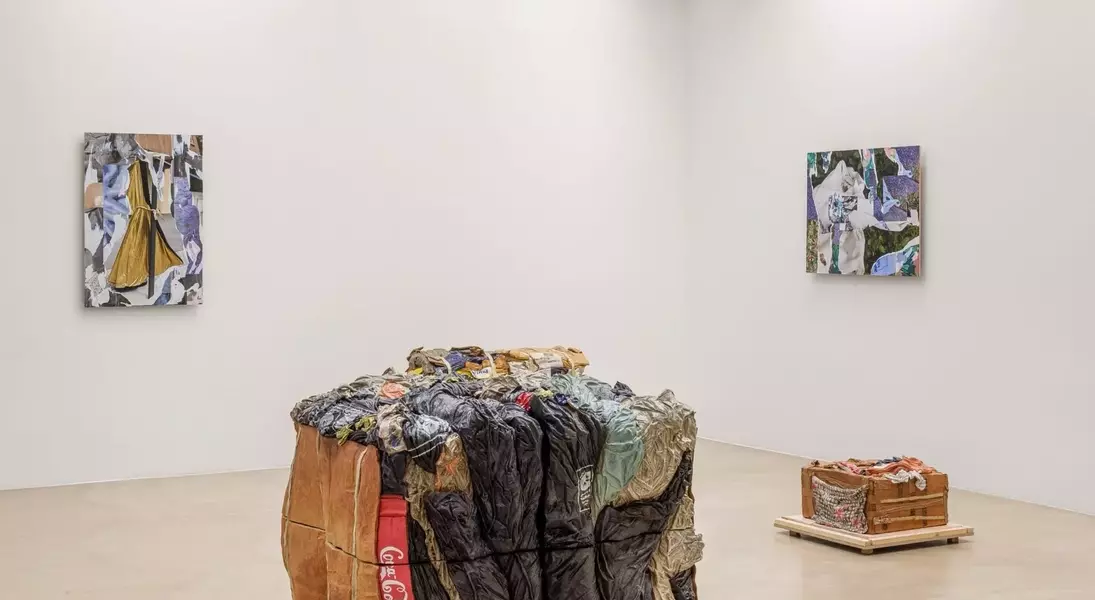
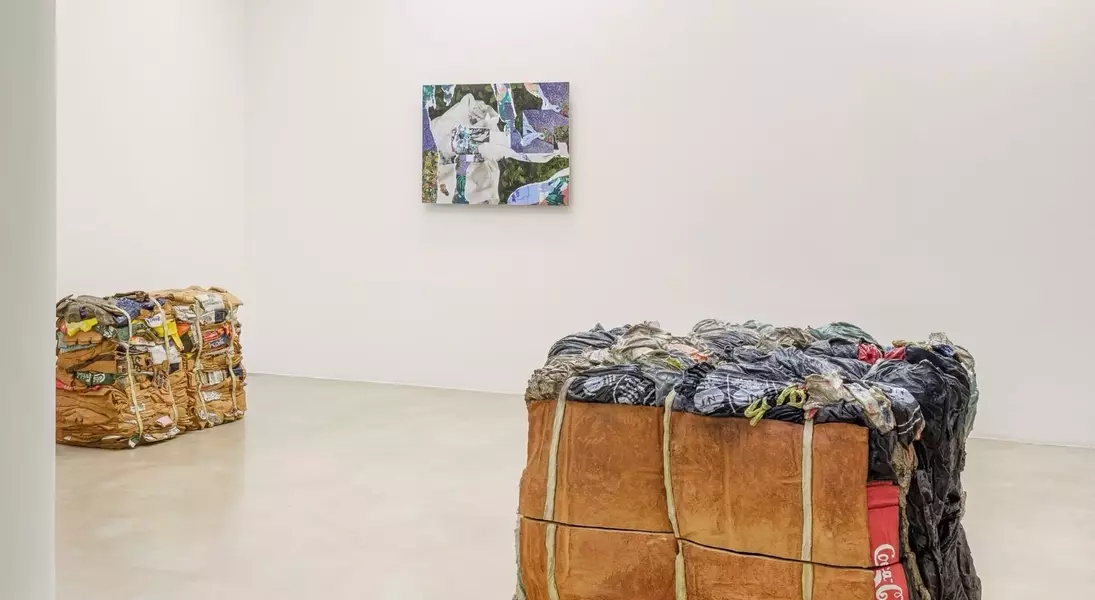
Hivert’s latest exhibition, titled “That Which Is, That Which Will Be, That Which Has Been,” recently showcased at Chapelle XIV in Paris, exemplifies the ongoing themes that define her artistic body of work, introducing innovative materials and fresh motifs. This collection expands on her established oeuvre, offering new perspectives on temporality and materiality.
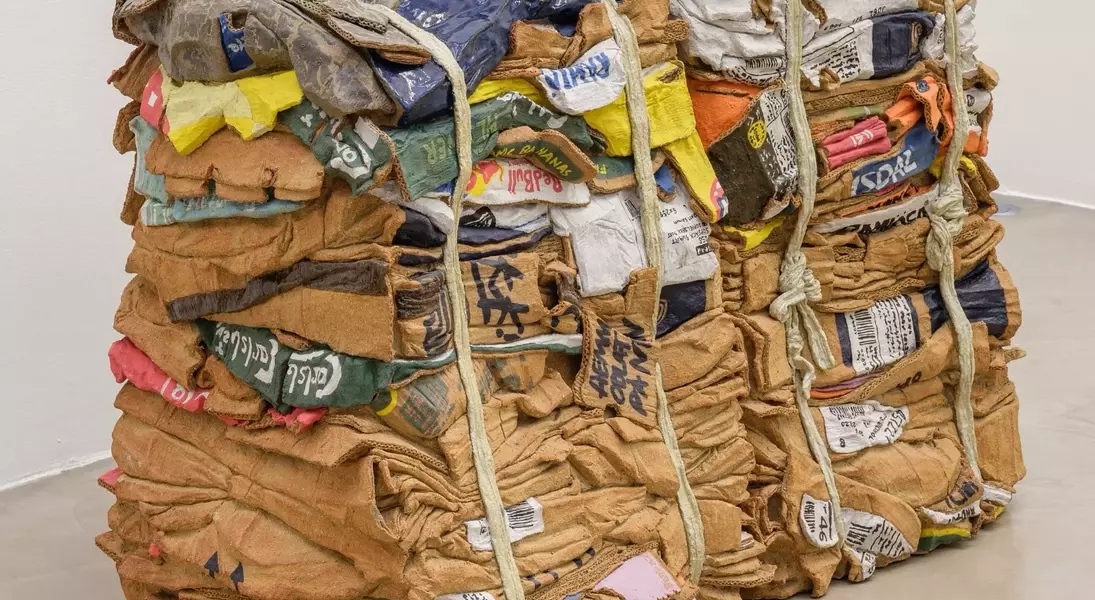
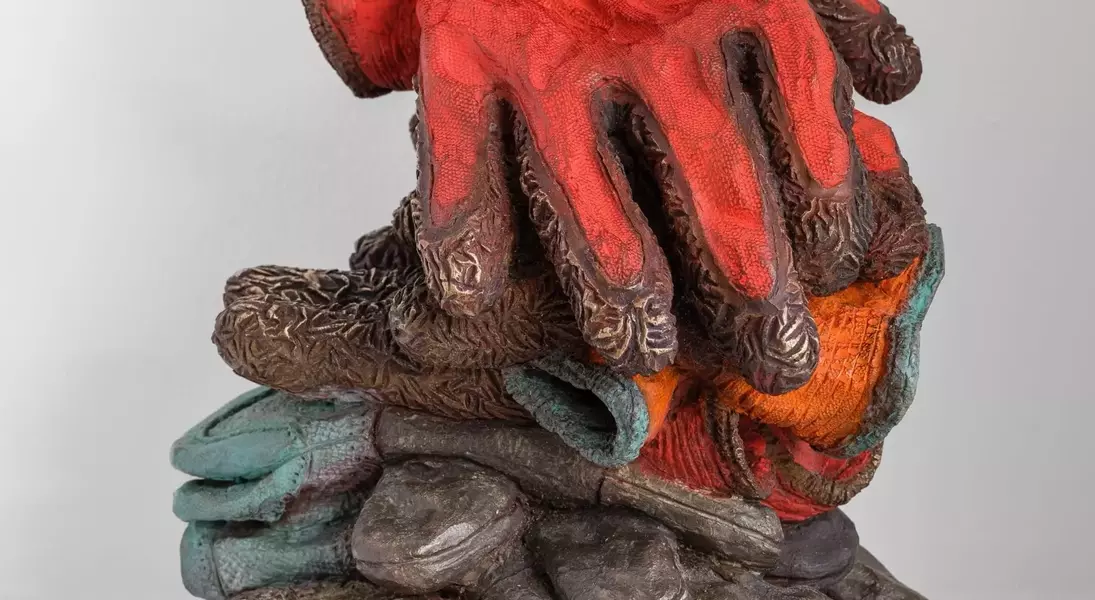
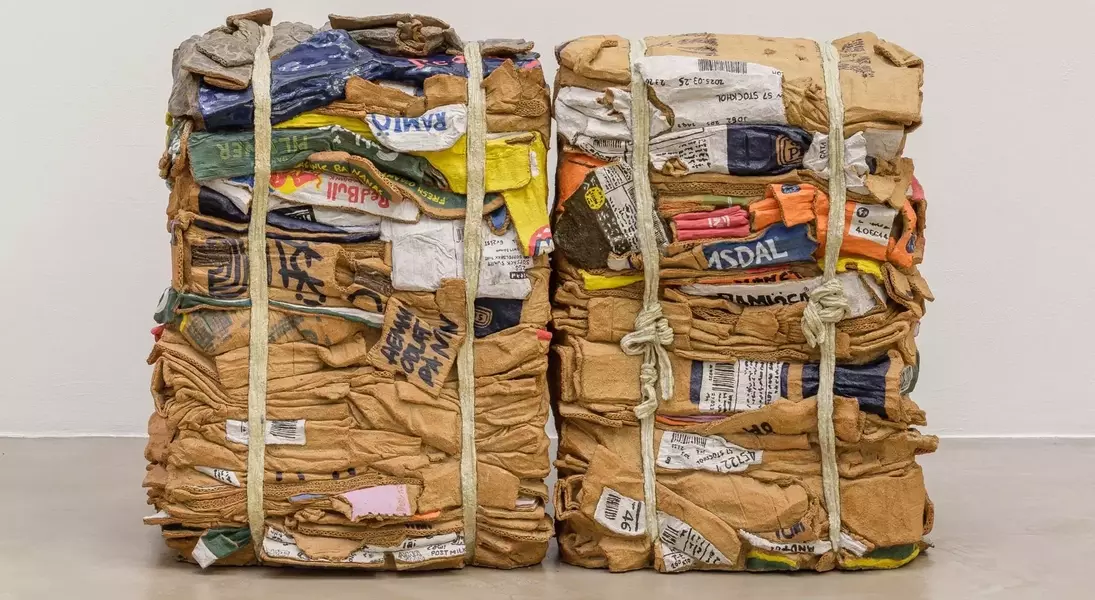
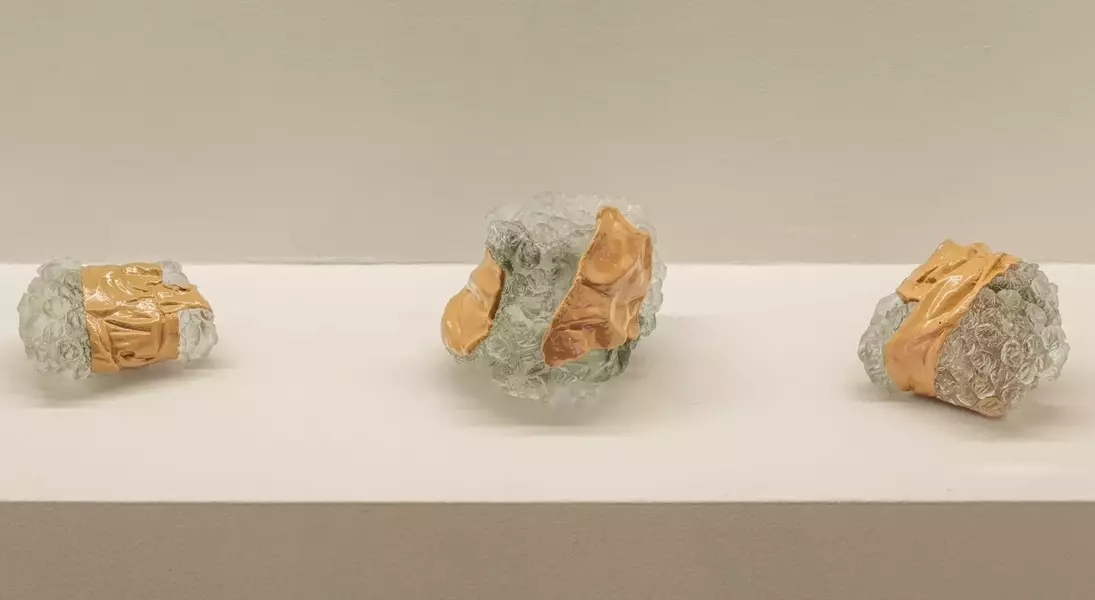
Within the exhibition, flattened cardboard and bundled clothing are meticulously compressed into ceramic cubes. Their distended surfaces visually articulate the inherent tension of confinement. Nearby, glass bubble-wrap sculptures from her ‘Demi-Jour’ series are displayed on shelves, delicate objects paradoxically functioning as protective casings for absent contents. A bronze rendition of work gloves stands as a monument, commemorating past labor and the unseen efforts embedded within these ordinary tools. In the background, fragmented collages evoke the layered, weathered surfaces of urban advertisements, capturing the perpetual cycle of renewal and removal.
Employing a diverse range of materials, including bronze, pâte de verre—a complex glass molding technique—clay, photography, and collage, Hivert meticulously examines the intricate interplay between material and environment. Her recent endeavors are characterized by both conceptual rigor and striking visual impact. She reflects on her creative process, stating, “With glass, after modeling the bubble wrap in clay, a molding process was added, introducing new gestures, new steps, and successive states of matter into this translation. The final result of Demi-Jour was, for me, a kind of serendipity: I ended up with a solid but translucent sculpture, where the dark mass inside disappeared when light passed through it, as if I had captured a shadow.”
Hivert’s artistic interpretations elicit both a tender appreciation and a critical examination. While her work tenderly embraces the poetic nature of transition, it simultaneously implicates the observer in the broader cycles of consumption. This prompts profound questions: What becomes of an object once it transitions from utility to waste? At what point does a functional item fade from our perception, and what enduring essence persists within that unseen interim?
By articulating this delicate "in-between" state, Hivert emphasizes its inherent autonomy. Her body of work neither laments nor glorifies the discarded; instead, she allows materials to exist in a state of deliberate ambiguity, thus occupying time in a profoundly distinct manner. Through their quiet resilience, these forms powerfully evoke both what has transpired and what is yet to come, seamlessly weaving together disparate temporalities through the ever-evolving expressions of the present moment.
