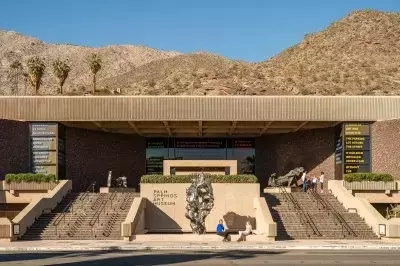
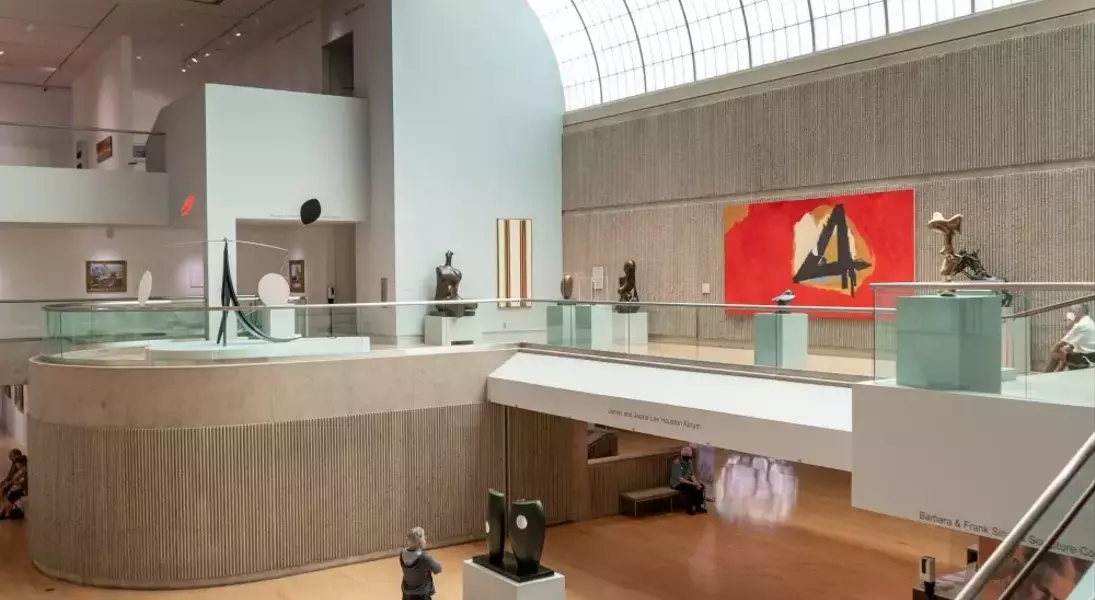
The Palm Springs Art Museum is actively refuting a recent Los Angeles Times investigation that cast shadows on its financial health and operational transparency. The museum challenges the article's depiction of its financial status, emphasizing its diligent efforts in financial oversight and the regular evolution of its board composition.
The core of the Los Angeles Times's report centered on a 'letter of material weakness' issued by accounting firm Eide Bailly following an audit. This letter, a standard notification of potential internal financial discrepancies, was reportedly accompanied by the resignation of at least eight trustees, raising concerns about the museum's governance and adherence to its bylaws regarding board size. However, the museum asserts that such board changes are a normal part of nonprofit operations, stemming from various factors including term limits, personal commitments, or differing viewpoints on management.
In response to the allegations, board chair Craig Hartzman underscored the museum's dedication to robust financial practices, detailing how independent experts have been engaged to enhance their procedures. He affirmed that the board has been consistently updated and supportive of these initiatives. The museum also clarified that a reported $3 million discrepancy in its endowment's value, flagged by a former trustee, was part of a reclassification effort to address operational needs, a move that the Times implied could mask financial instability. The museum maintains that its endowment size is appropriate for an institution of its scale and operating budget, and it continues to provide public access to its financial statements to ensure full transparency and accountability.
In the realm of cultural institutions, fiscal transparency and robust governance are paramount for fostering public trust and ensuring long-term viability. The Palm Springs Art Museum's proactive engagement with financial scrutiny, coupled with its commitment to refining internal practices, demonstrates a dedication to upholding the integrity expected of such a vital community asset. This commitment not only addresses current concerns but also fortifies its foundation for future artistic endeavors and community enrichment.