

Plug Power, a prominent player in the hydrogen economy, is currently navigating a pivotal phase in its corporate journey. The company is actively pursuing a strategic resurgence, underpinned by ambitious initiatives such as the development of new hydrogen production and distribution hubs, the formation of multi-billion dollar strategic alliances, and leveraging favorable government tax incentives designed to bolster clean energy technologies. Despite its stock presently trading under $2, Wall Street analysts maintain an optimistic outlook, forecasting a potential threefold increase in its market value. This period is critical for Plug Power, as it strives to transition from a growth-focused enterprise to one capable of sustained profitability. The company's ability to achieve this will largely depend on its execution of these initiatives and its capacity to mitigate inherent market risks.
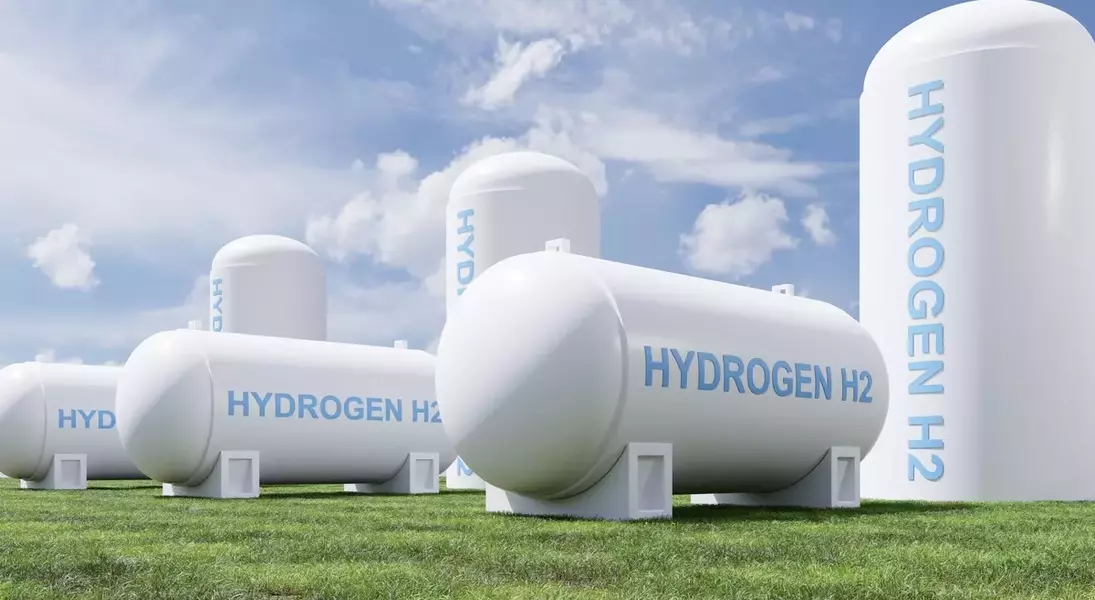
Plug Power's strategic focus on establishing hydrogen hubs is central to its long-term vision. These hubs are designed to create localized ecosystems for hydrogen production, storage, and distribution, which are crucial for reducing costs and increasing the accessibility of hydrogen fuel. By decentralizing production, Plug Power aims to overcome logistical challenges and accelerate the adoption of hydrogen as a viable energy source for various applications, including material handling, fleet vehicles, and stationary power. The company's proactive approach in securing sites and commencing construction on these hubs demonstrates a clear commitment to building the foundational infrastructure necessary for a hydrogen-powered future.
Furthermore, the company has successfully forged significant partnerships with major industrial and logistics firms. These collaborations are instrumental in expanding Plug Power's market reach and integrating its hydrogen solutions into broader supply chains. These alliances often involve long-term supply agreements and joint ventures, providing Plug Power with stable revenue streams and opportunities for co-development of new technologies. Such partnerships are vital for validating Plug Power's technology and demonstrating its scalability and reliability in real-world applications, which in turn attracts further investment and customer confidence.
Government policies and tax credits play a crucial role in enhancing Plug Power's financial viability. The push for decarbonization and energy independence has led to significant legislative support for hydrogen projects, particularly in regions like the United States and Europe. These incentives, such as production tax credits and investment tax credits, help offset the high initial capital costs associated with hydrogen infrastructure and production. This financial support is a critical enabler, allowing Plug Power to invest in cutting-edge technologies and expand its operational footprint more rapidly than would otherwise be possible. The continuation and expansion of such favorable policies are key determinants of the company's future growth trajectory and its ability to achieve profitability.
Despite these promising developments, Plug Power faces considerable risks. The hydrogen industry is still in its nascent stages, characterized by high capital expenditures, intense competition, and technological uncertainties. The cost-effectiveness of green hydrogen production, which relies on renewable energy, is a significant challenge, as it is currently more expensive than traditional fossil fuel-derived hydrogen. Additionally, market adoption rates for hydrogen-powered solutions need to accelerate to justify the massive investments being made. Operational efficiency, supply chain stability, and the ability to scale production while maintaining quality are all critical factors that will influence Plug Power's journey towards sustainable financial health. The company's path to profitability is therefore a delicate balance between capitalizing on opportunities and effectively managing these inherent risks.
The current market landscape presents both immense opportunities and significant hurdles for Plug Power. While new hydrogen hubs, strategic alliances, and governmental tax incentives provide a strong tailwind for growth and innovation, the fundamental challenge of achieving consistent profitability remains paramount. The company's success will hinge on its ability to effectively scale operations, manage costs, and navigate the complexities of a rapidly evolving energy sector. As the world increasingly shifts towards sustainable energy solutions, Plug Power's strategic moves today will define its long-term position in the global hydrogen economy and its ultimate financial performance.
