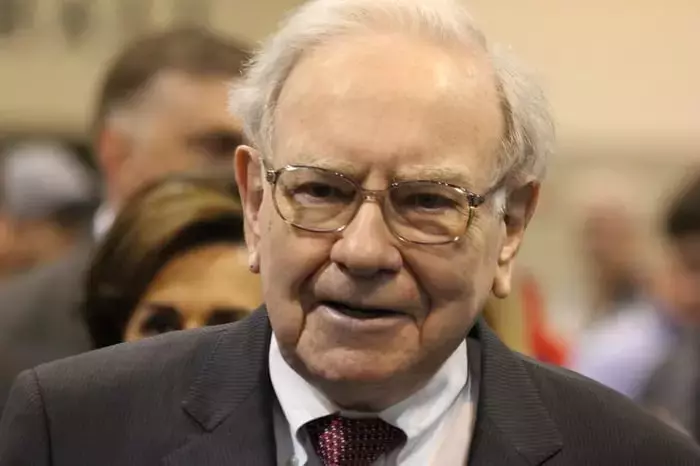
In recent times, the legendary investor Warren Buffett has once again captured the attention of the financial world. After a prolonged period where his Berkshire Hathaway conglomerate was a net seller of equities for eleven consecutive quarters, Buffett and his team have made a decisive shift. They have committed over $4 billion to acquire stakes in 13 different companies within the last six months, signaling a renewed confidence in specific market segments. This move is particularly noteworthy given the current market environment, which has made it challenging for even seasoned value investors like Buffett to discover compelling opportunities.
Buffett's strategic shift underscores his enduring investment philosophy, which prioritizes companies with strong fundamentals and lasting competitive advantages. While the broader stock market has seen historically high valuations, compelling opportunities have emerged in certain sectors. Among the recent acquisitions, Constellation Brands has garnered particular attention. This premium beverage company, known for its robust portfolio of popular beer brands, currently presents itself as an exceptional value proposition. Its strong brand equity and potential for long-term growth align perfectly with Buffett's criteria for sound investments, especially when market conditions offer a chance to acquire quality assets at a discount.
Berkshire Hathaway’s quarterly filings with the Securities and Exchange Commission (SEC), specifically Form 13F, provide insights into its investment activities. The latest filing revealed investments in ten companies during the second quarter. These include UnitedHealth, Nucor, Lennar, Constellation Brands, Pool Corp, Lamar Advertising, Allegion, Heico, Chevron, and Domino's Pizza. Furthermore, timely Form 4 disclosures showed an additional $106 million investment in Sirius XM. Beyond these, Berkshire's subsidiary, National Indemnity, increased its stake in Japanese trading house Mitsubishi, purchasing an additional 1.89 million shares for an estimated $42 million, raising its ownership to 10.23% between March and August. Mitsui also saw an increased stake from Berkshire, further highlighting Buffett's interest in the Japanese market.
Each of these investments reflects Buffett’s disciplined approach. For instance, the acquisition of UnitedHealth shares occurred during a period when the company faced operational headwinds, such as rising insurance utilization and increased medical costs, alongside regulatory scrutiny over Medicare Advantage billing. This move exemplifies Buffett's classic strategy of 'being greedy when others are fearful,' acquiring shares of a robust business with a strong long-term outlook during a temporary dip. Similarly, continued investment in Sirius XM, despite the competitive landscape from music streaming and podcasts, is justified by its consistent cash generation, healthy dividend, and attractive earnings multiple. The Japanese trading houses, such as Mitsubishi and Mitsui, also offer significant value given the relatively lower valuations in the Japanese market compared to the U.S.
However, Constellation Brands stands out as a prime example of a premium company available at a bargain price due to a macroeconomic headwind. The company adjusted its fiscal 2026 outlook, anticipating reduced beer sales amid economic uncertainties, particularly affecting Hispanic consumers who are a significant demographic for its premium beers. Despite a temporary dip in beer sales and an ongoing decline in its spirits division, Constellation Brands has maintained healthy profit margins, demonstrating the enduring strength of its flagship brands like Modelo, Corona, and Pacifico. The company’s proactive development of new products, including non-alcoholic, low-calorie, and ready-to-drink cocktails, positions it for future growth and competitive resilience.
The resilience of Constellation Brands' beer portfolio is also evident in its market performance, with a 45% growth in beer sales between 2020 and 2024, even amidst a general slump in beer consumption. Although slower growth is projected for 2025 and a slight retraction in 2026 has impacted its share price, the inherent strength and market positioning of its brands remain robust. Strategic national advertising campaigns have successfully positioned its imported beers as premium products, allowing the company to implement price increases despite a slowdown in consumer purchasing. With the stock currently trading at a mere 12.5 times forward earnings expectations, it represents an outstanding value. This provides a compelling opportunity for long-term investors to benefit as the company’s strategic initiatives and strong brand presence capitalize on an eventual improvement in macroeconomic conditions.
