


Rivian is taking a definitive stance on in-car technology, choosing to bypass conventional smartphone integration systems like Apple CarPlay and Android Auto. Instead, the innovative electric vehicle company is channeling its resources into pioneering an advanced artificial intelligence-driven infotainment ecosystem. This bold strategy reflects Rivian's conviction that its proprietary AI assistant will revolutionize the automotive user experience, making the functionality offered by current mirroring solutions redundant in the near future.
Rivian: Pioneering the Future of In-Car AI, Leaving CarPlay Behind
Rivian's Unwavering Stance Against Smartphone Integration
Despite persistent calls from consumers, several prominent automakers, including Tesla, General Motors for its electric lineup, and Rivian, continue to abstain from incorporating Apple CarPlay and Android Auto into their vehicles. Rivian, in particular, remains resolute in its approach, signaling a deep commitment to its internal software development and a future powered by artificial intelligence.
The Rise of Rivian's AI Assistant: A Game Changer?
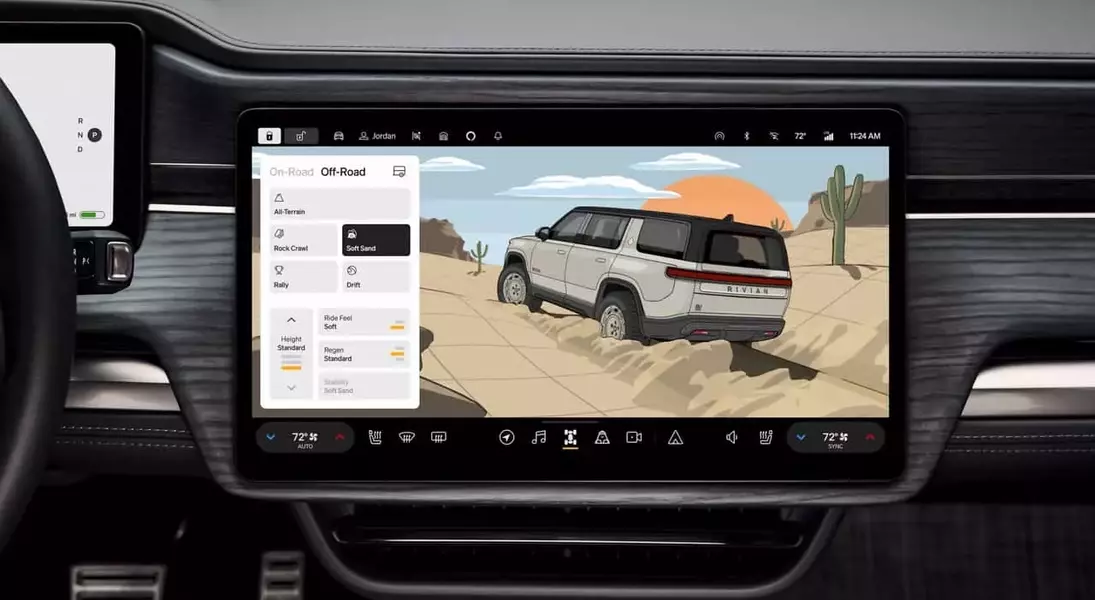
Wassym Bensaid, Rivian's Chief Software Officer, recently affirmed the company's long-term vision during an appearance on The Verge's Decoder podcast. He explicitly stated that Rivian has no immediate intentions of adopting CarPlay or Android Auto. Instead, the company is heavily investing in creating a sophisticated AI assistant designed to fulfill and potentially exceed the current capabilities of smartphone mirroring systems.
Redefining the In-Car Experience with Intelligent Agents
Bensaid elaborated on Rivian's philosophical shift, proposing that the traditional, icon-based application interaction models will soon be transformed. He envisions a future where "agentic integration" provides a holistic and intuitive user experience. This perspective suggests a departure from fragmented apps towards a more cohesive, AI-driven environment that anticipates user needs and offers seamless functionality.
Moving Beyond the CarPlay Discussion
According to Bensaid, the advanced features and deep integration already present in Rivian's vehicles, coupled with the forthcoming AI enhancements, are set to render the discussion around CarPlay and Android Auto irrelevant. He argues that Apple's system, in its present form, is overly intrusive within the vehicle's native operating environment, highlighting Rivian's preference for a fully integrated and proprietary solution.
Industry Trends and Consumer Preferences
While Rivian, along with a few other manufacturers, maintains its opposition to incorporating external smartphone integration, industry research consistently indicates a strong consumer preference for these familiar mirroring features. This divergence sets the stage for an interesting evolution in automotive technology, as companies like Rivian strive to convince customers of the superior value of their in-house AI solutions over established smartphone interfaces.
