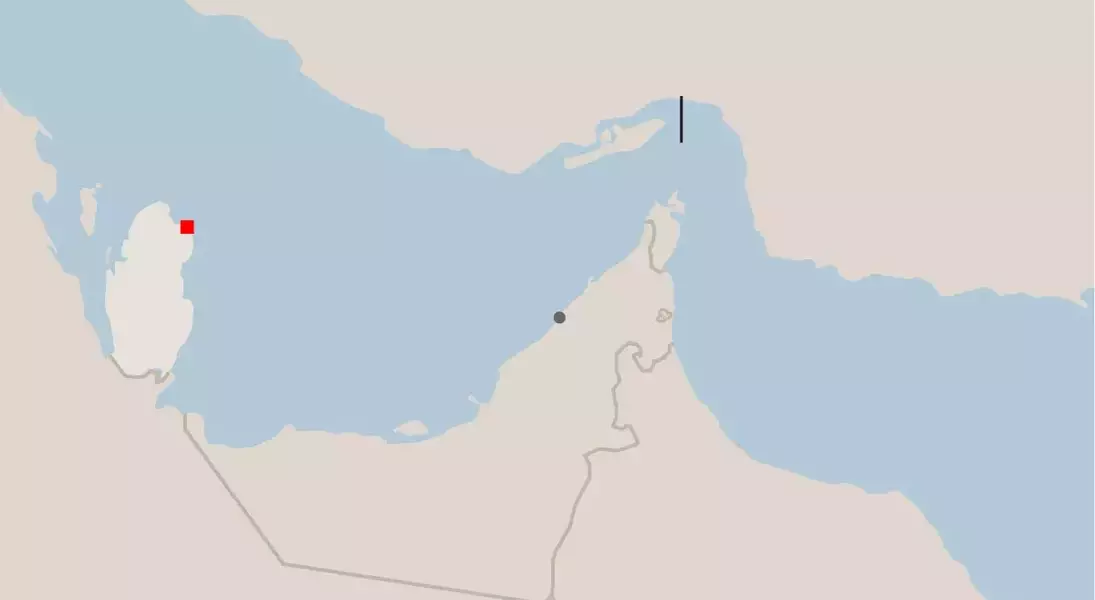
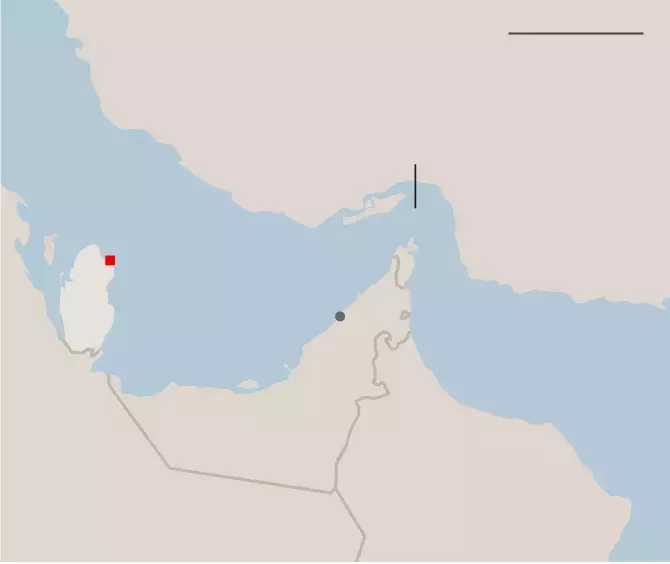
A recent escalation of geopolitical tensions in the Persian Gulf has resulted in nearly 20,000 seafarers, a significant portion of whom are Filipino, becoming stranded in the region. These individuals face considerable uncertainty and personal risk as Iran has effectively obstructed passage through the Strait of Hormuz. The situation underscores the precarious conditions faced by international maritime workers caught in regional conflicts, with many serving as the sole providers for their families back home, amplifying their anxiety and vulnerability.
One such seafarer, identified only by his initials K.R., shared a harrowing account from his gas tanker, which has been marooned for over two weeks. He described witnessing a missile attack by Iran on the Ras Laffan terminal in Qatar, a major liquefied natural gas facility. The explosions illuminated the night sky, creating a terrifying spectacle for the crew. K.R.'s immediate thoughts turned to his family, emphasizing his role as the primary financial support and his profound concern for their well-being should anything happen to him.
K.R.'s tanker was initially scheduled to navigate the Strait of Hormuz on February 28th, a date that coincided with retaliatory strikes by the United States and Israel against Iran. However, the escalating conflict led to the vessel's indefinite detention in the Gulf. Despite having sufficient food supplies to last through April, the crew remains without any clear indication of when they might be permitted to depart for safer waters. This prolonged uncertainty highlights the humanitarian aspect of the geopolitical standoff, as ordinary individuals bear the brunt of international disputes.
The plight of these stranded seafarers is further complicated by their critical economic role. For many, particularly the 7,300 Filipino nationals, working overseas is a vital source of income, with remittances forming a cornerstone of their home countries' economies. The inability to return home or continue their voyages not only endangers their personal safety but also jeopardizes the financial stability of countless families relying on their earnings. This ongoing crisis in the Persian Gulf serves as a stark reminder of the global interconnectedness of trade, labor, and international relations.
The ongoing standoff in the Persian Gulf has left thousands of maritime workers in a dangerous and uncertain situation. The blockade of the Strait of Hormuz, stemming from heightened tensions and military actions, has put a spotlight on the human cost of geopolitical conflicts. Seafarers like K.R. find themselves in a distressing limbo, caught between volatile international relations and the pressing need to provide for their loved ones, illustrating the profound impact of global events on individual lives and livelihoods.
