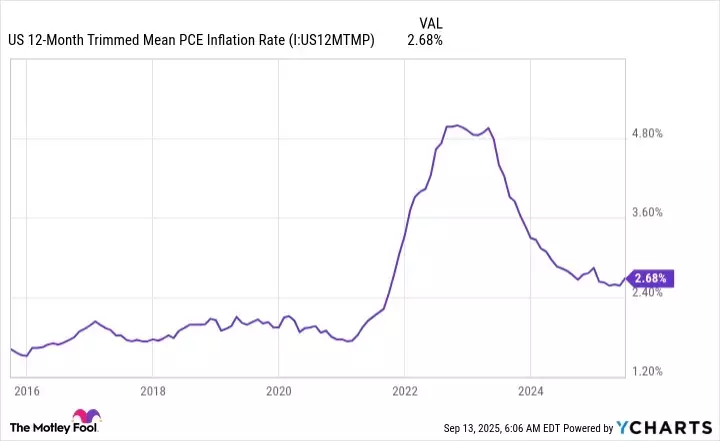

Social Security provides a crucial safety net for older adults, ensuring they have some financial support after their working years. However, recent trends, particularly the impact of inflation, highlight that these benefits alone are often insufficient to cover all retirement expenses. This evolving landscape underscores the importance of a multi-faceted approach to retirement planning, with personal savings playing an increasingly central role. As the financial burden shifts from employers to individuals, understanding the limitations of Social Security and actively planning for supplementary income streams becomes paramount for a secure post-employment life.
The Evolving Role of Social Security in Retirement Planning
Social Security functions as a fundamental safeguard, designed to prevent poverty among retirees. While it offers a consistent income stream, it is not intended to fund a lavish retirement lifestyle. A recent survey from The Nationwide Retirement Institute reveals that nearly half of all retirees have had to cut back on non-essential spending due to inflation's eroding effect on their purchasing power. This highlights a critical lesson: Social Security should be viewed as a foundational element, not the sole pillar, of one's financial security in retirement. The rising cost of living necessitates that retirees consider how their Social Security payments interact with their overall budget, often requiring adjustments to discretionary expenses like dining out and travel. Furthermore, a significant portion of retirees have resorted to drawing from their personal savings, such as bank accounts, 401(k)s, and IRAs, to bridge the gap between their income and expenses.
The traditional model of retirement funding, once heavily reliant on company-provided pensions, has largely given way to employee-driven savings plans like 401(k)s. While employers may offer matching contributions, the primary responsibility for accumulating sufficient retirement funds now rests with the individual. Tax-advantaged accounts like IRAs further incentivize personal saving. This shift emphasizes the need for proactive financial planning and disciplined saving throughout one's career. For those already in retirement struggling with expenses, making difficult choices about spending habits may be unavoidable. However, for individuals yet to retire, there is a valuable opportunity to build a robust financial future by saving diligently and consistently. Given widespread concerns about the long-term viability of Social Security, it is crucial for younger generations to internalize the message that comprehensive personal savings are indispensable for a comfortable retirement.
Building a Secure Retirement Beyond Public Benefits
While Social Security provides an essential income floor for seniors, its inherent design as a safety net means it cannot fully support a desired retirement lifestyle, especially in the face of economic pressures like inflation. Many retirees are discovering that the rising costs of daily necessities demand a more substantial financial buffer than Social Security alone can provide. This reality forces a re-evaluation of retirement budgets, leading to adjustments in spending on non-essential items. The necessity for many to tap into their personal savings underscores the importance of diversified income sources in retirement planning, moving beyond reliance on a single benefit system. Therefore, understanding Social Security's supportive, rather than comprehensive, role is crucial for realistic financial expectations in later life.
The landscape of retirement provision has evolved significantly, shifting from employer-guaranteed pensions to individual-centric savings vehicles like 401(k)s and Individual Retirement Accounts (IRAs). This transformation places a greater onus on individuals to actively manage and fund their retirement. These modern savings tools, often with tax advantages, are designed to encourage self-reliance in retirement planning. For those nearing or in retirement, it means that disciplined saving and strategic investment choices are more critical than ever. It also highlights the imperative for open discussions about financial preparedness among different generations, particularly to educate younger individuals about the importance of starting early and consistently contributing to their retirement funds. Recognizing that Social Security is just one piece of the retirement puzzle allows individuals to build a more resilient and comfortable financial future through robust personal savings and diversified investments.
