

On October 15, the Social Security Administration will unveil its cost-of-living adjustment (COLA) for 2026. Experts anticipate a notable increase, potentially marking a five-year run of COLAs exceeding 2.5%. However, this seemingly positive development is overshadowed by ongoing issues with the Social Security program's inflation measurement methods and a forecasted substantial rise in Medicare Part B premiums. Consequently, a considerable portion of retirees may still find their financial stability challenged, despite the boost to their benefits.
Anticipated Social Security Adjustments and Their Historical Context
The upcoming Social Security cost-of-living adjustment (COLA) for 2026 is poised to be a significant event for millions of beneficiaries. Forecasts suggest an increase that will mark a historical five-year period of adjustments exceeding 2.5%, a trend not witnessed in nearly three decades. This annual recalculation is designed to help retirees maintain their purchasing power in the face of inflation, providing a much-needed boost to their monthly income. For the 53.3 million retired workers who rely on Social Security for a substantial portion of their living expenses, this adjustment is crucial, yet its impact remains a subject of considerable debate due to underlying economic factors and structural challenges within the program itself.
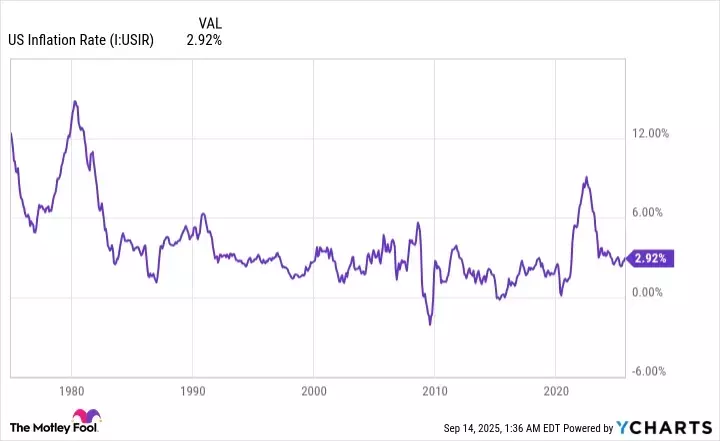
For the first time in nearly 30 years, Social Security beneficiaries are likely to see a five-year sequence of COLAs at or above 2.5%. Independent analyses from organizations like The Senior Citizens League and policy experts project increases between 2.7% and 2.8% for 2026, following several years of substantial adjustments. This anticipated raise translates to an estimated monthly increase of $54 to $56 for the average retired worker, and $43 to $44 for individuals with disabilities and survivor beneficiaries. Historically, before 1975, COLAs were infrequent and subject to congressional approval, with a system based on the Consumer Price Index for Urban Wage Earners and Clerical Workers (CPI-W) being implemented to provide more regular adjustments. However, despite this system ensuring more frequent raises, the effectiveness of these adjustments in truly safeguarding beneficiaries' purchasing power is increasingly questioned, particularly in the current economic climate.
The Dual Challenge: Flawed Inflation Metrics and Soaring Healthcare Costs
Despite the projected increase in Social Security benefits, a significant portion of retirees is likely to face continued financial strain due to inherent flaws in how the cost-of-living adjustment (COLA) is calculated and the anticipated sharp rise in Medicare Part B premiums. The current inflation metric, the CPI-W, does not accurately reflect the spending patterns of most senior citizens, leading to an erosion of their purchasing power over time. Furthermore, the substantial increase expected in Medicare Part B costs will likely negate much of the benefit from the COLA, leaving many retirees struggling to cover essential expenses and eroding their financial stability.
The CPI-W, which is used to determine Social Security's COLA, primarily tracks the spending habits of urban wage earners and clerical workers, a demographic that does not accurately represent the typical Social Security beneficiary, most of whom are aged 62 or older. This misalignment means that the index often underestimates the actual cost increases experienced by seniors, particularly in critical areas like shelter and medical care. According to analyses, the buying power of a Social Security dollar has significantly declined over the past decade and a half, with retirees effectively losing 20% of their purchasing power from 2010 to 2024. Compounding this issue is the projected 11.5% increase in Medicare Part B premiums for 2026, which is expected to rise to $206.20 per month. Since these premiums are often automatically deducted from Social Security checks, this substantial hike could largely, or even entirely, offset any gains from the COLA, leaving retirees in a perpetual struggle to keep pace with their rising living and healthcare expenses.
