
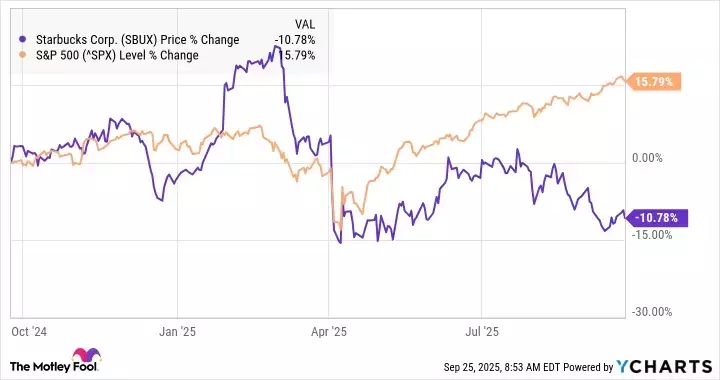
Starbucks' current leadership is actively steering the company through a significant transformation. Under the guidance of CEO Brian Niccol, who took the helm approximately one year ago, the coffee giant is implementing a strategy aimed at revitalizing its brand and financial performance. This comprehensive plan involves a strategic re-evaluation of its retail footprint, leading to the net closure of around 200 stores within the current year. Simultaneously, the company is undertaking a substantial reduction in its workforce, eliminating 900 non-retail positions to streamline operations and enhance efficiency. These bold moves are part of a broader effort to refocus the company on its core values and improve customer experience.
The \"Back to Starbucks\" initiative, as Niccol calls it, is not merely about closures and cuts; it's also a commitment to enhancing the physical and experiential aspects of its locations. Starbucks intends to renovate over 1,000 stores, incorporating design elements that foster a more inviting and comfortable atmosphere for patrons. This echoes a similar strategy employed by former CEO Howard Schultz in 2008, which proved instrumental in resetting the brand's direction and fostering future growth. However, the current landscape presents unique challenges, including increased competition from emerging coffee chains and a fluctuating economic climate that impacts consumer spending habits. Niccol remains optimistic, highlighting positive early results from store upgrades and improved labor allocation during peak hours, suggesting a gradual but steady path towards recovery.
Despite these strategic adjustments and the CEO's confidence, the company's financial performance has yet to fully reflect the desired turnaround, with same-store sales still experiencing declines. The journey towards consistent growth is anticipated to be a protracted one, requiring considerable patience from investors. The current valuation of Starbucks stock, with a price-to-earnings ratio exceeding 30, indicates that the market has already factored in expectations of a turnaround, making short-term significant gains less likely. Niccol has voiced aspirations for 2026, envisioning a wave of innovation that will drive growth and elevate customer service, reaffirming the long-term vision despite present challenges.
In navigating the complexities of a dynamic market and evolving consumer preferences, Starbucks' proactive measures to streamline operations, enhance customer experience, and innovate reflect a commitment to resilience and adaptation. The journey ahead may demand steadfastness and vision, but the company's efforts to realign with its foundational principles and embrace strategic change lay the groundwork for a future where quality and customer connection continue to define its success.
