
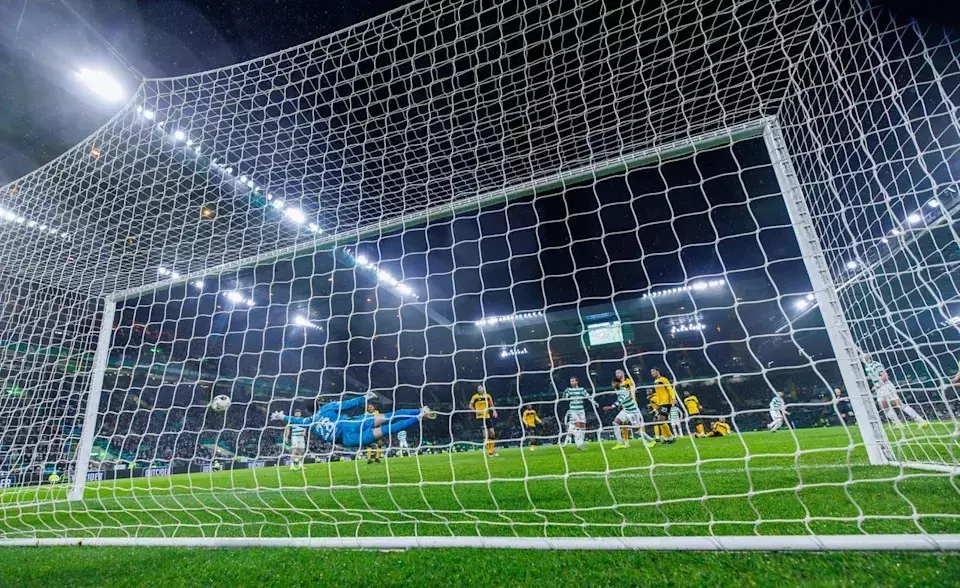
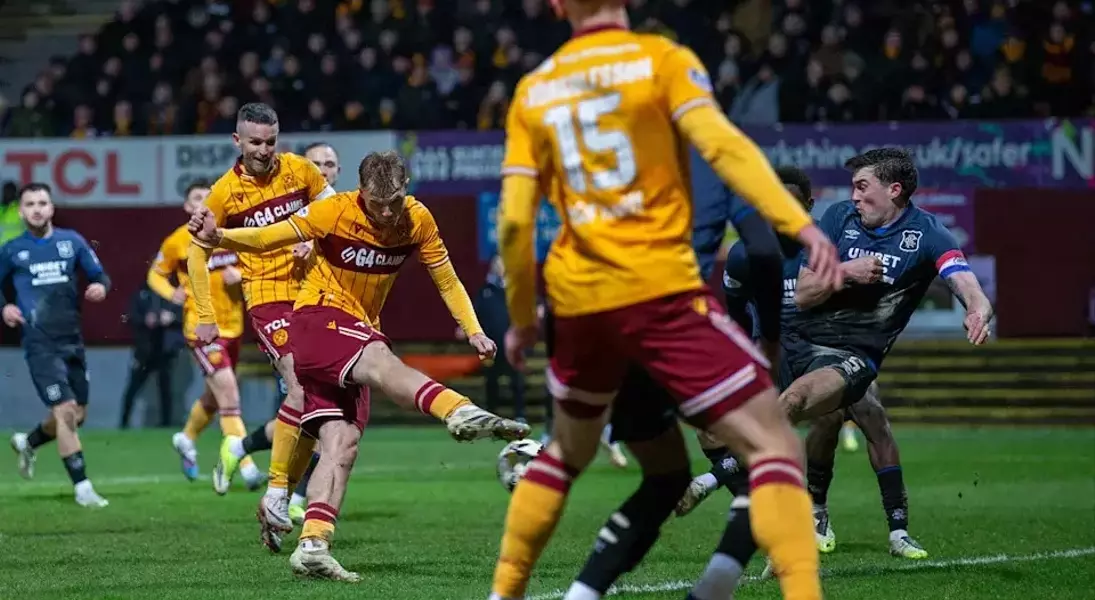
Former Celtic manager Gordon Strachan recently provided an in-depth look into the club's memorable 2008 Scottish Premiership title victory, a season marked by an extraordinary comeback against arch-rivals Rangers. He shared his unique insights into the mental fortitude required from his squad, the emotional rollercoaster they experienced, and the pivotal tactical choices that ultimately secured the championship. Strachan also offered his analysis of the ongoing title race, underscoring the win-at-all-costs mentality prevalent in Scottish football. He delved into the current form and psychological momentum of leading contenders, including Rangers and Hearts, and revealed his most impactful player acquisitions during his time at Celtic, offering a glimpse into his philosophy on team construction and talent identification.
Strachan's reflections extend beyond historical triumphs to the contemporary landscape of Scottish football. He emphasizes that for clubs like Celtic, the sole objective is victory, with performance analysis often taking a backseat to securing three points. This perspective sheds light on the intense pressure managers and players face in a league where winning is paramount. His insights into the present title race highlight the unpredictable nature of the competition, where momentum can shift rapidly, and strategic decisions off the field can be just as crucial as those on it.
The Unforgettable 2008 Title Comeback
Gordon Strachan recounted the incredible journey of Celtic's 2008 title win, a period he describes as "extraordinary." With eight games remaining, his team trailed Rangers by seven points, a gap that typically spells the end of a title challenge in a league primarily contested by these two giants. Strachan emphasized that this formidable comeback necessitated exceptional performances, particularly in two crucial home matches against Rangers within a two-week span. He highlighted the immense pressure on his players, knowing that even a single draw for Rangers would have sealed their fate. The ability of his squad to deliver under such intense scrutiny, showcasing phenomenal football, was a testament to their mental strength and resilience. Strachan specifically praised key players like Nakamura, Samaras, and McGeady for their offensive prowess, but also acknowledged the bravery and defensive solidity provided by players such as Caldwell and McManus. He also detailed how he deliberately redirected the team's frustrations from external media noise towards self-improvement, transforming anger into a powerful motivator. This internal focus, coupled with a reframed fear of losing, allowed the team to channel their energy effectively and refocus on winning games, ultimately proving the media's influence to be negligible.
The 2008 campaign was further complicated by profound emotional challenges, most notably the passing of assistant coach Tommy Burns from cancer. Burns, a beloved figure at Celtic, became a powerful symbol for the team. Strachan revealed that the final match of the season, which secured the title at Tannadice, was largely dedicated to winning for Burns, a sentiment deeply felt by the entire club. This emotional backdrop added another layer of complexity and motivation to an already dramatic title race. Strachan described the confluence of mental strength, anger, despondency, and every conceivable emotion within the squad, creating a situation unlike anything he had ever encountered in his career. He believes that only those directly involved could truly grasp the unique and extraordinary circumstances that led to Celtic's improbable triumph. This period underscored the profound human element within professional sports, where personal loss and collective ambition intertwined to forge an unforgettable victory.
Current Title Race Dynamics and Key Signings
Turning to the present, Gordon Strachan observed that the current momentum in the Scottish Premiership title race firmly lies with Rangers. He noted their increased resilience, describing them as "very hard to beat," even if their victories aren't always spectacular. Strachan highlighted that this newfound confidence has instilled a belief within the Rangers squad that they can win every match, a significant shift from their mindset six months prior. He acknowledged that while no opponent is "genuinely scared" of Rangers in the way they might have been in their heyday, there is a clear wariness, with teams recognizing that they must perform exceptionally well to secure a win against them. Strachan suggests that Rangers' success is less about a complex tactical system and more about manager Danny Rohl effectively deploying his best players. He emphasized the importance of tailoring a system to suit the star players, referencing the example of Uruguay's national team accommodating Luis Suarez and Edinson Cavani. Strachan, having consulted with Barry Bannan, expressed early concerns about Rohl's potential impact on Celtic, recognizing Rohl's coaching acumen and commanding presence in interviews as key factors in motivating his squad.
Strachan also weighed in on the critical upcoming match between Rangers and Hearts, acknowledging its significant implications for Celtic. He expressed genuine admiration for Hearts' performance this season, suggesting they could even win the league if they continue their impressive form, having already defeated both Rangers and Celtic twice. However, he cautioned that injuries to key players like Lawrence Shankland and Cammy Devlin could pose a challenge for Hearts. Despite these potential setbacks, Strachan noted Hearts' self-belief, even suggesting they felt they should have beaten Celtic regardless of player availability. He expressed a desire to see the league remain tightly contested in the final five games, envisioning a "fantastic mayhem" if the top three teams are within three points of each other. Ultimately, Strachan believes a draw in the Rangers vs. Hearts match would be the most favorable outcome for Celtic, as it would limit the points gained by their rivals. He concluded by reiterating his top three signings at Celtic: the technically brilliant Shunsuke Nakamura, and two free transfers, Paul Telfer and Gary Caldwell, who brought professionalism, fitness standards, and tactical flexibility to the team, highlighting the diverse qualities he valued in his players.
