The YIMBY movement, dedicated to fostering housing abundance and affordability, navigates a complex landscape marked by both staunch opposition and critical successes. Former President Trump's declaration to elevate, rather than diminish, housing values for existing owners underscored a prevalent sentiment among a significant portion of the electorate, highlighting the tension between safeguarding homeowner wealth and expanding housing access for others. This inherent conflict, coupled with the formidable political influence of homeowners—who are often more civically engaged and resistant to neighborhood changes—presents a persistent challenge for advocates of new development. Despite these obstacles, there's a growing recognition among policymakers and a shift in some areas towards state-level interventions to circumvent local resistance, indicating a fragile but emerging momentum for the YIMBY agenda. The experiences of cities like Austin demonstrate that increased supply can lead to price corrections, sparking debate on whether such outcomes represent overbuilding or a successful step towards greater affordability.
Furthermore, the spread of NIMBYism from traditional coastal strongholds to previously development-friendly Sunbelt regions indicates a broadening resistance, often fueled by concerns over increased traffic, crowded infrastructure, and the perceived disruption of community character. This evolving dynamic forces the YIMBY movement to adapt its strategies, focusing on politically viable avenues such as promoting accessory dwelling units (ADUs) and concentrating multi-family housing in urban cores near public transit. While these approaches offer practical pathways for incremental growth and can garner homeowner support through financial incentives, they also confront the deeper issues of economic and racial segregation if not thoughtfully implemented. The ongoing discourse underscores that achieving widespread housing affordability requires not only overcoming political inertia and local opposition but also addressing the structural inequalities that perpetuate housing crises, potentially through extensive government subsidies for vulnerable populations and streamlined permitting processes for all types of housing development.
The Political Battleground of Housing Development
The quest for housing affordability through the YIMBY movement confronts a deeply entrenched political reality. The core objective of increasing housing supply to lower costs directly clashes with the vested interests of many existing homeowners, who view their property as a primary asset and prefer appreciating values. This sentiment was notably articulated by former President Trump, who openly favored policies that would drive up home prices for current owners. Such political rhetoric resonates with a powerful voting bloc: homeowners, who constitute a majority of American households and are typically more engaged in local governance than renters. This engagement often translates into opposition to new developments, particularly those perceived to alter neighborhood character or decrease property values. Katherine Levine Einstein, a political scientist, emphasizes how current land-use regulations empower these groups, enabling them to delay or block projects, thereby creating a systemic bias against expanded housing.
This political dynamic is further complicated by the demographic profile of those most active in local planning meetings. Research indicates that participants are often older, less likely to be working full-time, and more resistant to change, effectively giving a disproportionate voice to NIMBY (Not In My Backyard) perspectives. These individuals possess the time and political will to influence decisions, leading to a system that prioritizes maintaining existing neighborhood aesthetics and property values over addressing broader housing crises. The inherent conflict between individual homeowner wealth and collective housing affordability makes the YIMBY movement's political fight an uphill battle. Efforts to circumvent this local resistance through state-level mandates, as seen in California and Massachusetts, often face backlash from communities arguing for local self-determination, highlighting the struggle to balance democratic principles with the urgent need for more accessible housing options across diverse demographics.
Shifting Landscapes of NIMBYism and YIMBY Success Stories
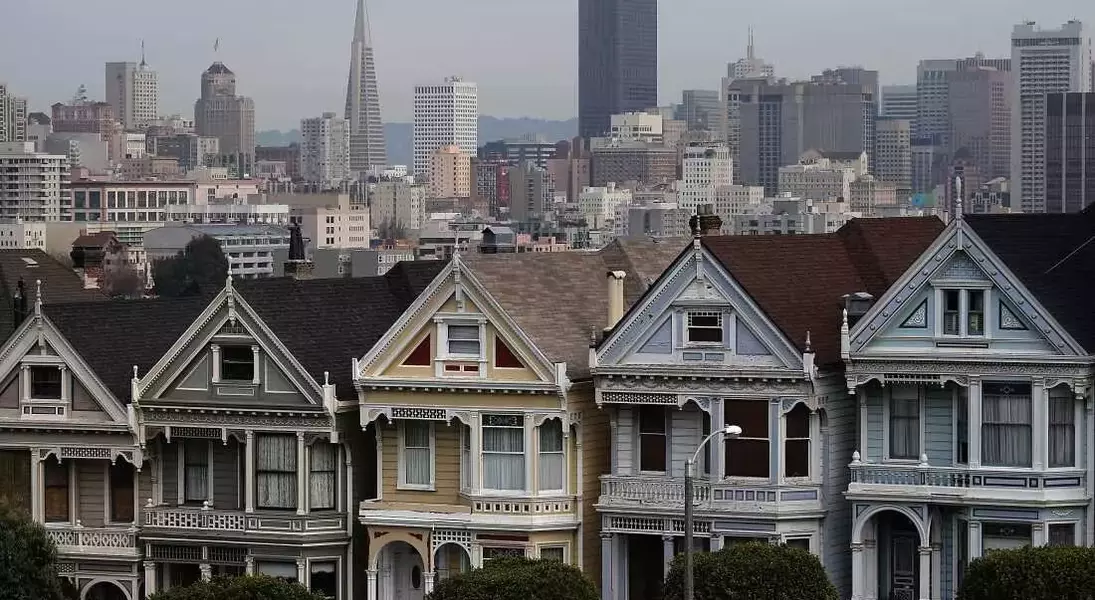
Historically, the resistance to new housing development, commonly known as NIMBYism, was predominantly associated with established coastal metropolitan areas. These regions, including parts of California, New York, and Massachusetts, deliberately limited construction despite soaring demand, leading to acute affordability crises and significant wealth accumulation for existing property owners. In contrast, Sunbelt cities in states like Texas and Florida traditionally embraced growth, experiencing rapid population increases alongside more moderate housing price appreciation. However, recent analyses by economists like Ed Glaeser and Joseph Gyourko indicate a concerning trend: NIMBY tendencies are metastasizing, with many formerly growth-friendly Sunbelt markets now exhibiting similar patterns of development restriction and subsequent price hikes. This shift suggests a broader societal resistance to urban expansion, potentially driven by concerns over infrastructure strain, environmental impact, or simply a desire to preserve perceived community tranquility.
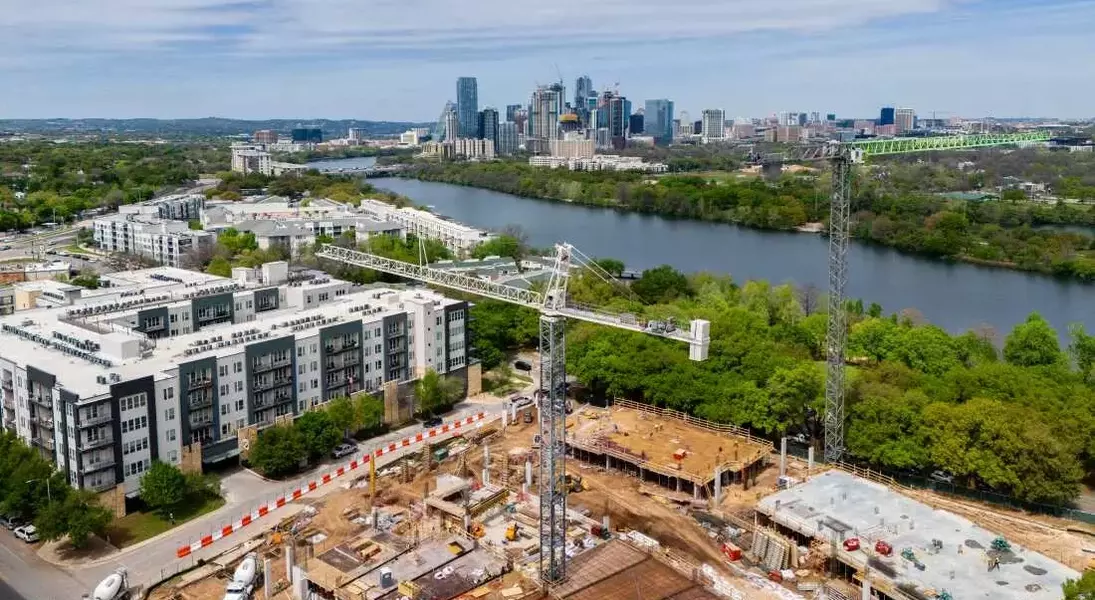
Amidst this spreading NIMBY sentiment, cities like Austin and Nashville stand out as notable exceptions, offering a glimmer of hope for the YIMBY movement. These cities adopted more permissive development policies, leading to a significant increase in housing supply that, in Austin's case, has even outstripped demand, resulting in a recent dip in home values. While some view this as "overbuilding," others, including Einstein, hail it as a success, arguing that it represents a necessary market correction towards greater affordability. This highlights a crucial debate within housing policy: is the goal to prevent any decline in property values, or to prioritize housing accessibility for a wider range of residents? The experiences of Austin and Nashville provide empirical evidence that aggressive building can impact affordability, even if the long-term goal for many YIMBYs in high-demand areas like the Bay Area is merely to slow the rate of price increases rather than dramatically lower existing values. These examples illustrate the complex interplay between local politics, economic realities, and the potential for housing development to reshape urban landscapes and address pressing affordability challenges.
