A compelling narrative underscores the significance of Zohran Mamdani's political movement, uniting artists and cultural professionals in a powerful display of collective action.
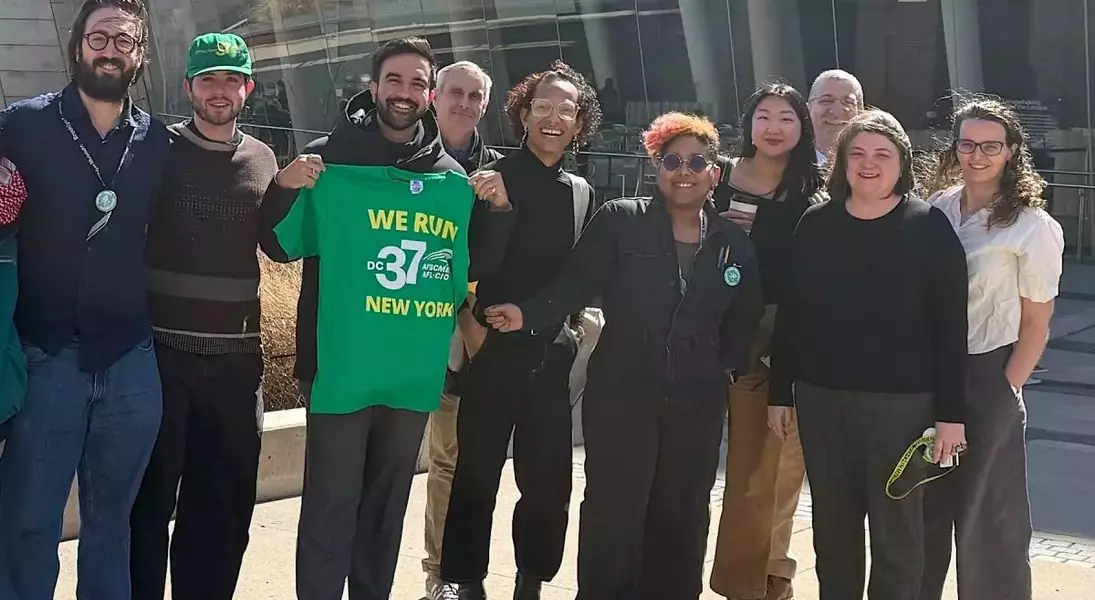
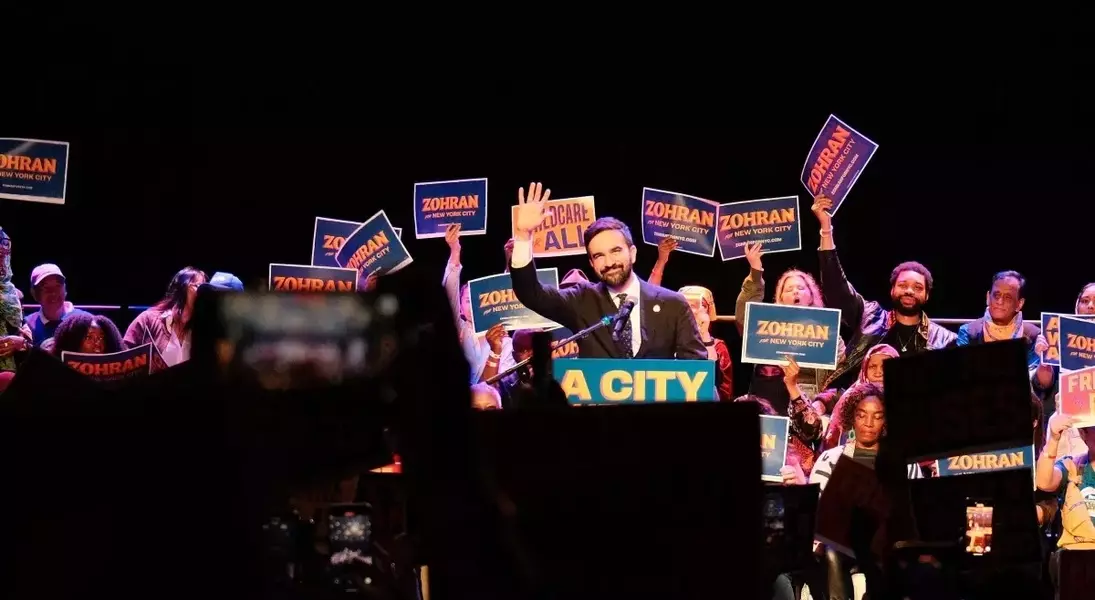
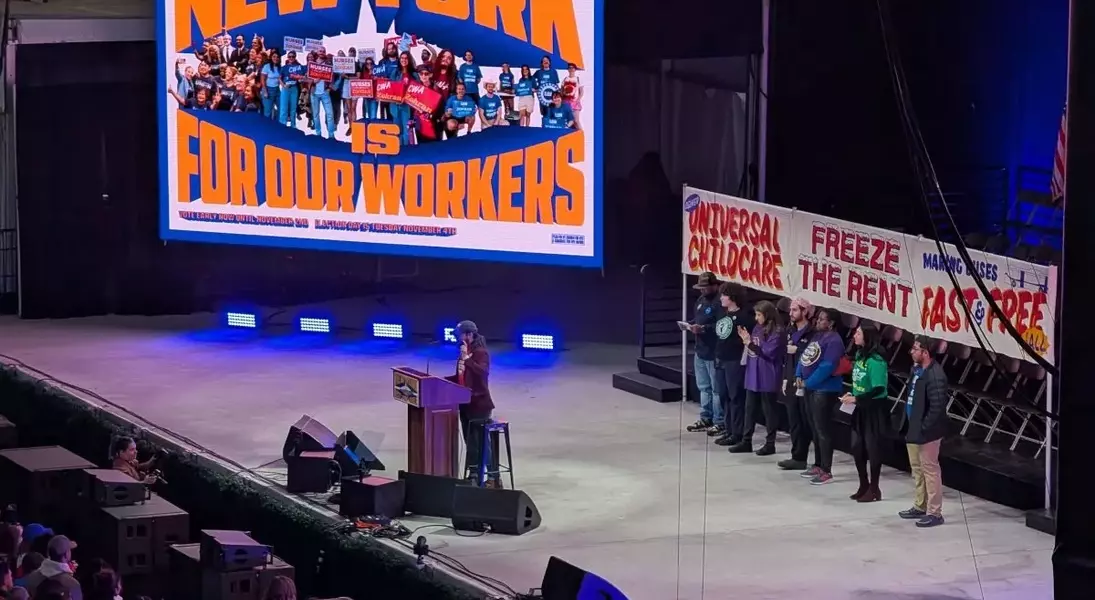
Last week, I addressed a substantial gathering of 13,000 Zohran Mamdani supporters at Forest Hills Stadium, sharing the experience of how museum staff within my union successfully resisted a series of planned dismissals. The enthusiastic response from the artists and cultural workers present confirmed the profound impact of this campaign as a crucial assembly for creatives in our current era. This movement, if consistently organized, can serve as a foundational model for future initiatives, beginning with the election of Zohran Mamdani and progressing towards establishing a New York where living expenses are manageable for everyone. This endeavor is already underway, bolstered by 90,000 volunteers and the backing of unions such as District Council 37, which advocates for 150,000 city employees, including museum staff. The movement's continued growth relies on acknowledging artistic endeavors as legitimate labor and recognizing most art workers as members of the working class, often precariously close to financial hardship. Through organized efforts, including unionization, we can amass the influence necessary to shape governance, ensuring that individuals can cover their living costs and sustain themselves.
The current state of philanthropy is clearly inadequate, with funding processes often proving burdensome and inaccessible for arts organizations. The philanthropic model is fundamentally flawed, as evidenced by the challenging grant application process that often yields insufficient results for arts institutions. Funding professionals in the arts sector relentlessly pursue financial support, which has become increasingly scarce due to the unpredictable nature of financial markets. Consequently, institutional leaders and governing boards, often detached from the realities faced by art workers, resort to reducing educators' hours or compromising safety measures for art handlers. These cuts continue until working conditions become intolerable, frequently to protect executive salaries—which are often substantially higher than those of their employees—or to safeguard the interests of dwindling donors. Instead of addressing the systemic underfunding of museums and cultural organizations, which stems from inadequate taxation of the wealthy, these institutions often hire external consultants to implement cost-cutting measures, sometimes leading to staff layoffs and increased expenditure on anti-union legal services. This approach undermines the very mission of these organizations, transforming them into entities that prioritize financial solvency over public benefit. The allocation of city funds further highlights this imbalance; while a significant sum of $15 million over five years is committed to a Manhattan heliport, only $300,000 over three years is guaranteed to small arts organizations. Moreover, the expenditure of $955 million on police overtime in a single year represents a political decision that diverts resources equivalent to funding multiple major art institutions or hundreds of smaller creative initiatives. These stark financial disparities underscore a fundamental choice that prioritizes certain sectors over the arts, limiting the potential for artistic innovation and community engagement. Imagine the transformative work we could accomplish in the arts if we were not constantly engaged in the arduous and often disheartening process of soliciting funds.
Strengthening democratic principles at a smaller scale, particularly within professional environments, is essential for a thriving society. This involves employers willingly recognizing their employees' unions, fostering environments where workers' rights and dignity are upheld. The current political climate can be partly attributed to a historical decline in labor influence and the proliferation of anti-worker legislation. Paradoxically, even ostensibly progressive organizations and institutions have contributed to this issue. When these entities spend millions on consultants who advise layoffs to save costs, or on anti-union lawyers, rather than investing in fair compensation for their staff, they compromise their core values. Historian Gabriel Winant observed after the 2024 presidential election that even liberal corporations, media, and universities—institutions that publicly denounce certain political agendas—have, without overt coercion, begun to implement aspects of those very agendas on a smaller scale. If we undermine democratic governance within our own workplaces, we cannot reasonably expect it to flourish in broader society. Stripping individuals of their dignity in their professional lives inevitably diminishes their political empowerment in other spheres. A mayoral candidate who champions workers' rights, engaging directly with laid-off individuals, participating in hunger strikes with taxi drivers, and consistently demonstrating solidarity on picket lines, embodies the ally needed in public office. Zohran Mamdani’s campaign has already garnered support from a diverse coalition of artists, creatives, and art workers, who collectively possess the power to mobilize and revitalize our democracy, thereby securing a brighter future for all. We are prepared to contribute our efforts to this vital cause.