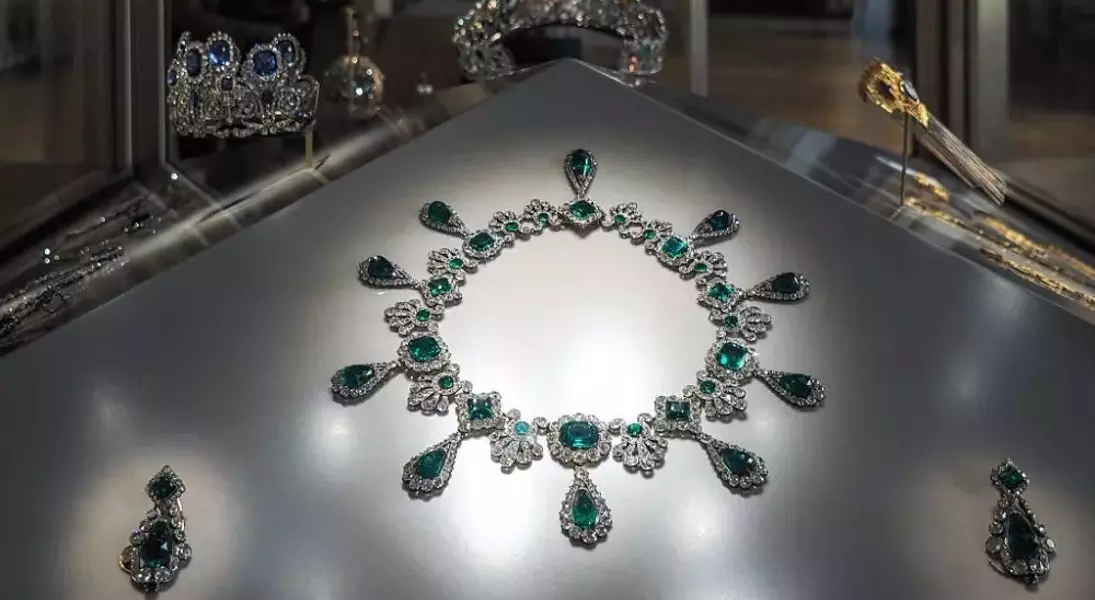
The recent jewel theft at the Louvre Museum has captivated public attention, not only due to its audacious nature but also as new information emerges about the alleged perpetrators. A relative of one of the suspects has offered a rare glimpse into the individual's life, portraying them as an ordinary person facing financial difficulties. This narrative adds a human element to a crime that has otherwise been dominated by discussions of art security and criminal enterprise. The ongoing investigation continues to piece together the events of the heist, the motivations behind it, and the identities of all involved, highlighting the complex socio-economic factors that can sometimes underpin such dramatic acts.
The Louvre, a symbol of French cultural heritage, found itself at the center of a major security breach when precious jewels were stolen. This incident has sparked a national conversation about museum security, the value of cultural artifacts, and the broader implications of such losses. As the investigation progresses, the focus remains on recovering the missing items and bringing all responsible parties to justice, while also prompting a reevaluation of protective measures for invaluable art and historical collections worldwide. The heist serves as a stark reminder of the persistent challenges faced by institutions safeguarding global treasures.
A Relative's Perspective: Unveiling the Suspect's Background
In a recent interview, a family member of one of the suspected individuals involved in the audacious Louvre Museum jewel theft provided a poignant personal account, depicting the suspect as someone grappling with the everyday struggles of life. This relative, identified as Mehdy, described his cousin as an ordinary person who engaged in modest jobs, such as selling fruit, striving to support a family. This portrayal offers a stark contrast to the image of a cunning criminal mastermind often associated with such high-profile art crimes, suggesting that the motivations behind the theft might be rooted in economic hardship rather than a desire for infamy or a sophisticated criminal network. The interview underscores the human dimension of the incident, prompting questions about the socio-economic conditions that might drive individuals to participate in such illicit activities.
Mehdy's testimony paints a picture of a suspect who was not part of a grand criminal enterprise but rather an individual facing personal and financial challenges. His cousin, according to Mehdy, was simply "trying to get by" and had children to care for. This personal narrative has added a layer of complexity to the public's understanding of the heist, moving beyond the sensational headlines to explore the potential underlying factors influencing the alleged perpetrators. The revelation that the suspects hailed from Seine-Saint-Denis, a Parisian suburb, further emphasizes the local and potentially desperate circumstances surrounding the crime. As the investigation continues, these insights into the suspects' backgrounds could offer a more nuanced perspective on the motivations behind this significant cultural theft, challenging preconceived notions about art criminals.
The Louvre Heist: A Daring Daylight Robbery and Its Aftermath
The Louvre Museum heist unfolded on a Sunday morning, around 9:30 a.m., when thieves executed a meticulously planned operation, using a cherry picker and an angle grinder to breach the Apollo Gallery. Within a mere eight minutes, they managed to abscond with nine pieces of jewelry, collectively valued at an estimated $102 million. This brazen act, caught on CCTV footage, showed the culprits descending from a gallery window before making their escape on scooters. The swiftness and precision of the operation highlighted significant vulnerabilities in the museum's security systems, despite alarms being triggered during the incident. One notable success in the immediate aftermath was the recovery of Empress Eugénie's crown, found outside the museum, though the remaining eight artifacts continue to be missing, underscoring the ongoing challenge for law enforcement and museum officials.
Following the shocking theft, Louvre Museum director Laurence des Cars acknowledged in a hearing with the French senate that the museum's security infrastructure was "very inadequate" and "outdated." This admission has spurred a reevaluation of the museum's protective measures, leading to the implementation of emergency security protocols. However, the comprehensive upgrades recommended by a French national audit are not anticipated to be fully realized until 2032, indicating a long road ahead for improving the security of such a monumental institution. The heist has not only inflicted a significant financial loss but has also wounded French national pride, with many, including the suspect's cousin Mehdy, expressing a deep sense of betrayal and anger over the violation of their cultural heritage. The incident continues to resonate as a stark reminder of the need for continuous vigilance and investment in safeguarding invaluable cultural treasures against determined criminals.