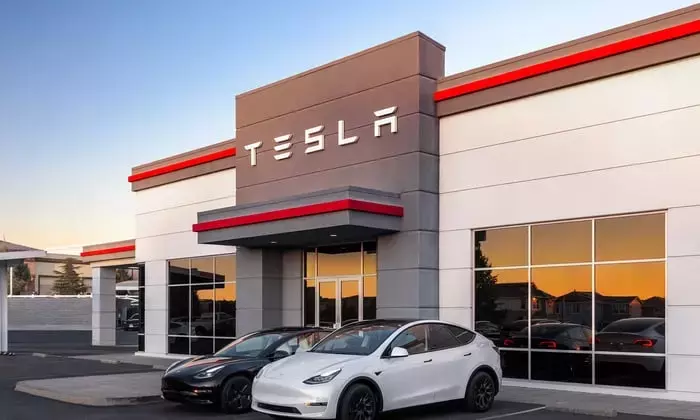
Tesla recently announced its third-quarter delivery figures, which far surpassed the projections of Wall Street analysts. The electric vehicle giant recorded nearly 497,100 deliveries, significantly outperforming the estimated 447,600 units. This impressive surge, however, did not translate into an immediate stock rally, as shares saw a slight decline following the announcement. This paradoxical market reaction prompts a deeper investigation into the factors influencing Tesla's performance and investor sentiment.
A major catalyst for the boosted third-quarter deliveries was the impending expiration of a $7,500 electric vehicle tax credit on September 30. Consumers, anticipating an increase in vehicle costs, accelerated their purchases to take advantage of the credit before it was rescinded. This created an artificial demand spike, leading to a 35% year-over-year increase in U.S. sales for the quarter, as noted by Gene Munster of Deepwater Asset Management. While some analysts, like Morgan Stanley's, viewed these deliveries positively, others, including Munster, cautioned against overinterpreting the figures, suggesting they were largely a result of a one-time event rather than sustained organic growth. Despite this, Wedbush Securities analyst Dan Ives remained bullish, highlighting the potential of Tesla's autonomous vehicles and humanoid robotics businesses to propel its market capitalization to new heights.
The current market sentiment surrounding Tesla reflects a sharp division between optimists and skeptics. Bulls champion Tesla as a pioneering AI company, emphasizing its innovations in autonomous driving and robotics. Conversely, bears point to its high valuation, with a forward earnings multiple of nearly 250, and question the sustainability of its growth. The future trajectory of Tesla's stock, trading around $440 per share, largely hinges on the success of its ambitious ventures into robotaxis and humanoid robots. While pilot autonomous driving programs are underway and show promise for cost-effective vehicle production compared to rivals, the widespread commercialization and safety validation of these technologies remain uncertain. For some investors, the perceived risk-reward balance, especially for a company already boasting a trillion-dollar market cap, makes the stock less appealing, as the anticipated upside may not adequately compensate for the significant uncertainties ahead.
In the dynamic landscape of technological innovation and market speculation, Tesla stands as a prominent example of a company whose future value is deeply intertwined with its capacity to transform aspirational projects into tangible successes. The journey ahead will undoubtedly test its innovation, execution, and ability to navigate a complex and evolving competitive environment. Ultimately, the company's long-term success will be defined not just by impressive delivery numbers, but by its ability to consistently deliver on its most ambitious promises and uphold a forward-thinking vision that continues to inspire and redefine the automotive and AI industries.
